Product Overview
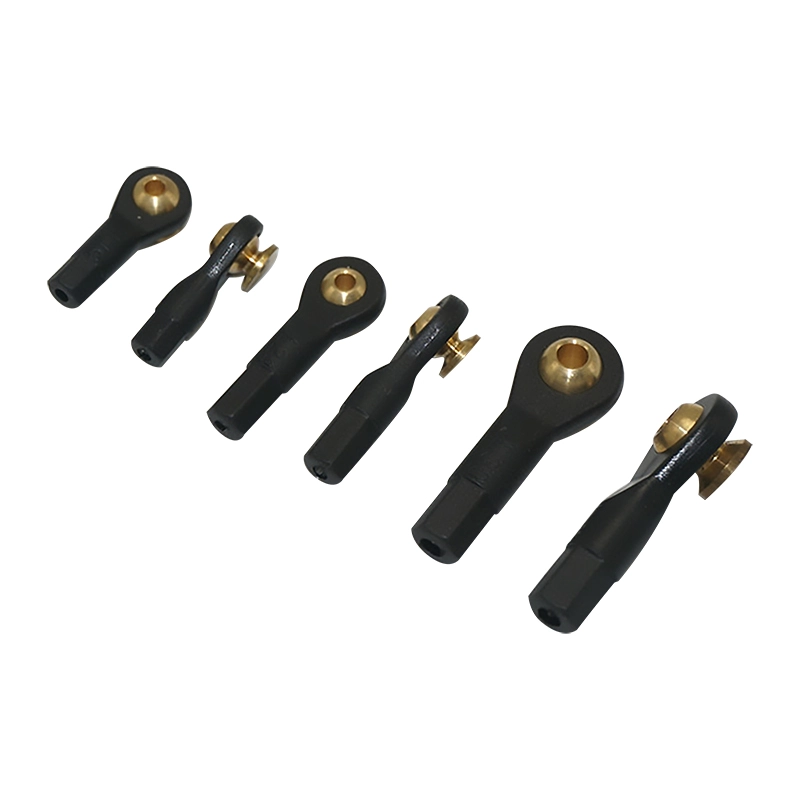
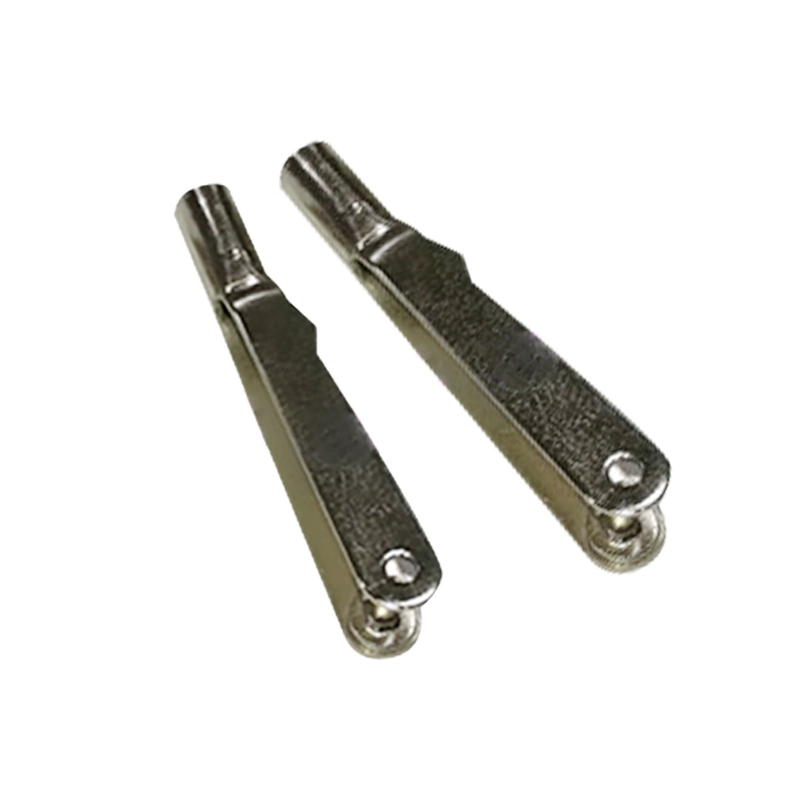
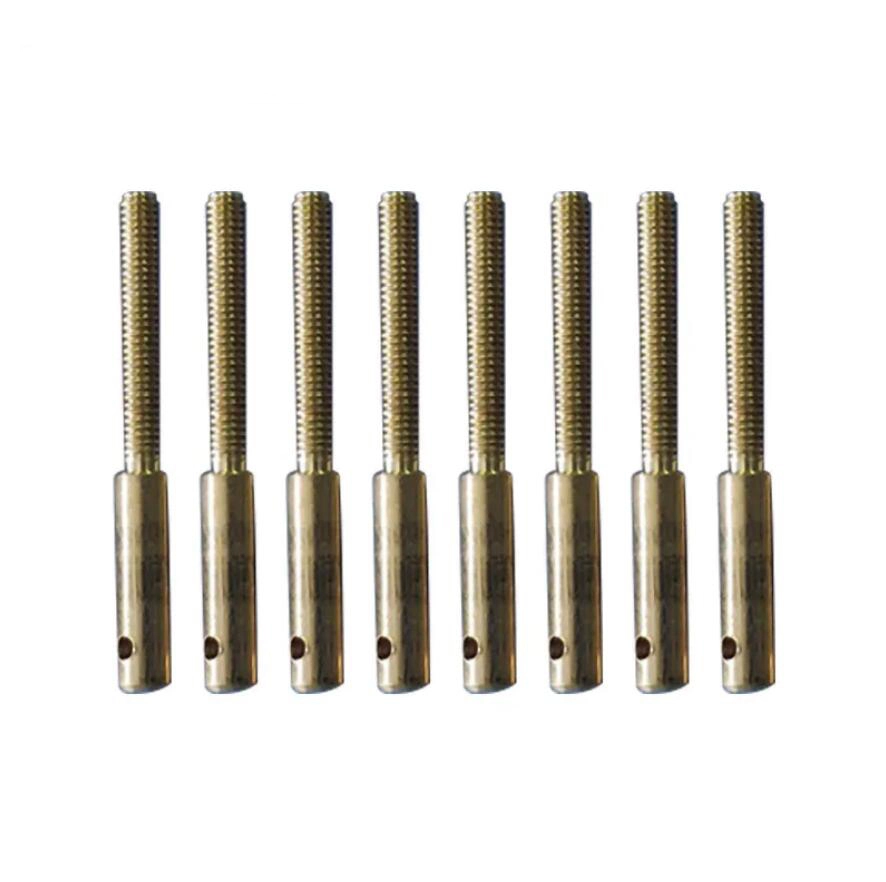
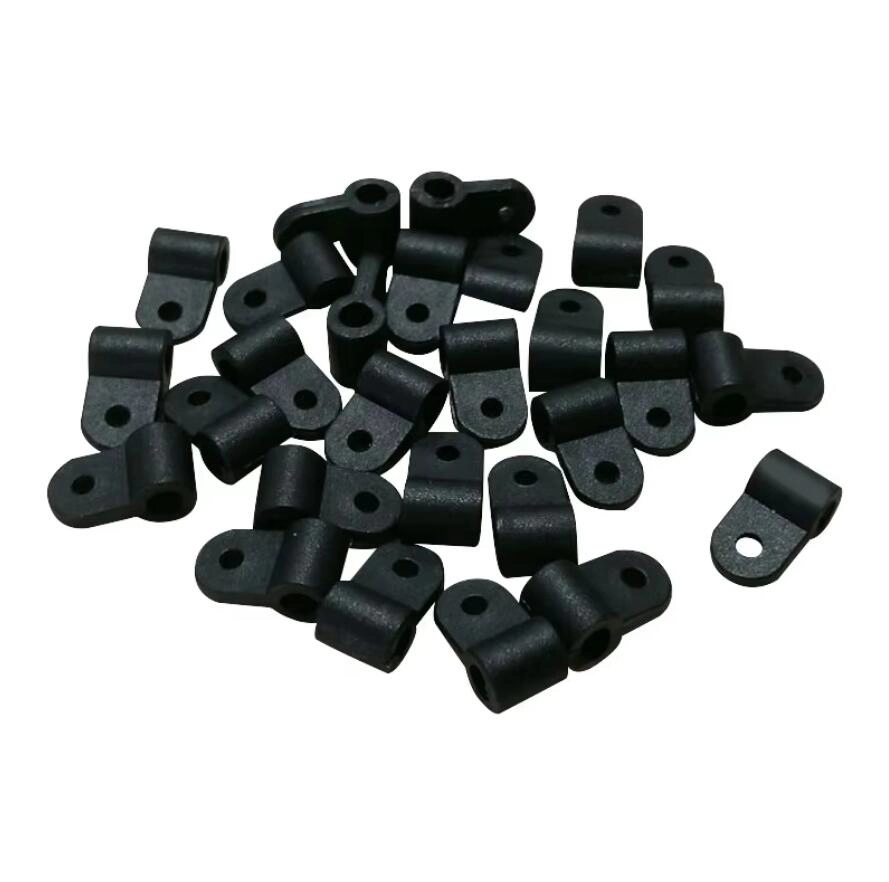
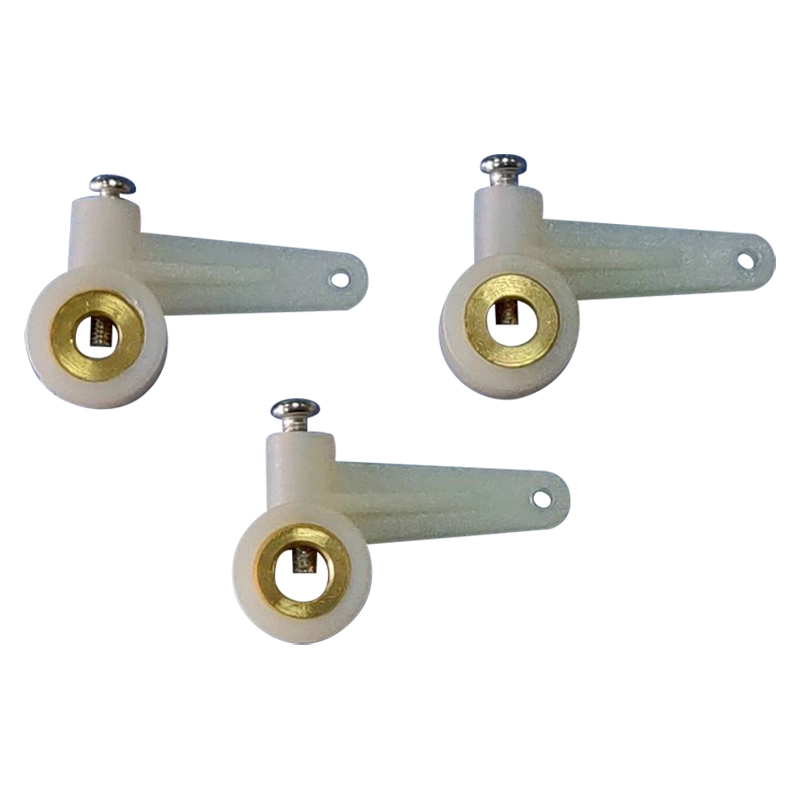
A control horn is the small plate that turns servo travel into aileron, elevator or rudder movement. This pack gives you ten of them, each bagged with the linkage hardware it needs — a ball, a screw, a nut and a clevis — so a build or a repair does not stall while you hunt for the one fitting that is missing from the drawer.
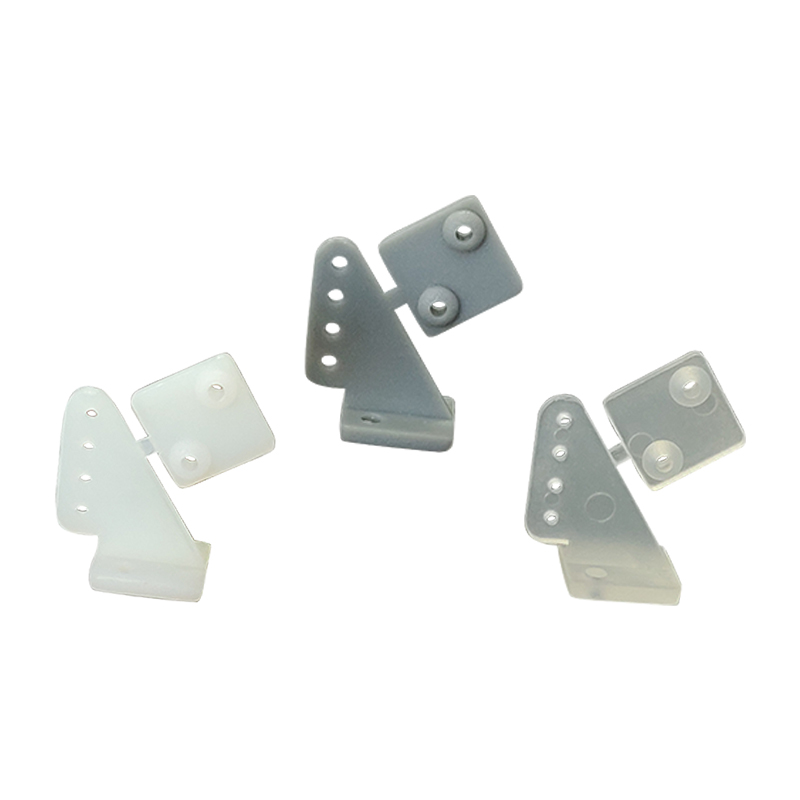
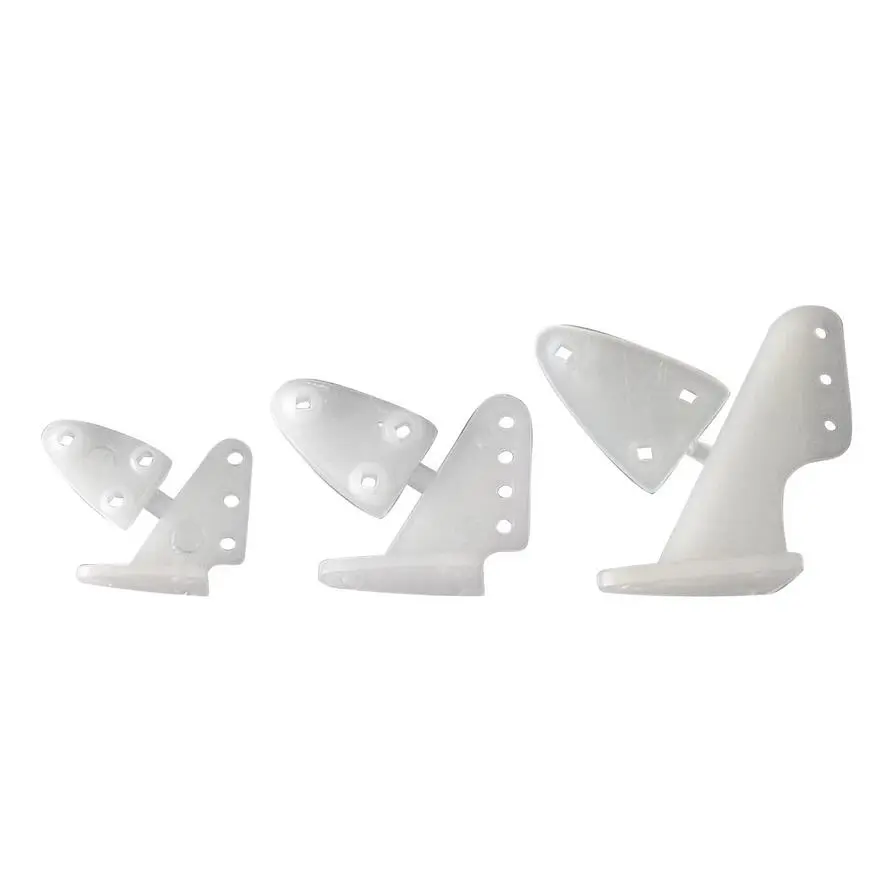
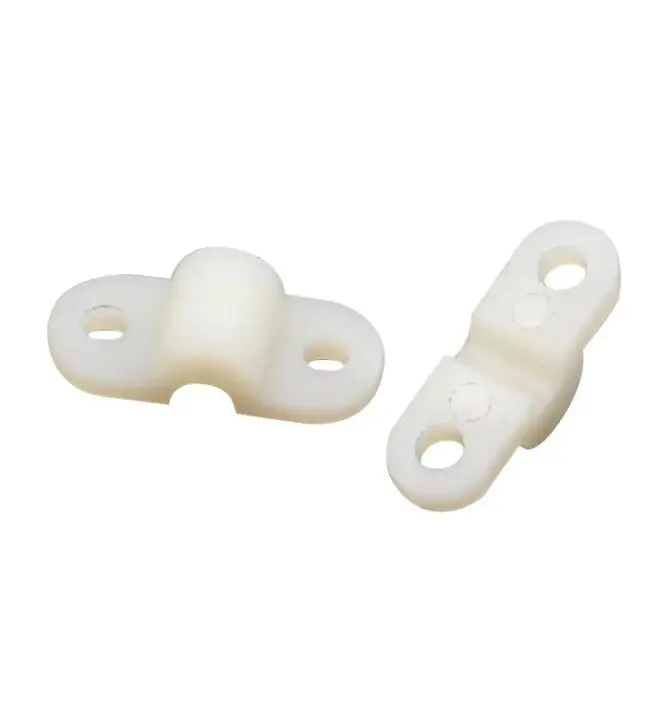
Two plate sizes are offered: a compact horn for smaller surfaces and a larger one for models with bigger control areas. Both are moulded in nylon and both use the same fittings, so a spares box only needs one set of hardware.
The set is aimed at people who build and fly foam and electric fixed-wing models. If you buy RC control horns because a linkage has worn out, a fresh nylon control horn restores the geometry without touching the servo, the pushrod or the trim you spent an afternoon setting. Builders starting from scratch can fit out a whole airframe and still have pieces left over. Club benches and small repair shops tend to keep a pack alongside their other foam model replacement parts, because horns and clevises are the items that ground a model after a rough landing.
Whether the model is a foam trainer or a larger scale build, the horns are made to fixed dimensions, so replacing one does not change how the aircraft feels in the air.
Material & Build
Nylon is the reason these plates stay light without feeling fragile. It is tough for its weight and gives a little under load instead of cracking the way a brittle plastic can — a horn that flexes and springs back keeps its holes round, and round holes are what keep a linkage tight over a season of flying. Each plate is moulded as a single piece, so the mounting holes, the pushrod positions and the base share the same shape and thickness from one horn to the next. That consistency is what makes a box of nylon control horns for sale worth keeping: a replacement lines up exactly where the old one sat. The metal parts are separate and standard. Because the screw, nut, clevis and ball are individual components, a stripped thread or a bent clevis pin does not write off the plate — you change the part that failed and keep the horn. Nylon also ignores the things that shorten the life of metal fittings. It does not corrode, it does not mind damp grass or a cold morning at the field, and it wipes clean after a session without any special care. The nylon construction keeps the horns strong under load without adding unnecessary weight. The two sizes and standardized dimensions help the horns work across different model types. What a flyer notices first is the absence of slop. A tight horn with a snug clevis or a seated ball removes the small free play that shows up as vague centring and a model that will not hold a trim setting. The second thing is consistency. Ten pieces made to the same figures mean every surface responds the same way, and matched throws are what let a bench trim survive the first flight. That matters most on a model with four servos driving four surfaces, where one loose horn can make the aircraft feel different from one wing to the other. Installation is a screwdriver job — screw through the horn, nut behind, clevis or ball clipped on, pushrod adjusted. Nothing needs machining and no special tool is involved, so a horn can be changed at the field between flights. Nylon resists the fatigue that builds up under repeated loading. The plate keeps its shape, the holes stay round, and control surface precision does not quietly drift away over a season, so the RC airplane control horn stays as crisp as it was on the first flight.
Size & Fitting Guide
- Small plate: a good fit for compact foam trainers and smaller ailerons, elevators and rudders, where a tall horn would look out of scale or catch on the ground on landing.
- Large plate: the longer lever and wider hole spacing suit bigger control surfaces and models flown with larger throws.
- Match the hole centres, not the outline: the two plates are drilled to different hole-to-hole spacings, so compare that figure with your existing horn rather than judging by the outline. If the pushrod ends up at a different height after the swap, the linkage geometry changes with it.
- Two sizes cover most airframes: control horns RC plane builders fit most often sit close to one of these two plate sizes, so measure before assuming yours is unusual.
- Check the pin or rod diameter: every horn is set up for M2 threaded rod or a matching clevis pin, so confirm the linkage you already have before fitting.
- Look at the mounting face: the plate needs a flat patch of foam or balsa wide enough to sit flush; a curved or thin section will pull the horn off square.
- Count your surfaces: one horn per surface is normal, so a ten-piece pack covers a full airframe with spares left for repairs.
- Trust the figures over the photo: pictures are not to scale, and because each part is hand-measured, work from the listed size rather than the image.
- Compare on the numbers: when you line up RC control horns for sale, the two figures that decide the fit are plate length and hole-to-hole spacing, not how tall the horn looks in a picture.
Design & Compatibility
The plate is a simple triangle for a reason: it puts two pushrod positions on a straight line away from the mounting screw, so the linkage can sit at a different height above the surface without changing the servo arm. On the small horn the two positions sit close to the base; on the large one they spread further apart, which is what gives a bigger surface more leverage.
Both sizes share the same hole diameter and thread, so a small and a large horn can be used on the same model without a second set of fittings. That standardisation also means an RC plane control horn from this pack can take the place of one from another maker, provided the hole centres and the mounting face line up.
The ball link is the smoother of the two connections. The ball seats in a socket and lets the pushrod pivot slightly off-plane instead of binding, which takes out the small misalignment that appears when a servo is not perfectly square to the horn. The clevis does the opposite job: a straight pin through the hole, quick to clip and unclip at the field and easy to fine-tune by turning the pushrod.
Both are held by the same screw and nut, so a model can start with a clevis on the ailerons and move to a ball link later without changing anything else on the surface. The complete hardware package helps secure the control linkage, which supports consistent control-surface precision and can reduce maintenance. When matched to the model, the horns support smoother aileron and elevator movement. The nylon body stands up to repeated operational stress for longer service life, making the set a cost-effective choice for upgrades or replacements that fit existing control systems with minimal adjustment.
- Two linkage styles in every bag: a ball link and a clevis arrive together, so you pick the connection that suits each surface instead of ordering a second part. - Two plate sizes on one hardware standard: small and large horns take the same screw, nut and clevis, which keeps a spares box simple. - Low mass where it counts: the small plate is the lighter of the two and the large one still weighs less than most metal fittings of the same size, so a full set does not push a light foam airframe away from its balance point. - Adjustable throw at the horn: two pushrod positions per plate let you change control response before you touch the radio. - Ten pieces to a pack: enough to fit a complete airframe and still leave spares for the repair that always seems to follow a windy weekend. - Standardised RC airplane control horn dimensions: every piece is moulded to the same figures, so a replacement does not change the feel of a model you have already trimmed.
Applications Across RC Models
- Ailerons on foam electric trainers and scale models: the everyday job — one horn per aileron, linked to a short pushrod from a wing-mounted servo.
- Elevator and rudder linkages: the large plate earns its place on tail surfaces that need more hole spacing and a longer lever.
- Crash repair: when a horn has cracked, lifted out of the surface or worn an oval hole, a fresh plate brings the linkage back to where it started.
- Upgrades on models with soft kit hardware: replacing a short or flexible kit horn with a nylon plate and a ball link tightens the feel of an older airframe.
- Club build tables and small repair benches: a ten-piece pack keeps a shared box of control horn hardware stocked for several members' models at once.
- Foam model replacement parts in one bag: on a foam ARF, these are among the parts most likely to be lost or broken, and a spare set means a repair does not wait on an order.
- Fleet spares: if you buy RC control horns for several aircraft, the ones RC plane pilots replace most often are aileron horns after a tip-stall landing, and ten pieces cover a trainer plus a spare airframe.
- Mixed hangars: because the M2 interface is so widely used, one pack can serve several aircraft rather than being tied to a single model.
- The horns are made from nylon to balance durability with low weight. The small horn measures 30 mm high by 40 mm long, while the larger horn measures 40 mm by 55 mm. The included screws, nuts, balls and clevis use M2 sizing, and the hole-to-hole spacing is specified for each size; confirm it against your model’s linkage before ordering.
Specifications
| Material | Nylon |
| Pack quantity | 10 pcs |
| Small plate | 30 mm high × 40 mm long, 4 g |
| Small hole centres | 23 mm and 13 mm |
| Large plate | 40 mm high × 55 mm long, 7.4 g |
| Large hole centres | 29 mm and 16 mm |
| Mounting hole diameter | 2.0 mm |
| Screw | M2 × 8 |
| Nut | M2 |
| Clevis | 2.0 × 23 |
| Ball link | Supplied with every horn |
| Measurement tolerance | About 1–3 mm on hand-measured figures |
Assembly & Customization
Among the foam model replacement parts RC plane builders fit to a new airframe, control horns are usually the last item on the list and the one that decides how the model feels. Start by holding the plate against the surface with the servo at neutral and the pushrod connected: the run from servo arm to horn should be straight, with no bend at the clevis. If it sits high or low, try the other pushrod position or the other plate size before anything is glued or cut. Mark the position, prepare the surface the way you normally do for that material, and bed the horn in with your usual adhesive. Keep glue out of the holes — a blocked bore is far harder to clear than it is to avoid. Customising is mostly about mixing. Swapping a clevis for a ball link on one surface is just as easy, and it is the usual fix for a pushrod that runs slightly out of line with the horn. Once the adhesive has cured, check full-stick deflection on every surface before the first flight. Set the pushrod in the hole that leaves the fine adjustment to the radio, then measure the movement rather than trusting the transmitter display.
Workshop Repair & Maintenance
- Spot a worn horn early: an oval hole, a whitened stress mark at the base or a linkage you can wiggle by hand all mean the plate has done its job and should be replaced.
- Keep a bench pack: ten horns, a few spare clevises and an M2 screwdriver make a small control horn hardware kit that covers most linkage failures that end a flying day.
- Note the old position first: photograph the linkage or mark which hole the pushrod sat in, so the replacement goes back exactly where the old one was.
- Check the nut after the first flights: vibration works a plain M2 nut loose; a small drop of threadlocker on reassembly is standard practice on glow and larger electric models.
- Inspect after a hard arrival: look at the base of the horn where it meets the surface, not just the holes — a partly lifted plate will pull free in flight.
- Sort spares by size: keep small and large plates in separate bags so a repair at the field does not turn into a measuring exercise.
- Retire the whole linkage, not just the horn: if the clevis pin is worn or the ball has play, replace it at the same time — an RC control horn is only as tight as the parts it connects to.
Ordering & Delivery
- Pick the plate size: the nylon control horns for sale come as small or large, ordered separately. Measure the horn you are replacing — hole centres first, outline second — and add one pack of each if a model uses both.
- The pack is fixed at ten: ten horns of the size you choose, each with its ball, screw, nut and clevis. There is no smaller pack and no mixed-size bag.
- Other linkage parts: if the same build needs pushrods, servo arms or extra clevises, ask us to check availability so everything can go out together.
- Dispatch and delivery: ask us to confirm current dispatch times and the delivery options available for your address before you order.
- Larger quantities for a club, class or shop: tell us the sizes and how many packs you need and we will confirm what can be supplied.
- One last check: compare the listed hole spacing with your old RC control horn — it takes two minutes and saves a return.
Scale & Supply Capability
We serve RC flyers who need the right fit, not a guess. Our catalogue spans a broad spread of sizes, hole layouts, colors and pack quantities, so a first-time builder repairing a foam trainer and an experienced modeler finishing a scale fixed-wing can both find what they need in one order. Each item is shown with its actual dimensions and weight, sets arrive complete with the hardware they include, and our team can help you match parts to your airframe before you order.
FAQ
Will these control horns fit my model?
They are made for foam and electric fixed-wing models and also suit many other airframes that use M2 linkages. Match two figures before ordering: the plate size and the hole centres, both given in the specifications above. There are two plate sizes in the pack, and if your existing horn measures close to one of them, this is a direct replacement.
What exactly is included with each horn?
The pack contains ten horns of the size you select, and each one arrives with a ball link, an M2 × 8 screw, an M2 nut and a 2.0 × 23 clevis. That is everything an RC control horn needs for one surface — there is no separate clevis or nut pack to add. Pushrods and servo arms are not included, since those depend on the airframe.
Can I order a mixed set of small and large horns, or a custom size?
Not as a single pack. The horns are packed as ten small or ten large, and we do not offer mixed-size packs or made-to-measure sizes — keeping to two fixed sizes is what keeps the dimensions consistent from one piece to the next. If you need both, order one pack of each; they share the same fittings, so they work together on one model.
How are the horns made and checked?
They are moulded in nylon on the original tooling, and the facility holds ISO9001 certification — the same production base behind the Haoye Model range of RC accessories. Each batch is produced to fixed dimensions and goes through the facility's quality checks before packing, which is why the small and large plates match from one order to the next.
What pushrod suits the 2.0 mm holes?
Every RC plane control horn in the set is drilled to the bore shown in the specifications, so it takes M2 threaded rod, a matching clevis pin or the supplied clevis. The screw and nut that hold the plate to the surface are a separate fixing from the pushrod connection — keep the two measurements apart when you are checking a replacement.
Can I reuse a horn after a hard landing?
Inspect it rather than trusting it. Nylon usually survives a knock by flexing, but a plate that has lifted partly out of the surface, or a hole that has gone oval, will let the linkage move in flight. An RC airplane control horn costs far less than the model it holds together, so if the base looks stressed or the hole is no longer round, fit a new one.