Product Overview
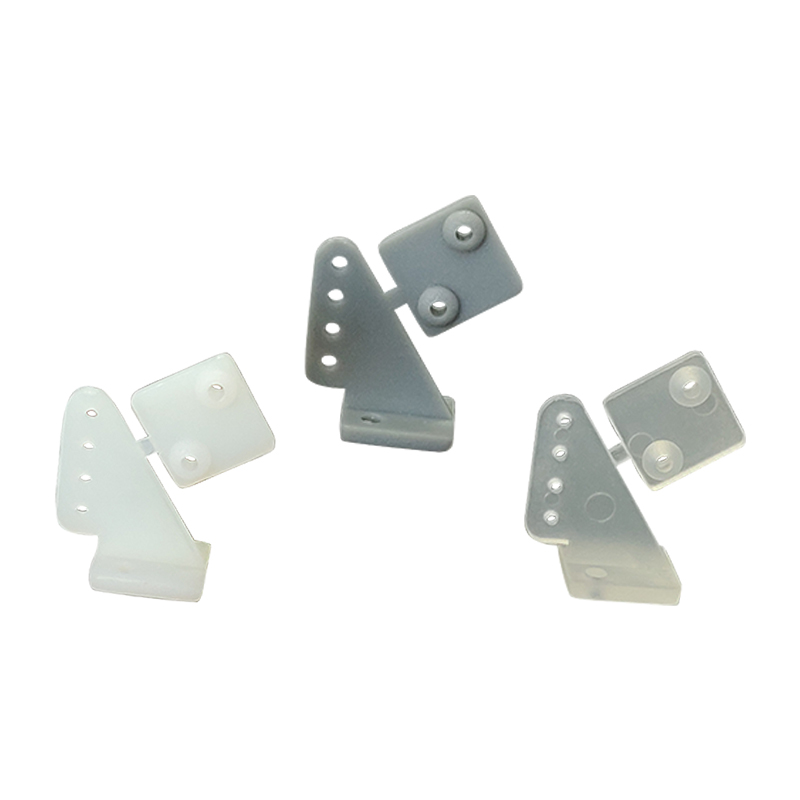
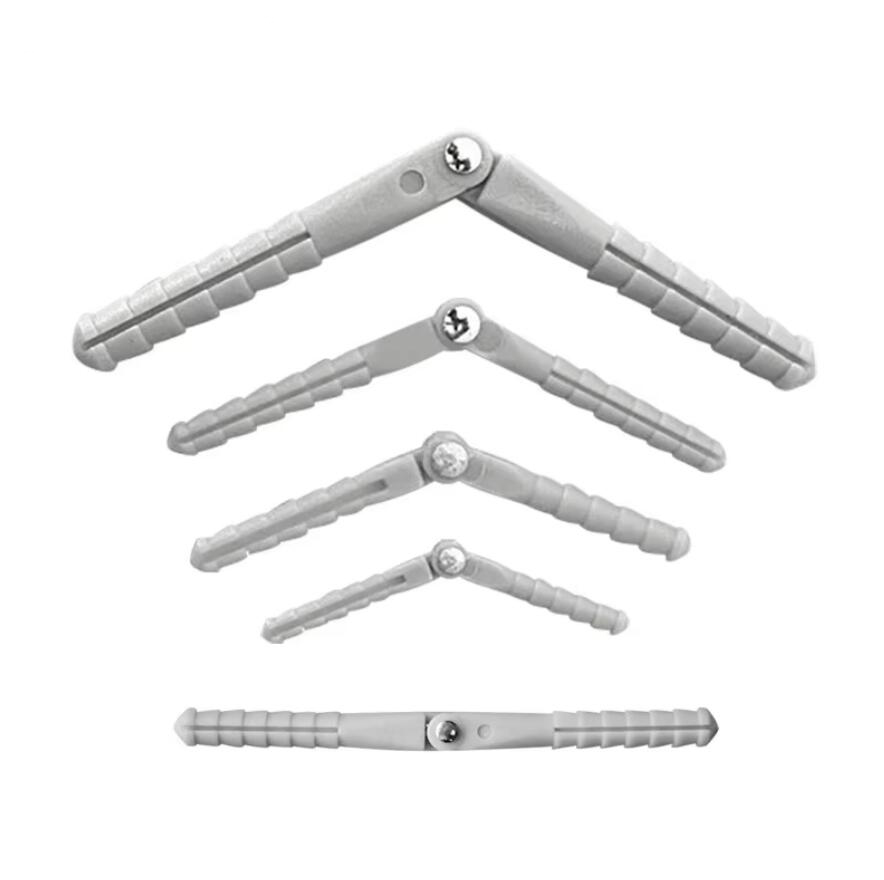
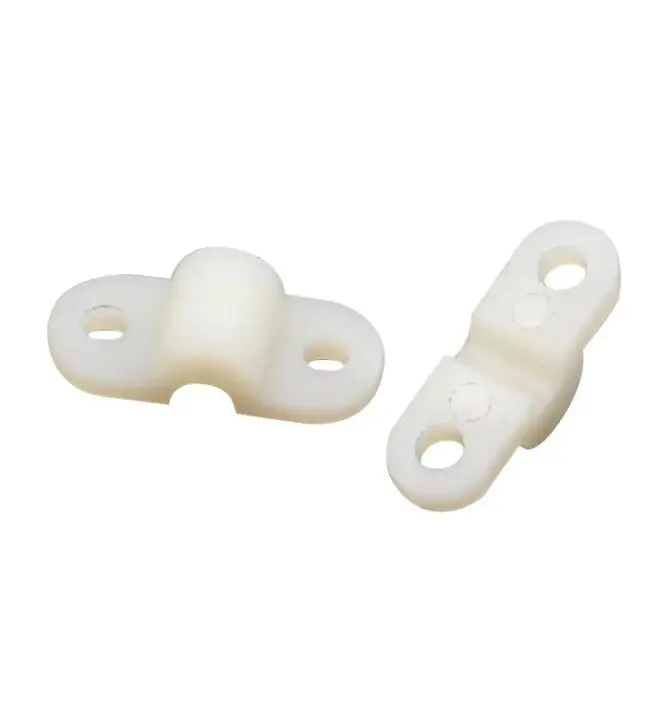
Round pivot pin hinges are the quiet part of a small electric model. They hold an aileron, elevator or rudder on its line and let the surface swing through its travel without dragging, and when one wears out the model stops tracking straight. This pack gives you twenty of them, moulded in plastic around a round pin, with a slim barrel that sets into a slot cut along the hinge line of a foam or lightweight built-up wing and tail. They are light-duty parts, and that is the point. On a foam trainer, a park flyer or a compact scale project, a heavier hinge would ask for a wider slot and put more mass exactly where the airframe notices it. These are small enough to sit inside a thin control surface and light enough that a full set barely registers. If you buy rc airplane hinges for repairs as well as for new builds, the pack size is the useful part. Twenty hinges cover a complete airframe with spares left in the box, so a split hinge after a hard landing costs an evening at the bench rather than a week waiting on a parcel. Fit comes down to two measurements: the straight run you can cut along the hinge line, and the thickness of the surfaces either side of it. Check both against the two length options before you order. Each hinge is moulded in plastic around a round pivot pin that gives smooth, flexible articulation between the two joined parts. That consistent sizing keeps the joint secure in flight without adding noticeable weight. Supplied as a set of 20, the hinges give you a spare stock on the bench, which shortens downtime when a part needs replacing or a model is being upgraded. They are intended for light-duty work on ailerons, elevators and rudders, where steady control-surface movement matters more than heavy load capacity. The plastic body keeps weight down so the hinges do not blunt the response of a lightly loaded airframe, while the round pivot pin keeps control-surface movement consistent for accurate maneuvering. Fitting them is straightforward, so a worn hinge can be swapped or an upgrade finished with minimal disruption to the model.
Material & Build
The rc airplane hinges for sale are each a single moulded plastic body with the pivot formed as part of the round barrel. There is no metal pin to rust, no steel plate to work loose, and nothing to corrode after a damp morning at the field or a season in a car boot. The plastic does two jobs at once. It is stiff enough to hold the hinge axis straight under a light control load, and smooth enough that the barrel turns without grit or grab. That combination matters more than any single figure on the table: a hinge that is stiff but rough will drag, and a hinge that is smooth but soft will develop play. Treat it as a wear part. On a model this size the hinge takes the movement of the surface and the occasional knock on landing, and when it finally goes you cut it out and set in a new one. A plastic body keeps that replacement quick and keeps the airframe light. Two build notes are worth remembering. Keep adhesive away from the pin — a trace of glue around the barrel is the most common reason a fresh hinge feels tight. Plastic is also kind to foam. A plastic barrel will not dent or crush a soft surface the way a metal knuckle can when a model comes down hard on a wingtip. - Free from the first fit — a barrel that turns cleanly means the servo is moving the surface instead of fighting friction in the hinge line. - The same travel both ways — a round pin behaves identically in each direction, so up and down throw match without leaning on sub-trim to even them out. - Little to work loose — with no riveted joint or separate pin to settle in, the hinge keeps its fit instead of slowly developing play. - Clean centring — when the servo returns to neutral the surface follows it, which is what keeps a model tracking straight through a turn instead of drifting out of it. - What a binding hinge costs — a stiff hinge shows up as a buzzing servo, trim that drifts between flights and a surface that never quite repeats its throw. Catching it on the bench is far easier than chasing it in the air. - Consistency across the airframe — the same hinge on all four surfaces keeps the feel of the model even, so trimming one wing does not make the other behave differently.
Super-Light Mini Design
A hinge weighs very little on its own. It stops being trivial once you remember where it sits: out at the trailing edge, at the end of the longest lever on the airframe, multiplied by the four or six hinges a small model carries. On a light electric foam plane the wing loading is low enough that a few extra grams along the aileron line or out at the tail changes how the model settles and how much trim it holds.
That is why these are built as light duty mini hinges rather than as scaled-down versions of a bigger fitting. The barrel is slim, the body is short and the whole part is plastic, so the mass stays close to what the surface itself has to move.
Lightness protects the airframe as well. A heavier hinge wants a wider slot and a stronger bond, and the foam around a slot is the softest material on the model. A stiff, heavy hinge concentrates load at the end of the slot; a light one lets the surface move without tearing at the foam around it.
It makes a small fleet easier to live with, too. If you buy rc airplane hinges for several models, the same pattern keeps the surfaces consistent, the spares in one box, and a swap from disturbing trim you already had.
Light duty is a real limit rather than a hedge. These belong on small electric and foam fixed-wing models with modest control loads. On a large, heavy or fast airframe, move up to a heavier hinge — the weight saving is not worth a surface that flexes under load.
Size Options & Fit
- Measure the hinge line first — the straight run you can cut along the bevel between the fixed and the moving surface is what decides the size. Most fit problems with rc plane hinges come from ordering by wingspan and measuring the slot afterwards. - Short option, tight spaces — the 24 mm length suits a small aileron near the tip, a narrow elevator, or a rudder on a compact fuselage where a longer barrel would run past the end of the surface. - Long option, more support — 28 mm puts more material and a longer bond into every hinge, which helps on a larger control surface or where the foam around the slot is soft and the load needs spreading over a longer run. - Check the slot depth as well as the length — the barrel has to sit far enough into the surface for the pivot to land on the hinge axis. A surface too thin for the barrel will bind however neatly the length works out. - Round pin or barbed pin — these are round pivot pin hinges that set into a slot and are held by the bond along the barrel. A plastic needle hinge works the opposite way, gripping with a barbed shank pushed straight into foam, so choose by the method you want to install with rather than by diameter alone. - Count before you cut — a small aileron usually takes two or three hinges so the surface cannot twist between them, and the elevator and rudder take two or three each across the pair. Spread the rc hinges evenly so no single one carries all the movement.
Fitting Steps
- Offer the hinge up first — hold it against the surface, confirm the length sits inside the hinge line, and check that the pivot will land on the axis where the surface actually rotates.
- Cut the slot — score and cut along the bevel, keeping the slot centred on the hinge line and just wide enough for the barrel. Test the depth with the hinge itself rather than by eye.
- Dry-fit each one — even rc airplane hinges for sale with a round pivot pin from the same pack can differ by a millimetre or two, so check every hinge in its own slot and adjust the slot, never the part.
- Keep the pin clean and fix the hinge — apply your usual foam-safe adhesive to the barrel and the slot walls only, seat the hinge, and wipe away anything creeping toward the pivot.
- Work the surface through its full travel — fresh rc hinges should swing freely from stop to stop with no creak, no notch and no rock at the hinge line. If it binds, stop and clear the pin before the adhesive sets hard.
- Recheck once cured, and again after the first flight — flex each surface, look for movement at the slot edges, and confirm the throws still match what you set.
Use Scenarios
- Foam trainers — the aileron line takes most of the punishment on a trainer, and the rc airplane hinges there are the first thing to check after a heavy landing.
- Park flyers and small scale models — where a compact elevator and rudder need hinges that sit inside a narrow surface without pushing the trailing edge out of shape.
- Indoor and slow-fly builds — very light airframes, small control surfaces and little load, which is exactly the working range these are made for.
- Field repairs — unlike a plastic needle hinge, which relies on a barbed shank, these cut out cleanly, so a hinge that lets go between flights can be replaced from the same pack at the bench and the model goes home flying rather than in a bag.
- Multi-model ownership — one box covers the trainer, the sport model and the small scale project, which is how a set of rc plane hinges ends up being the most-used item in the tool case.
- Club and classroom builds — where several models are built to the same plan, matching hinges keep every one of them moving to the same feel.
Specifications
| Material | Moulded plastic |
| Hinge type | Round pivot pin, light duty |
| Pivot pin diameter | 2 mm |
| Barrel width | 8 mm |
| Length options | 24 mm or 28 mm |
| Pack quantity | 20 hinges, one length per pack |
| Typical surfaces | Ailerons, elevators and rudders |
| Model type | Lightweight electric and foam fixed-wing |
| Fitting method | Set into a cut hinge line and secured in place |
| Measurement variation | 1–3 mm on manual measurement |
| Fit depends on | Control-surface thickness and hinge-line length |
Upgrades & Prototyping
Changing a model is rarely a single event. A surface gets recut, a hinge line moves a few millimetres, a different airfoil gets tried — and every version needs its control surfaces back on their line before it can fly. A pack of twenty absorbs that cycle without another order. For foam-board prototyping the useful quality is predictability. When the same hinge goes into every version of a test wing, a change in how the model flies can be credited to the wing rather than to a hinge that happened to fit differently. Builders who go through several iterations tend to keep one length in stock and treat the rest of the pack as consumable. Upgrades work the same way. Replacing tired hinges on a model you already fly, or moving a surface to a longer hinge for more support, is a bench job of minutes when the parts are already in the box, and it is the cheapest way to sharpen an older airframe before spending on servos or a new wing. Prototypes also fail. A hard arrival that tears a hinge out of foam usually leaves the hinge itself reusable; check the barrel for play, trim off the old adhesive and set it back into a fresh slot.
Maintenance & Care
- Check before every session — flex each surface and watch the hinge line. Any rock, whitening at the barrel or a surface that no longer returns to neutral is your cue to look closer; worn rc hinges rarely fail without warning.
- Keep the pin free — grit, dried adhesive and grass cuttings are what turn a smooth hinge into a stiff one. A soft brush and a dry cloth along the barrel clears most of it.
- Skip the solvents — plastic and aggressive cleaners do not mix. Wipe with a dry cloth or a barely damp one and let the part dry before the model goes back together.
- Store flat and away from direct heat — small plastic parts left under a car window or loose in a toolbox can take a set. Keep spares flat in a compartment box.
- Replace rather than re-glue — a hinge with play in the barrel will not be cured by more adhesive, and a re-glued hinge usually fails at the worst moment. Round pivot pin hinges cut out cleanly, so fit a fresh one from the pack.
- Check the slot after a hard landing — the foam around a hinge often gives before the hinge does, so look at the slot edges as well as the part. A torn slot needs a fresh cut and slightly more hinge length.
Ordering & Delivery
Two things decide what you order: length and quantity. Each pack is twenty hinges in a single length, so a mixed fleet means ordering both, while a single model usually needs one pack with plenty left over for repairs. If you are stocking up for a club or a build class, say so when you get in touch and ask about current availability.
Delivery cost and lead time depend on where you are and how the order travels, so confirm both with your sales contact before you plan a build around them. The same applies if you want several lengths, or other parts sent in one shipment: tell us what you are working on and we will confirm what can travel together and what it costs. Terms are confirmed when you order, because they change with destination and order size.
When the parcel arrives, open it and check the hinges against the pack description before the model goes together. Shortfalls and transit damage are far easier to sort out straight away, and small parts are easy to mislay once the bench gets busy.
If you buy rc airplane parts regularly, it is worth keeping one pack of each length on the shelf rather than ordering only what the current build needs; the next repair rarely waits for a delivery.
Scale & Supply Capability
We serve RC flyers who need the right fit, not a guess. Our catalogue spans a broad spread of sizes, hole layouts, colors and pack quantities, so a first-time builder repairing a foam trainer and an experienced modeler finishing a scale fixed-wing can both find what they need in one order. Each item is shown with its actual dimensions and weight, sets arrive complete with the hardware they include, and our team can help you match parts to your airframe before you order.
FAQ
Are these hinges compatible with all types of electric RC airplanes?
No single hinge suits every model — what decides it is the hinge line you can cut and the thickness of the surfaces either side of it. These rc airplane hinges are sized for lightweight electric and foam fixed-wing models, where control surfaces are thin and loads are light. Measure the run available along the bevel and check it against the 24 mm and 28 mm options. If the surface is thick, or the model is large and fast, step up to a heavier hinge instead.
Can I use them for customising non-foam models?
Yes, provided the airframe is light and the control surfaces are thin. They are optimised for foam replacement work, but the same round pivot pin sets into a cut slot in a thin built-up surface just as well, as long as the slot is clean and the hinge is properly secured. What changes is the material around the hinge, not the hinge itself. Where rc airplane hinges for sale are usually bought for foam trainers, this pack also suits a small built-up or composite model carrying light control loads — just do not expect it to take the loads of a large airframe.
How is this different from the plastic needle hinge in the same range?
They solve the same problem in two different ways. A plastic needle hinge grips with a barbed shank pushed straight into foam, so it relies on the material closing around it. These hinges are set into a slot cut along the hinge line and held by the bond along the barrel. If you are repairing a model that already uses barbed needle hinges, replace like for like; if you are cutting a fresh hinge line, the round pin is the easier one to position accurately.
Do I get both lengths in one pack?
One pack holds twenty hinges in a single length. Both 24 mm and 28 mm are available, so order the length your surfaces need — or take a pack of each if you fly models of different sizes. Keeping both lengths of rc plane hinges on the shelf is useful when a repair turns out to need a little more support than the original hinge did.
What is the right way to keep them working for a long time?
Clean pin, regular checks and prompt replacement. Look at each surface before every session — most problems appear first as a surface that no longer returns to neutral or a faint click at the hinge line. Avoid solvent cleaners, store spares flat, and replace rather than re-glue once the barrel develops play. Anyone who buys rc airplane hinges as spares usually finds the extra pieces pay for themselves the first time a hinge lets go at the field.
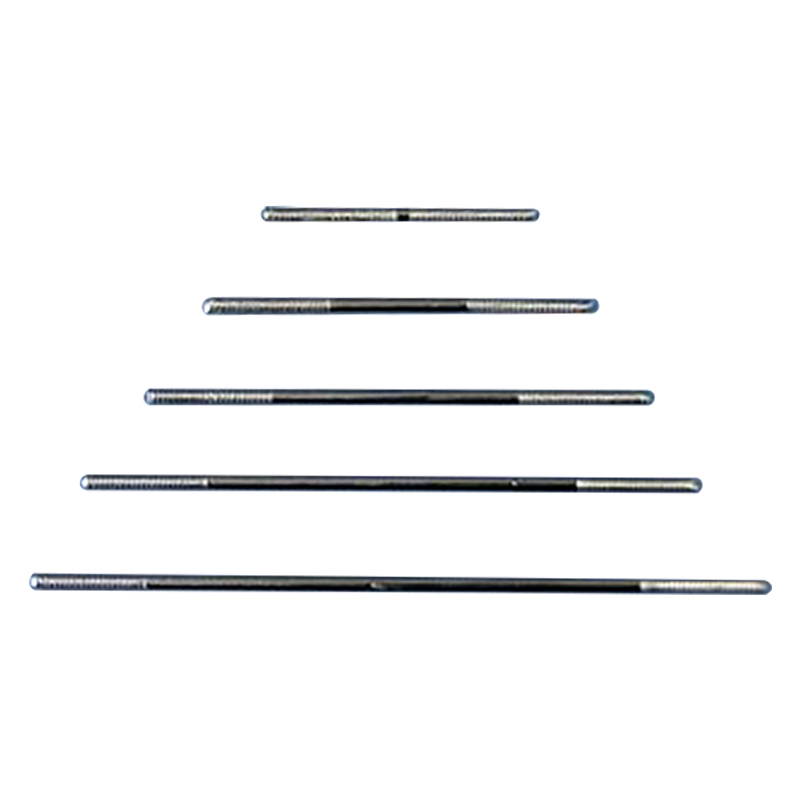
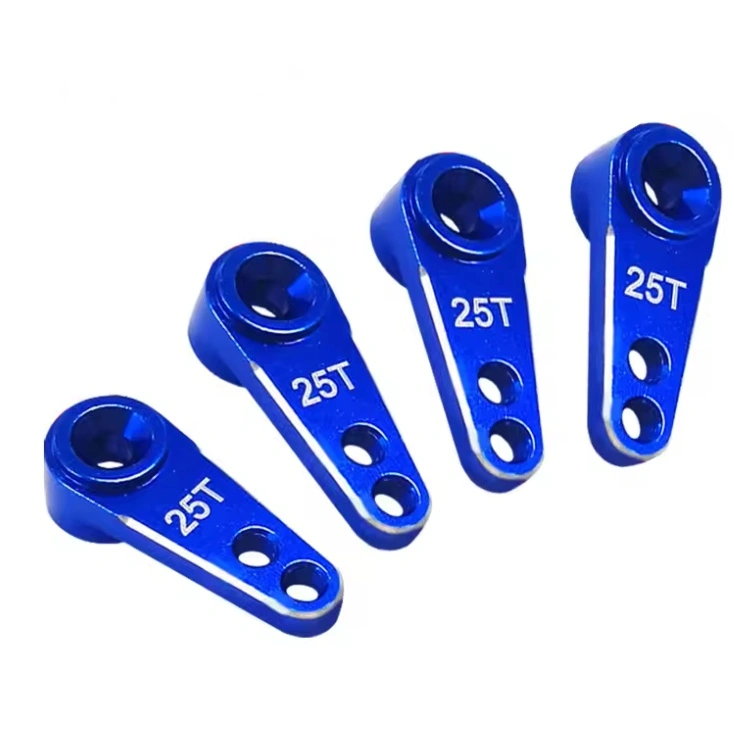
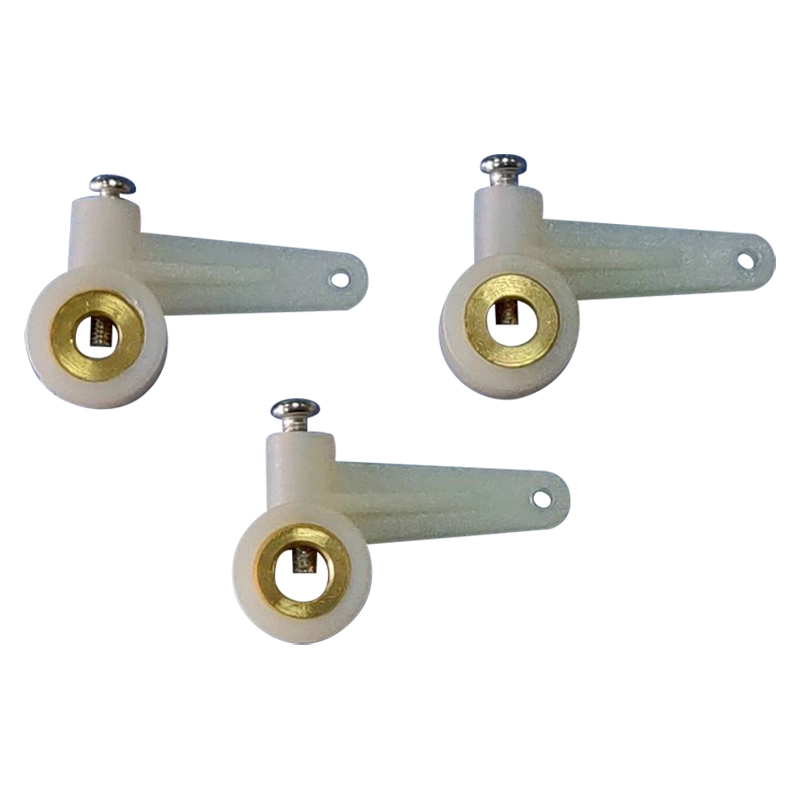
Can these be used alongside your control horns and pushrods?
Yes. The hinge, the horn and the pushrod are separate links in the same chain and are chosen independently: the hinge by the hinge line, the horn by the servo arm and the pushrod by the distance between them. If you buy rc airplane parts from us for one build, tell us the model and the surfaces you are working on and we will help you match the set before you order.