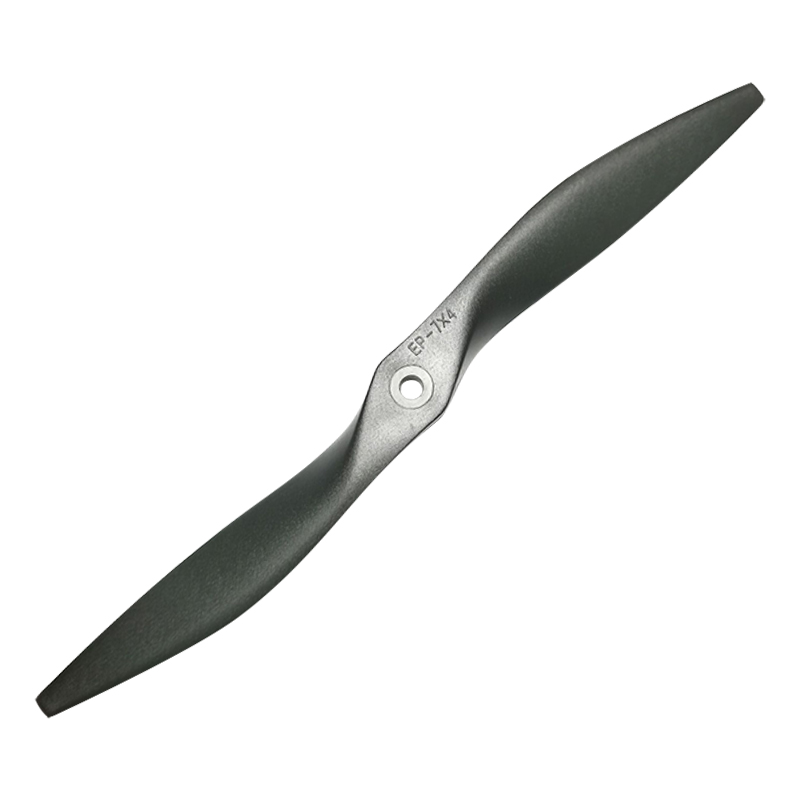
10 Pcs Electric Motor Propeller 2508/4030/5045/6030/6045/7040/7060 For RC Airplane Plane DIY Blade
| No. |
Item No. |
Size(Inch) diameter x pitch |
Hole core |
Weight (1 pc) |
| 1 |
HY001-00202A |
2508 (std) |
Φ1mm |
0.5g |
| 2 |
HY001-00202B |
2508 (reverse) |
Φ1mm |
0.5g |
| 3 |
HY001-00204A |
4030 |
Φ2/Φ4mm |
1.1g |
| 4 |
HY001-00204B |
4.4" /110×30mm |
Φ1.5/Φ2mm |
2.2g |
| 5 |
HY001-00204C |
4.2" /108×68mm |
Φ2mm |
1.6g |
| 6 |
HY001-00205A |
5045 |
Φ2mm |
2.2g |
| 7 |
HY001-00205B |
5" /130×70mm |
Φ3mm |
1.7g |
| 8 |
HY001-00206A |
6030 |
Φ3mm |
2.4g |
| 9 |
HY001-00206B |
6045 |
Φ1.5mm |
3.8g |
| 10 |
HY001-00206C |
6.3" /160×80mm(with cap) |
Φ2mm |
5.8g |
| 11 |
HY001-00206D |
6.3" /160×80mm(without cap) |
Φ5mm |
|
| 12 |
HY001-00207A |
7040 |
Φ4mm |
5.1g |
| 13 |
HY001-00207B |
7060 |
Φ3mm |
4.3g |
| 14 |
HY001-00207C |
7×4 |
Φ2mm |
|
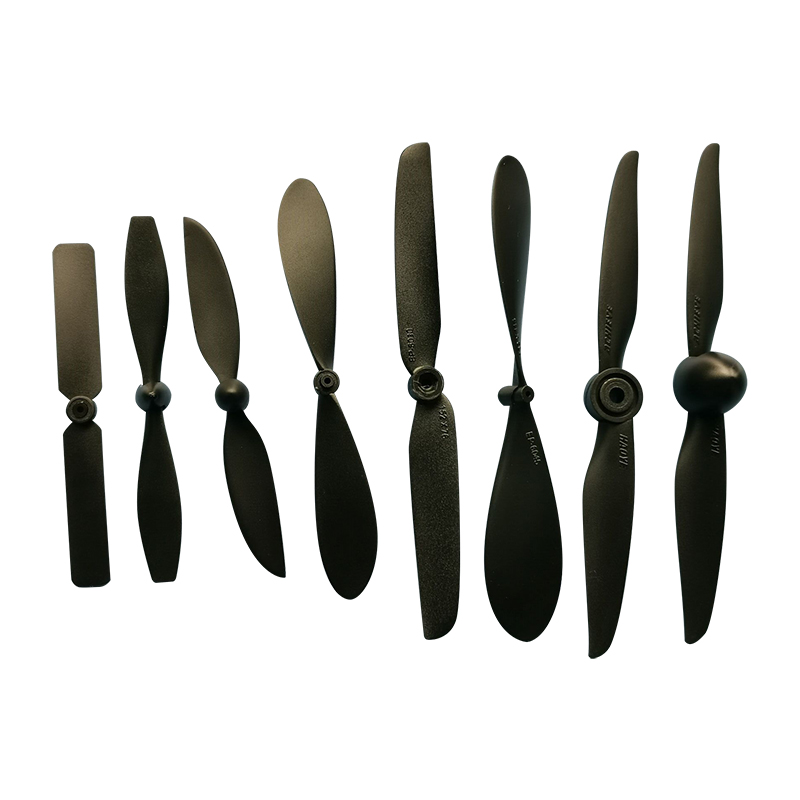
Product Overview
A propeller converts motor rotation into thrust for fixed-wing RC aircraft. This pack includes 10 slow-fly propellers with a broad range of mainstream sizes, covering tiny indoor slow-fly models up to mid-size foam trainer airframes. Standard and reverse rotation variants are included for counter‑rotating setups, while varied centre hole diameters support fitment with many common outrunner and inrunner electric motors. This set is intended for model builders performing new assembly, routine spare replacement, or crash repair. Many modellers maintain a selection of mixed-size slow-fly props in their field repair kit, as propellers are among the most frequently replaced components after hard landings or ground strikes. The range of pitch and diameter combinations delivers high static thrust at low rotational speeds, perfectly matched to lightweight foam and KT plate airframes.
Material & Build
RC slow-fly propellers of this style are injection‑moulded plastic, the standard construction for lightweight slow electric model applications. Plastic construction keeps rotational mass low, reducing load on the motor during acceleration and deceleration. Each prop is moulded to consistent blade geometry for its listed diameter and pitch, designed to produce strong static thrust at lower RPM. The centre hub is drilled to the specified bore size to suit matching motor shafts or prop adapters. Plastic will deform or crack under sharp impact rather than transferring excessive shock load directly into the motor shaft, which is common behaviour for this class of model propeller. Blade balance is not factory guaranteed for every unit; static and dynamic balancing before flight is standard industry practice for all RC propellers.
Size & Fitting Guide
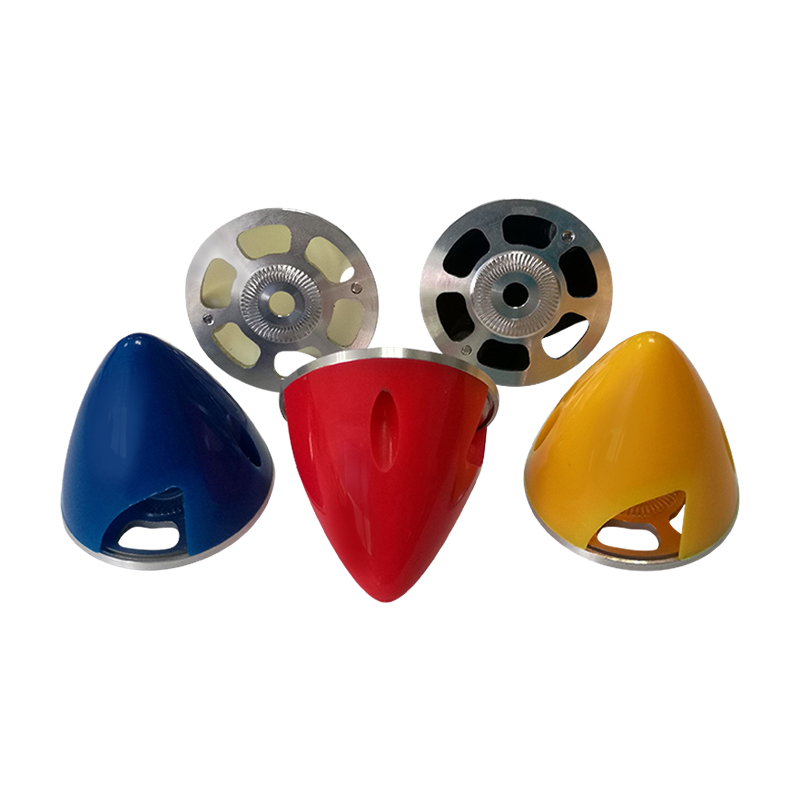
Diameter and pitch determine the thrust characteristics of each slow-fly propeller. Small low‑pitch props such as the 2508 suit tiny indoor slow‑flyer models. Larger, high-pitch slow-fly options like 7060 are used for foam trainers that require strong static thrust for steady, low-speed flight. The hub bore is the critical fitting dimension. Match the prop’s hole core to your motor shaft or prop adapter. Many sizes are offered with multiple bore options to cover different shaft standards. Do not select by visual appearance only. Blade width and hub design vary between moulds; always reference the listed diameter, pitch and hole core size. Some variants are supplied with an integrated spinner cap, while others are capless. Versions with caps provide a streamlined front profile; capless variants are designed for use with separate aftermarket spinners. Hand measurement tolerance applies to all listed dimensions. Photos are not scaled for reference.
Design & Compatibility
Standard rotation and reverse rotation props are included in this range. Reverse props are used in counter‑rotating motor installations to cancel out motor torque effect on the airframe. Each blade pair is shaped for slow-fly operation. Higher pitch on these props delivers strong static thrust at lower motor RPM, ideal for gentle, stable flight of foam and KT plate models. Changing pitch alters the operating load on the motor: these high-pitch slow-fly props place higher torque demand on the motor, so power system matching is important. Props with the same listed bore can share the same shaft adapter or collet, simplifying spares organisation for builders running multiple slow-fly models. These propellers are designed for electric power systems only, and are not intended for glow or gasoline engine use.
- Mixed slow-fly size selection covers indoor slow flyers, foam trainers and KT plate RC airframes
- Standard and reverse rotation options support counter‑rotating builds
- Multiple hub bore sizes match a wide range of electric motor shafts
- Variants available with or without integrated spinner caps
- Lightweight plastic construction to minimise rotational inertia
- 10 pieces per pack, suitable for new builds and field repair spares
Applications Across RC Models
Indoor micro slow-fly RC aircraft: 2508 standard and reverse props are widely used on small lightweight foam slow flyers and indoor park models. Foam & KT plate electric trainer airframes: 4030, 5045, 6030 and 6045 are common sizes for beginner foam trainers and low-speed park flyers. Mid-size slow electric sport foam models: 7040 and 7060 suit larger fixed‑wing foam models built for steady low-speed flight with strong static thrust. Crash and wear replacement: Blades that receive nicks, cracks or deformation from contact with the ground require replacement before flight. Bench stock for flying clubs: A mixed-size pack supports multiple builders and different slow-fly airframe types.
Installation & Balancing
Select a propeller whose bore matches your motor shaft or adapter. Secure the propeller firmly so it runs co‑axially with the motor shaft. Static balance the propeller first, then perform dynamic balance testing before flight. An unbalanced propeller creates vibration, which can damage motor bearings, loosen airframe fittings and degrade flight handling. For versions fitted with a spinner cap, confirm the cap sits securely and does not contact the airframe during rotation. Inspect the blade edges and hub for nicks after every landing. Minor damage can introduce imbalance; cracked blades should not be reused. These slow-fly high-pitch props demand careful power matching. Confirm your motor and ESC can handle the load before running at full throttle.
Workshop Repair & Maintenance
Inspect props after every ground strike or hard landing. Hairline cracks, chipped blade edges or hub deformation mean the propeller must be retired. Store spare propellers flat and protected to avoid warping. Plastic propellers can slowly deform under uneven pressure or heat. If you change prop size on an existing motor, check motor temperature under load. These high‑pitch slow-fly props create higher torque load and may overload an ESC or motor if mismatched. Keep a few matched spare props of your commonly used sizes in your flight field kit.
CAUTION
For the great amount of propellers with varied types of different purposes, users should fly with them follow the instruction below for safety:
1.Please run your propeller with proper power system, and please do some necessary adjustment with test of static/ dynamic balance seriously, or you will easily have it damaged;
2.When the power system is working, please make sure that there is no one standing in front or on either side of it ( or its intake, if it is an electric ducted fan power system), preventing it from flying off unexpectedly and causing danger;
3.If there are some cracks or any structural damages on the propeller, please displace another one as soon as possible to prevent it from flying off into pieces and causing danger;
4.Before flying, please make sure the propeller is fixed well through the motor shaft and the two of which are in the same axis;
5. Please make sure the runway is clean, because such things like branches and little stones and easily cause danger and damage to people all around and the plane itself.
- This guide can also be applicable in the term of “Ducted Fan Power Units”.
FAQ
Q: How do I choose the right propeller size for my RC airplane?
A: Match the diameter, pitch and hub bore to your motor specification, ESC rating and airframe design. These are slow-fly props built for high static thrust and low-speed stable flight for foam / KT plate models. Always verify the hole core fits your motor shaft or prop adapter.
Q: What is the difference between standard and reverse rotation propellers?
A: Standard and reverse blades spin in opposite directions. Reverse propellers are used for counter‑rotating motor setups to offset motor torque on the airframe.
Q: Is balancing required before flight?
A: Yes. Static and dynamic balancing is standard practice for all RC propellers. Unbalanced blades create harmful vibration for the motor and airframe.
Q: Can these propellers work on glow or gas engines?
A: No. These plastic slow-fly propellers are designed exclusively for electric RC power systems. They are not rated for the vibration and heat produced by internal combustion engines.
Q: Can I reuse a propeller after a crash?
: Full inspection is required. If you see cracks, splits, deformed blades or damage at the hub, replace the prop immediately. Damaged props may fail in flight.