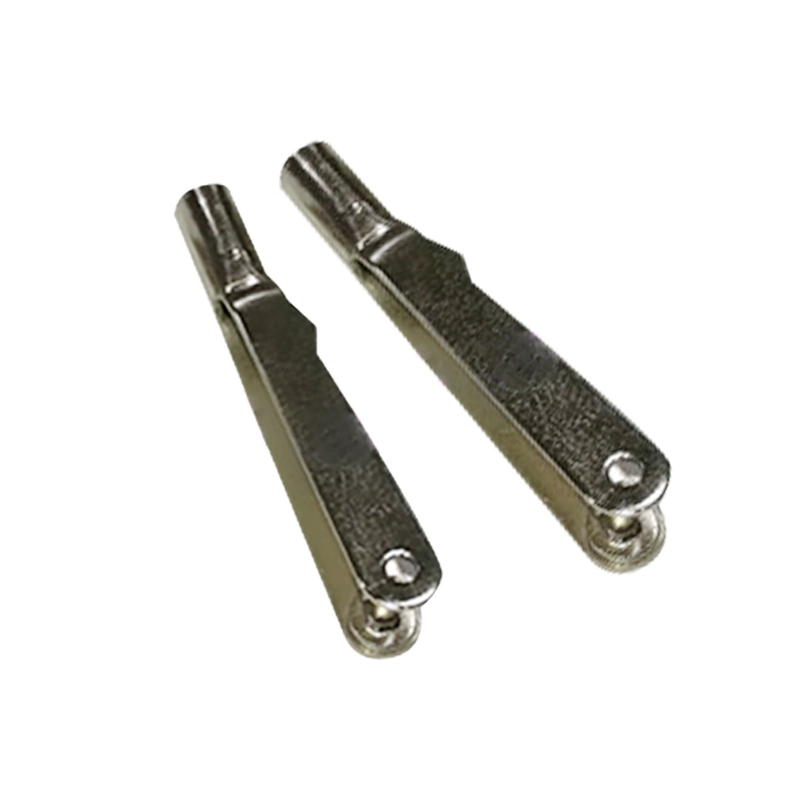
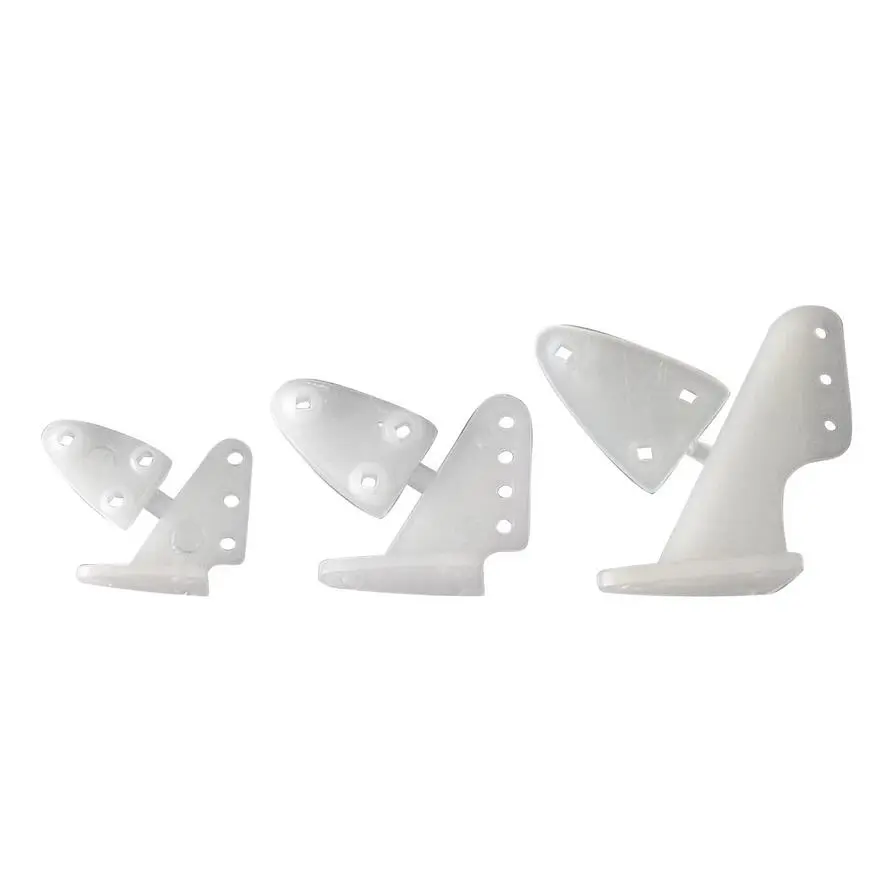
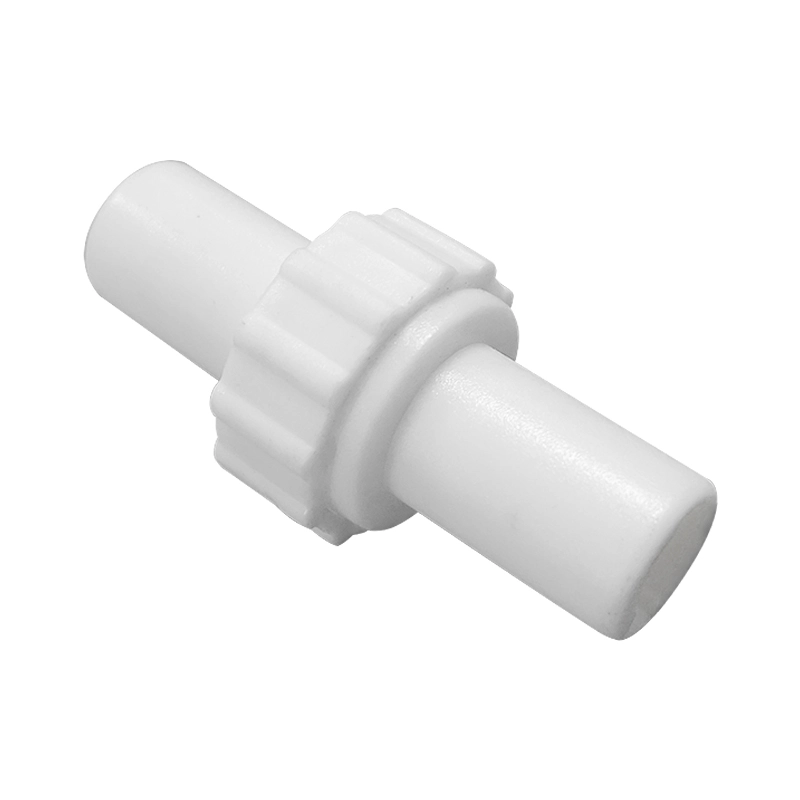
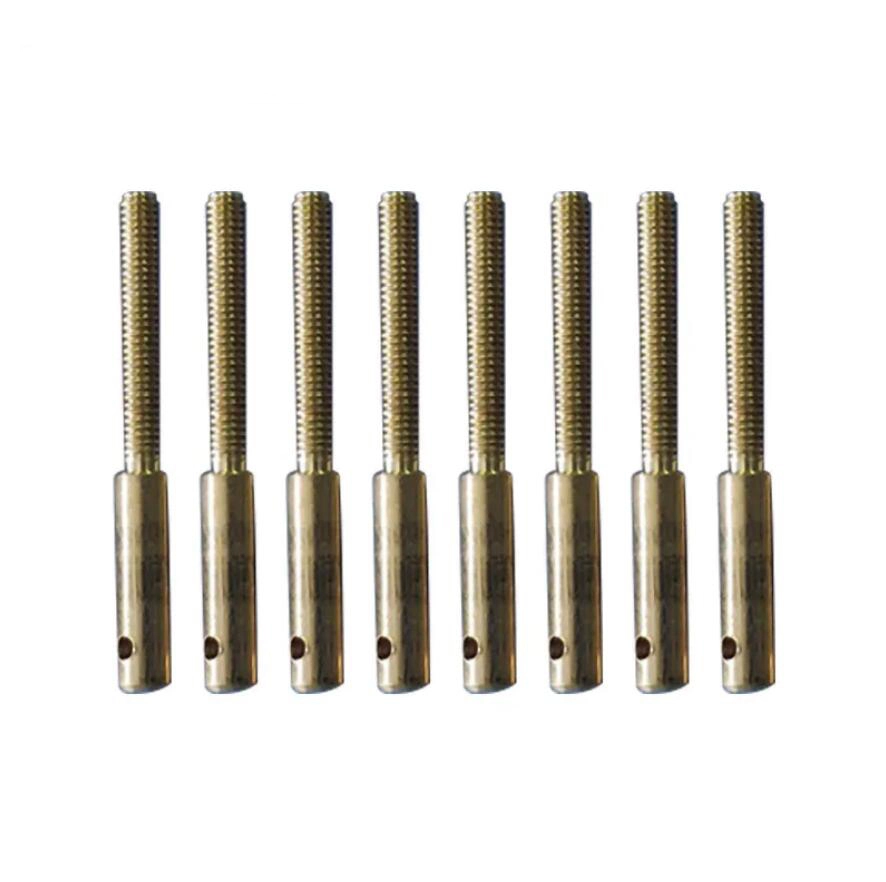
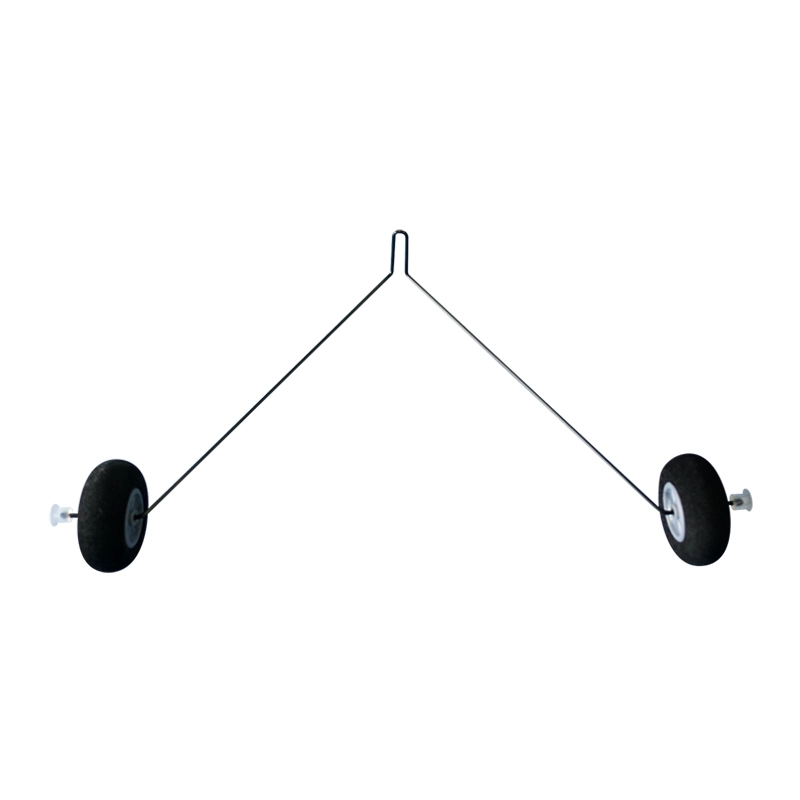
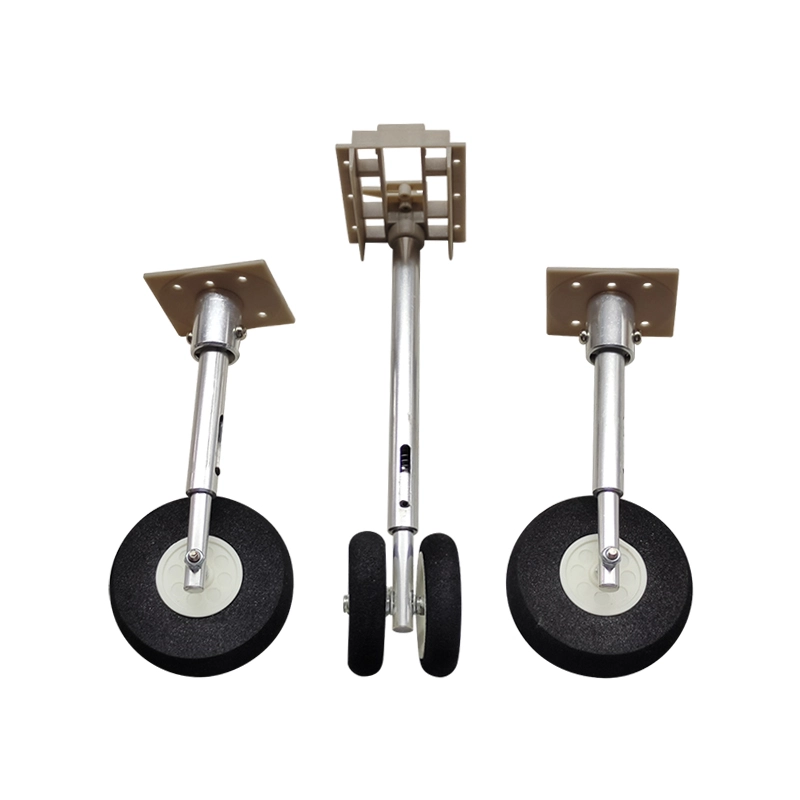
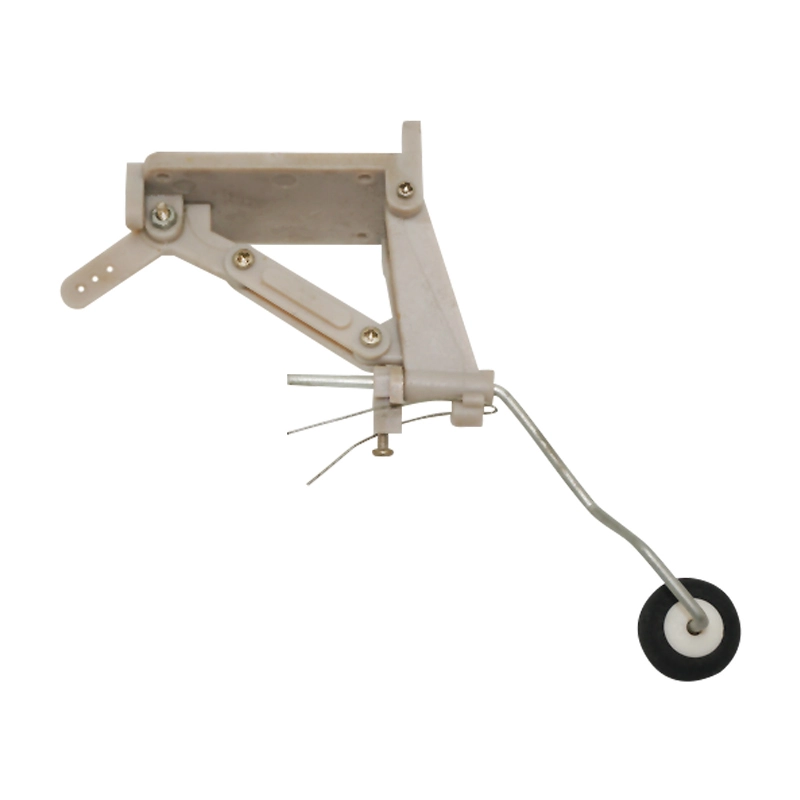
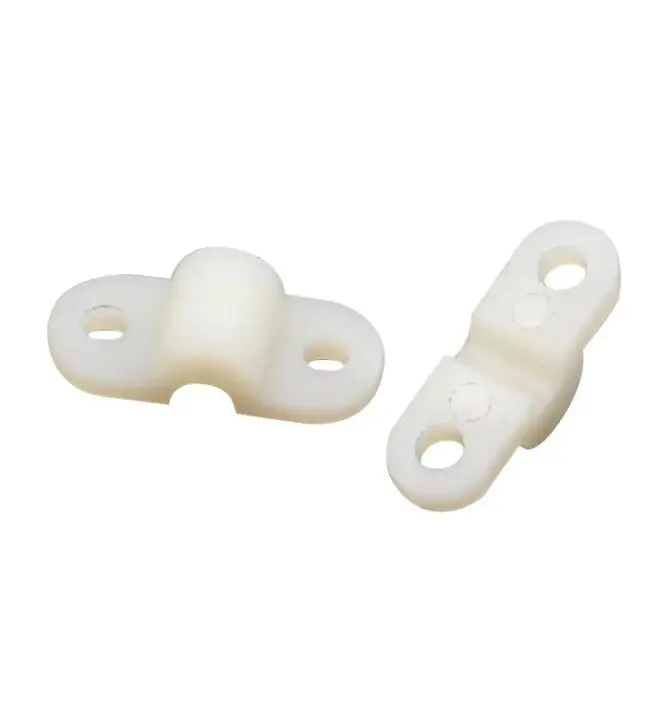
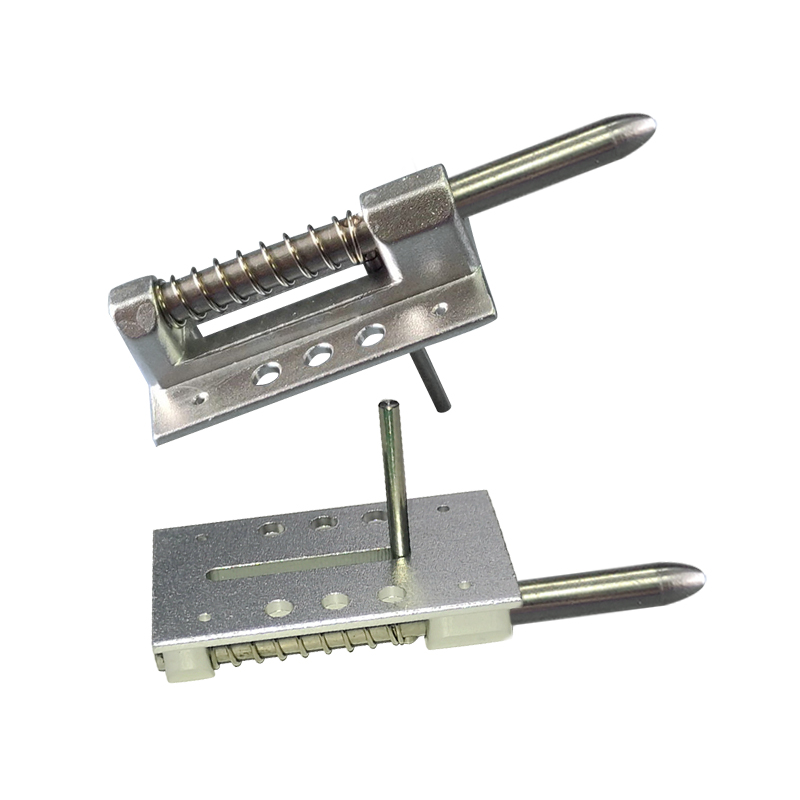
1 PC Pin Length Aluminum Canopy Locks
✔Size:Length :L26mm
✔Width :W16mm
✔Height :H8mm
✔Bolt aperture :Φ3mm
✔Weight:4.7g
✔Package:1pc canopy lock
It is best for F3A aircraft or drones. Of course, other airplanes model can also be used, just to take into account its weight!
Ps:
1.All dimensions are measured manually with deviation (ranged)at 1-3mm. If by any chance they are not, we are sorry for that.
2.The color of products on the picture may be a little different from what you receive, because of the light and computer screen resolution.
3.Due to shooting or display and other reasons, if there is a slight difference between the actual product and the picture, please refer to the actual product.
Fit & Canopy Access
Open in seconds. A simple pull releases the hatch, so battery swaps, receiver inspection and servo tuning can be done right at the flight line instead of heading back to your workbench. Locked tight when airborne. Once engaged, this spring-loaded pin draws the canopy firmly against the fuselage, preventing unwanted lifting, rattling or chatter under airflow. Metal hardware for competition and sport airframes. This aluminum pin lock works beautifully for F3A aerobatic RC aircraft, and it can also be adapted to many other fixed-wing models — just keep its flying weight in mind during your build layout. Friendly for all skill levels. Unlike many plastic catches, this all-metal spring pin assembly comes pre-assembled. No tricky forming, no fragile molded tabs; installation only needs a suitable drill point and matching pin or screw for mounting. Single specification, solid construction. Every unit shares identical dimensions and spring tension, so a spare you keep in your field box will perform exactly the same as the one fitted to your airframe.
Product Overview
One precision-machined aluminum canopy lock pin, built to hold your canopy securely and release reliably whenever you need access. This spring-bolt style latch features a smooth, rounded guide tip for easy alignment when closing the hatch. Each lock is compact, low-profile and weighs only 4.7g, adding minimal mass while delivering far stronger holding force than lightweight plastic alternatives. It is ideal hardware for F3A aerobatic planes, and it also serves as an excellent upgrade replacement for worn original catches on most sport RC airplanes. Mount the lock at the junction of canopy and fuselage; the spring tension keeps the hatch locked through vibration and high-speed flight, yet it releases smoothly with a light pull on the ground. The alloy body resists deformation better than plastic latches after countless opening cycles. That durability is a major advantage for competition models that get frequent canopy removal between flights. Surface finish is machined silver aluminum, which complements bare metal, painted and covered airframe schemes alike. Whether you are repairing an older airframe or building a brand-new F3A ship, the fitting routine stays consistent: mark your mounting position, drill the pilot hole, secure the assembly, and test the lock action. A sturdy canopy pin lock is often the difference between a hatch that stays locked through every maneuver and one that creaks open mid-flight. On custom F3A builds, this aluminum lock can be paired with other scale hardware for a neat, professional finish. It grips firmly against flight loads and engine vibration while still allowing quick, tool-free hatch access. Its precise machining maintains tight tolerances for consistent fit across your whole fleet.
Reliable Fastening & Integration
Secure locking comes from the calibrated spring, not over-tightened fasteners. The Φ3mm mounting bore creates a clean, round anchor point to accept your chosen pin or screw, and the base plate spreads load evenly so tension pulls uniformly on the canopy instead of twisting one corner. Even load distribution stops the hatch from creeping open under continuous vibration. The low-profile base tucks neatly into the narrow gap between canopy skirt and fuselage side, where bulkier home-made hardware would block the cockpit opening. Integration works for new builds as well as retrofits: swap this lock directly into the position of your old worn catch, or add an extra hold-down point for longer canopies prone to lifting at the rear. Since this part is machined from solid aluminum rather than molded plastic, its shape and spring tension remain consistent unit to unit. If you fit two locks along one long canopy, both will engage and disengage with matching feel — very convenient when you are opening the hatch single-handed while holding your model.
- Direct upgrade replacement, no heavy modification needed. The footprint suits common canopy latch mounting stations, so you can swap out old catches without cutting new large slots.
- Tension controlled by built-in spring. Holding force comes from the compression spring, so you will not crack delicate canopy edges by cranking fasteners too tight.
- Weight-conscious design. At only 4.7g per piece, it adds little all-up weight, which is critical for aerobatic F3A models where every gram affects flight performance.
- Uniform performance from unit to unit. Every lock is machined to identical specs, so a spare you order later drops straight into your existing drilled mounting hole.
- Stable long-term supply. This is a standard-size RC canopy lock, so future restocks match your original part design, no rework required.
Applications Across RC Models
F3A aerobatic aircraft. Its primary use case: competition F3A planes that require reliable hatch locking during aggressive aerobatic sequences. Electric sport and scale models. It upgrades the canopy retention on glass, composite or plastic canopies, eliminating lift at higher flight speeds. Gliders and thermal soarers. This slim metal pin lock adds a firm hold for long cockpit hatches without ruining the fuselage’s clean aerodynamic lines. Traditional built-up balsa airframes. When the original factory catch has worn out, this aluminum lock restores positive, dependable closure. Workshop and competition fleets. Hobbyists, flying clubs and competition pilots keep these in stock for quick field repairs, ideal when multiple airframes share the same hatch hardware.
Specifications
| Specification |
Detail |
| Length |
L26 mm |
| Width |
W16 mm |
| Height |
H8 mm |
| Bolt aperture |
Φ3 mm |
| Net Weight |
4.7 g |
| Set contents |
1Pc aluminum spring canopy lock pin |
| Body material |
Machined aluminum alloy |
| Supplied fixings |
Lock assembly only; matching pin or screw to suit your airframe is not included |
| Fits |
F3A aerobatic RC airplanes, other fixed-wing RC aircraft |
| Mounting |
Secure through the Φ3mm base hole |
| Assembly tools |
Only a drill and driver for your own fasteners |
Installation & Handling
Close your canopy hatch, hold the lock assembly up to the joint, and mark the position of the mounting hole onto the fuselage. Match the fuselage side to the lock base — the mounting hole size is fixed, so drill your fuselage hole for your selected pin or screw. Always dry-fit before final fixing: the base plate must sit flat against the fuselage surface with the canopy fully closed and no unwanted gap along the rear hatch edge. Fasten the assembly through the base hole, then test open and close repeatedly. A correctly fitted lock should release with gentle pulling force and stay firmly latched when closed. For extra-long canopies that still lift at the rear, fit a second lock further back, spacing both locks evenly so the canopy seats flat all along its edge. Recheck your fastener tension after the first few flights. Composite or wood airframes can settle slightly around new mounting points; a small adjustment restores the original spring tension. At the flying field, the canopy gets opened more often than any other panel. Batteries get changed, ESC temperatures get checked, servos get centered, and all of these tasks start with releasing the hatch. That is why this single-piece aluminum lock is perfect for F3A pilots: it delivers heavy-duty metal reliability for repeated daily use. Open and close it dozens of times through a flying season, and the spring maintains its tension; there are no thin plastic tabs that snap in cold weather. Even if it eventually wears after a hard landing impact, you only replace this single assembly instead of rebuilding the whole hatch mount. Store your spare lock alongside clevises, servo screws and pushrods, so canopy repairs at the field only take minutes and do not cut your flying session short. If multiple models pass through your workshop each week, this hardware covers high-load aerobatic builds that plastic latches cannot handle.
Custom Builds & Finish Notes
Scratch-built competition airframes. When drafting plans for your custom F3A model, this compact lock gives you a defined mounting point you can draw on your blueprint and replicate consistently. Repeatable anchor points. All locks share the same dimensions, so a second or third lock fitted along one long canopy will align perfectly with the first. Silver machined finish. The raw aluminum finish pairs naturally with bare composite, painted and covered airframes; you can also sand and paint the base plate to match your custom scheme. Scale and semi-scale aerobatic projects. This low-profile pin tucks right beside the canopy rail, preserving the scale cockpit outline of full-size aerobatic aircraft. Installation calls for no specialty tools. It is designed for quick hatch removal and reinstallation. Stable spring locking reduces canopy movement and flight damage risk, and simple maintenance means less downtime between flights. Its intuitive operation suits brand-new builders and veteran competition pilots equally.
Ordering & Delivery
This listing supplies one silver aluminum spring canopy lock pin. If you are searching for robust metal canopy hardware rather than disposable plastic latches, this is your choice. Before purchasing, measure the gap between your canopy skirt and fuselage, and cross-reference against our listed dimensions. If your canopy rail is extremely narrow, send a photo of your hatch area so we can confirm fitment for you. Fasteners are not included in the package, so prepare your matching pin or screw ahead of arrival. Shipping cost and lead time will display on the checkout page. For bulk club or shop restock orders, send over your quantity request and we will confirm stock availability and pricing. The parts are produced under strict quality standards, so reorders will match the fit and finish of your original hardware.
Scale & Supply Capability
We support RC pilots who want proven, dependable fit instead of guesswork. Our hardware catalog covers plastic lightweight latches as well as heavy-duty metal canopy locks for high-stress aerobatic models. Whether you are a new builder fixing a sport plane or an experienced F3A competitor finishing a scale airframe, you can source matching hatch hardware here. Every product page lists true dimensions and weight clearly, package contents are fully described, and our team can help you confirm compatibility before you place your order.
FAQ
What material is this canopy lock pin made of?
It is machined aluminum alloy with an integrated steel compression spring. This metal construction delivers far higher strength and fatigue resistance than molded plastic latches, ideal for aerobatic flight use.
Can I paint this aluminum canopy lock?
Yes. The aluminum surface can be lightly sanded, primed and painted to match your canopy or fuselage scheme. Take care to keep paint out of the spring and moving pin area to avoid jamming the lock.
Is this lock suitable for my F3A plane?
Absolutely. It was engineered for F3A aerobatic models. Check the flat mounting area between your canopy edge and fuselage, and confirm your planned fixing spot aligns with the Φ3mm mounting hole. Always perform a dry fit before drilling.
Will the canopy stay locked during aerobatic maneuvers?
The calibrated compression spring pulls the canopy tight against the fuselage and resists vibration. The load sits on the base plate and fastener rather than fragile canopy lip, which prevents chatter or popping open during loops, rolls and other aerobatic sequences.
Do these aluminum locks wear out quickly?
Metal hardware lasts significantly longer than plastic latches under regular use. The main sign of wear is weak spring tension after thousands of cycles or heavy impact damage. Before replacing the whole unit, first check whether your mounting fastener has loosened.
Can this lock fit balsa and composite airframes, not only F3A planes?
Yes. F3A is its primary application, but it works on most fixed-wing RC aircraft. For balsa wood, reinforce the mounting hole with thin CA glue to stop wood crushing; for composite airframes, drill cleanly and avoid over-tightening the fastener.