1 PC Metal Cabin Hinge Black Color For RC Model Airplane Drone UVA Flexible Rotation RC Accessories
✔Description:100% Brand New and High Quality !
✔Size:L40×18x15mm(Total length L: 40mm, width W on one side: 18mm, width on the other side: 15mm)
✔Package Included:1pc
✔Features: Aluminum alloy material, high strength, corrosion resistance, flexible rotation at large angles, lightweight, only about 4-4.2g per unit.
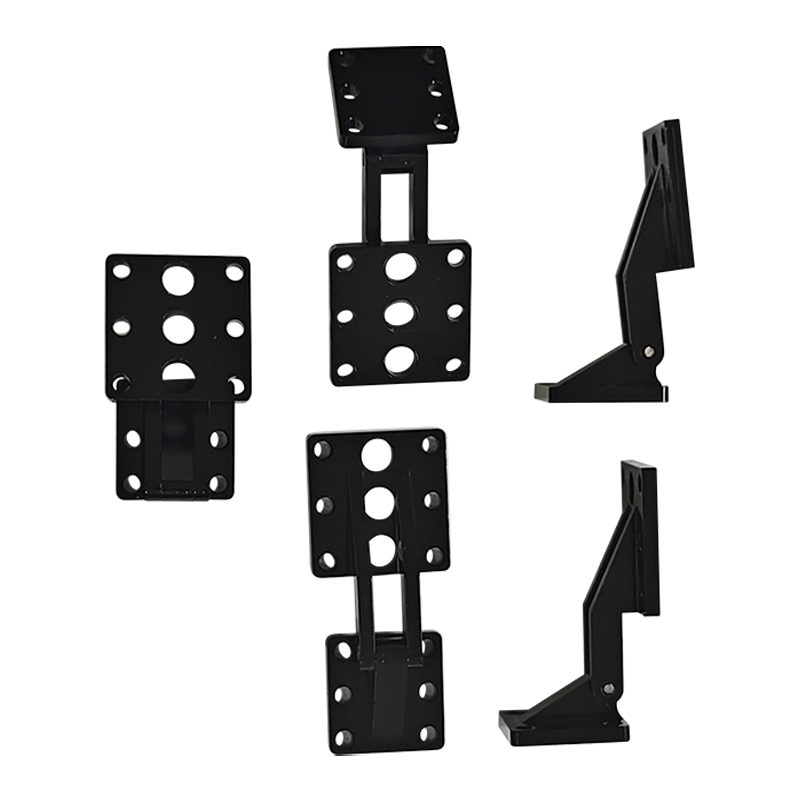
Ps:
1. Please note that the photo does not show actual size, please refer to Description for size details.
2. Please allow 1-3mm differences due to manual measurement, thanks.
3. Due to the difference between different monitors, the image may not reflect the actual color of the item.
Cabin Hinge Overview
A cabin hinge decides whether an access panel still opens cleanly after a season of flying. This one is a single black hinge in aluminium alloy, joined by a pivot that swings freely. It adds very little weight to the model it goes into.
It is made for panels that open for access — cabin hatches, canopies, battery bays and equipment doors on RC model airplanes and drones — not for control surfaces that move with a servo. One leaf screws to the hatch, the other to the fuselage or frame, and the joint carries the panel as it swings.
Most people buy RC plane hinges like this one piece at a time, usually after a hard landing has sheared the original hinge or a moulded plastic one has cracked around its pin. The same part turns up on FPV drone builds where a taped-down equipment hatch should really be a proper door, and on older airframes that club members want to keep flying.
Black is the version we stock, and it sits quietly inside a dark cabin or a foam fuselage. The two leaves are not identical, so it is worth checking which side suits your hatch: the wider leaf usually goes on the fixed frame and the narrower leaf on the moving panel, but a tight hinge line sometimes asks for the opposite.
Key Features
- Wide, free travel — the pivot turns through a large angle instead of stopping at a set point, which is what separates RC plane hinges built for a cabin hatch from the ones pinned into a control surface: the panel opens far enough to clear the canopy or lift a battery out.
- Two leaf widths — one side is wider than the other, so the hinge line can sit where the panel and the frame are not the same thickness.
- Light on the airframe — about 4–4.2 g per unit, the sort of figure that decides whether a hatch can sit behind the centre of gravity without being noticed.
- Screw-fixed, not glued — mounting holes run through both leaves, so the hinge can come off again for a repair or a repaint instead of being cut out of the structure.
- A hinge, not a latch — this part carries a panel that swings open. If your hatch only has to clip shut, a canopy lock is the right piece instead.
Specifications
| Material |
Aluminium alloy |
| Overall length (L) |
40 mm |
| Leaf width, one side |
18 mm |
| Leaf width, other side |
15 mm |
| Unit weight |
About 4–4.2 g |
| Colour |
Black |
| Rotation |
Flexible rotation at large angles |
| Mounting |
Screw holes through both leaves |
| Material properties |
High strength, corrosion resistant |
| Pack quantity |
1 piece |
| Size tolerance |
About 1–3 mm, as each hinge is measured by hand |
| Item reference |
008-00505 |
Fitting & Slot Preparation
- Measure the hatch opening and the panel thickness before anything is cut, so the hinge line sits where both leaves can reach their fixing face.
- Mark the hinge line so the panel closes flush and opens without fouling the canopy, cowl or wing saddle.
- Cut the recess for the leaf, not for the whole hinge. Foam takes a shallow recess with a sharp blade; balsa, ply and light composite frames are usually chiselled to the depth of the leaf.
- Dry-fit the hinge with the panel in place and swing it through its full travel. This is the step where most model airplane parts of this size go wrong — a millimetre of misalignment shows up later as a hatch that sits proud of the fuselage, and moving a pencil mark is easier than filling a hole.
- Screw the leaves down. Pilot-drill first in wood and composite; in foam, seat the leaf in its recess and run a thin bead of foam-safe glue along the edge to spread the load beyond the screws.
- Check the travel again once everything is fixed and look for anything the panel touches at the end of its swing — a hatch that opens onto a servo lead or a battery strap will find it in the air.
- If you buy RC airplane parts in workshop quantities, keep the fixings you tested with the hinge so the next repair matches the first.
- If the recess cannot take your panel, or you need a measurement checked before you commit, send it to us and we will check it against the part and come back to you.
Where This Hinge Fits
- Electric foam trainers and sport planes — the most common home for this part: a cabin hatch or battery bay that is opened before every flight and closed against foam.
- FPV drones with a removable equipment bay — one of the few RC plane hinges that can be screwed to a frame instead of pinned into a slot, which suits a hatch you open between flights to reach the electronics.
- Aerobatic and F3A-style models — access panels on models where the hardware is deliberately kept small and simple, and nothing is added without a reason.
- Built-up balsa and light composite airframes — the leaves screw into a finished frame, so no slot has to be cut into a structure that is already covered.
- Club fleets and repair benches — RC airplane hinges for sale as single units suit a fleet where one aircraft at a time comes in with a hatch that will not close.
- Scratch builds and prototypes — while the hatch geometry is still being worked out, a hinge that unscrews and moves saves rebuilding the panel.
Aluminium & Black Finish
Aluminium alloy is the material behind this hinge, and it is why the part behaves differently from the moulded plastic hinge or latch it often replaces. A metal leaf holds its line when a hatch is pushed closed over a battery that sits slightly proud, and the mounting holes do not strip the way a soft plastic boss can after a few removals. We state high strength and corrosion resistance for this part; in practice that means a hinge that can live in a field box, a damp garage or a model stored between seasons without going brittle on you.
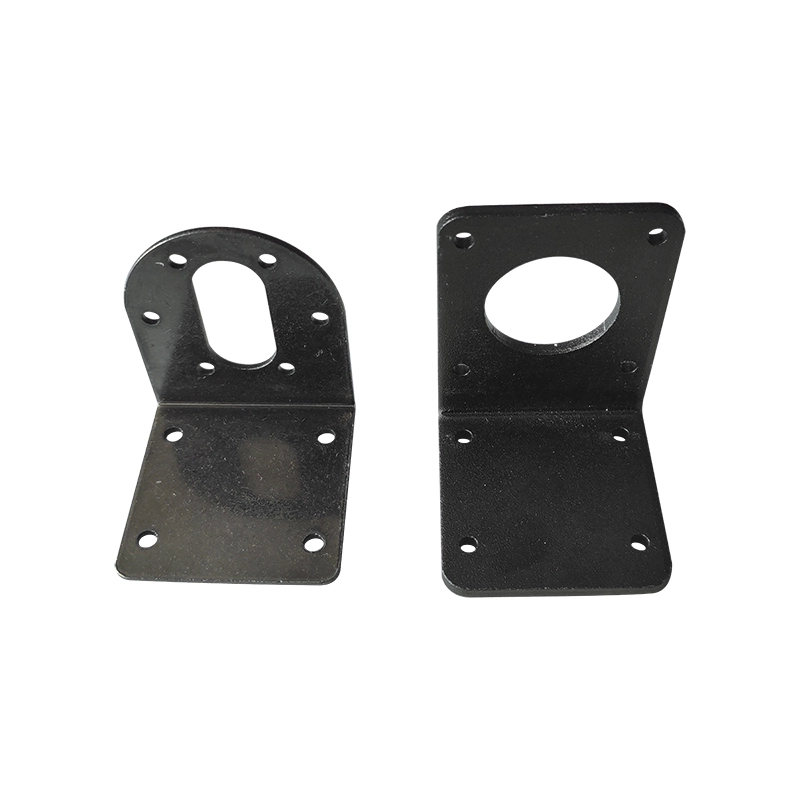
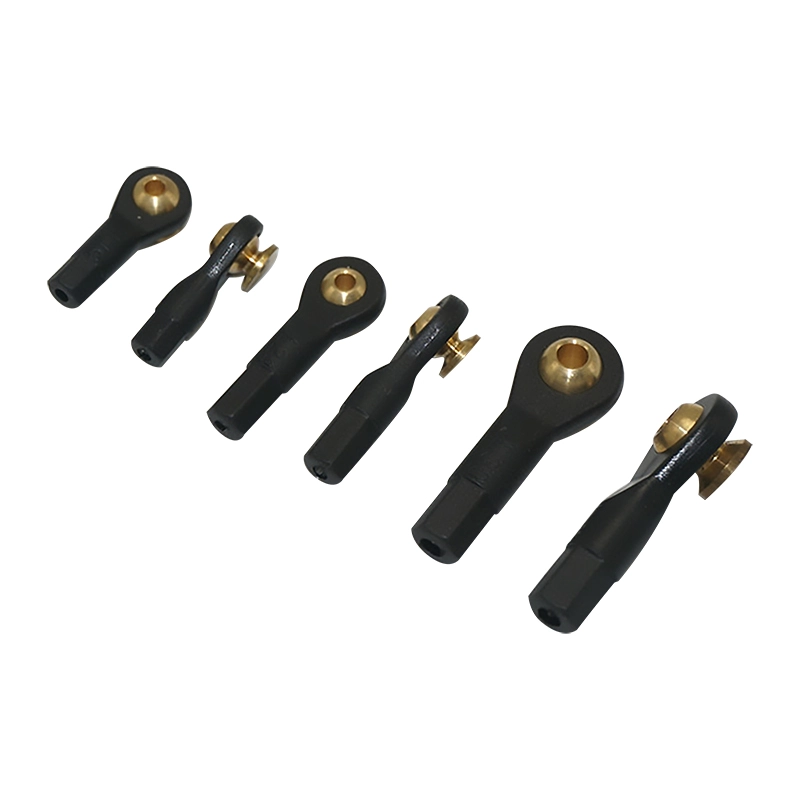
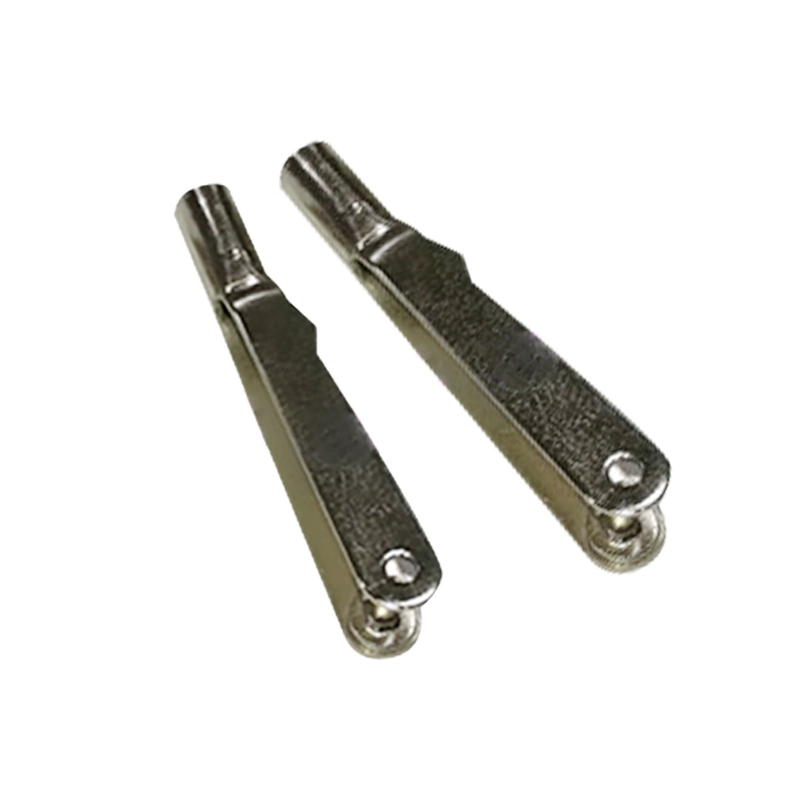
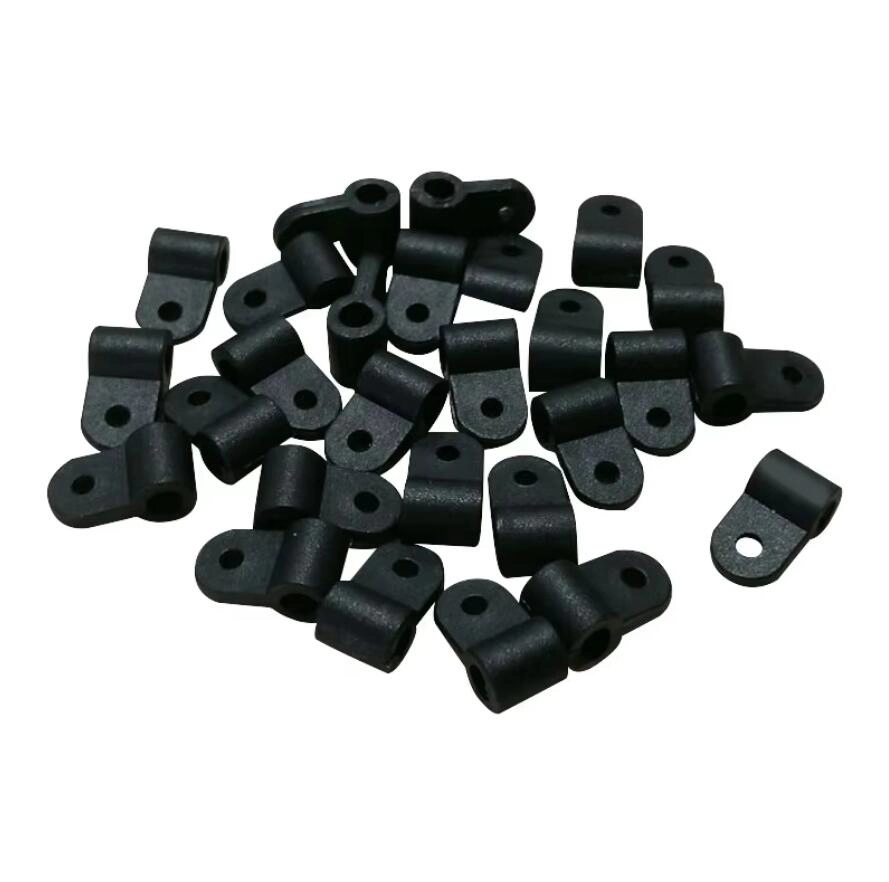
Small metal model airplane parts also behave predictably under a screw — you can feel a fixing seat instead of watching the material give. Black is the finish supplied, and the photographs show a smooth black coating across the leaves and the joint. It reads as a quiet detail inside a dark cabin, and like any working finish it will pick up scuffs on a hatch that is opened and closed all season.
Two limits are worth knowing before you fit one. We do not publish load, torque or fatigue figures for this hinge, so choose it by the size and weight of the panel it carries rather than by a rating. And it is a hobby-model component: it is not made, tested or documented for manned aircraft, or for any job that needs certified structural hardware.
Ordering & Delivery
- Order the number of units the job needs. Each piece is supplied singly, so one hinge covers one hinge point — and a hatch that is opened every flight is easier to live with when there is a spare in the drawer.
- Check the two leaf widths against your hatch first. If the panel thickness or the hinge line is tight, send us the figures and we will confirm before you order.
- Order handling runs 24-48 hours from the point the order is confirmed with us.
- Shipping costs, payment terms and delivery arrangements are quoted per order; confirm them with your sales contact and we will set everything out before anything is dispatched.
- Shops, clubs and dealers can set up repeat supply. If you buy RC airplane parts in quantity, tell us the sizes and quantities you go through and we will keep them available.
- Need the hinge in another size or with a different hole layout? Send a drawing and we will make it to your specification.
- Small hardware is bagged so it arrives complete and countable. If you want single units bagged separately for resale or for repair kits, say so when you order.
- RC airplane hinges for sale in mixed orders: add the screws, latches and hand tools you need for the same hatch, so one order covers the whole job.
Dimensions & Tolerance
- The published measurements cover the hinge itself: overall length from one end to the other, and the widths of the two leaves measured out from the hinge pin. None of those figures is the thickness of the hatch or the frame you are fitting into.
- Pin diameter and leaf thickness are not published for this hinge. If either figure decides whether the part drops into your hatch, send us the measurement you need and we will check it against the actual unit and come back with numbers.
- Cut the recess with a little allowance instead of sizing it dead tight and relying on the number being exact.
- The product photographs are close-ups and do not show the hinge at actual size. Size your recess and your fixing positions from the description figures, not from the image on screen.
- Recess rule: cut to the length and width of the leaf, and deep enough for that leaf to sit flush in the face it mounts to. Leave a small relief behind the hinge pin so the panel closes without the knuckle standing proud of the surface.
- We do not quote a minimum or maximum panel thickness for this cabin hinge. The practical check is the material left around the screws: enough wood, ply or foam behind each leaf for the fixing to hold, and a recess shallow enough that the hatch still meets its frame.
- On foam airframes the skin compresses under a screw, so keep the pilot hole small and run a thin bead of foam-safe glue along the leaf to spread the load. Foam hatches are usually cut with a sharp blade rather than chiselled.
- On balsa, ply and light composite frames, chisel the recess to the depth of the leaf, pilot-drill every hole, and harden balsa with a drop of thin CA so the screw bites instead of crushing the wood.
- Black is the colour supplied, and the hinge in the bag is the reference. Lighting and monitor settings can make the same coating look grey, blue-black or deep black in a photograph, so treat the image as a guide rather than a colour match.
- If a batch of model airplane parts has to sit next to a hatch you already fly, or you want one consistent tone across a shop shelf, take a single unit first and compare it before you commit to volume. The same applies when ordering RC airplane hinges for a club or a repair bench and you need the whole run to measure and read the same.
Scale & Supply Capability
Compo RC is part of Haoye Model, working in RC accessories since 1999 — 25+ years of experience, an ISO 9001 certification dating back to 2002, and 1,200+ dedicated moulds behind the range. A 6,000 m² production base and a catalogue of 3,000+ items mean you can source the many small parts a build needs from one place. Need a size we don't list? Send your drawing and we'll make it to your specification. Unsure whether something will suit your build? Our team will help you check before you order.
FAQ
Q1. What is this cabin hinge designed to hold?
An access panel rather than a flying surface: cabin hatches, canopies, battery bays and equipment doors on RC model airplanes and drones. Both leaves screw down — one to the panel, one to the frame — and the pivot lets the panel swing clear. If you are hinging an aileron, elevator or rudder, you want a control-surface hinge sized to the surface instead, because those are pinned into a slot rather than screwed to a hatch.
Q2. How does it compare with the pin hinges in the range?
A pin hinge is chosen by pin diameter and length and is pushed into a drilled slot in the surface itself. This cabin hinge is chosen by hinge-line length and leaf width, and it fixes with screws through two flat leaves, so it can be removed again without cutting into the panel. Choose it when the panel has a frame behind it and you want a metal RC plane hinge with a wide, free swing; choose a pin hinge when the moving surface is the hinge line.
Q3. Will the hatch stay open on its own?
The pivot rotates freely through a wide angle rather than locking at a set position. If the hatch needs to hold a raised position — while you swap a battery, for example — add a simple stay or prop instead of relying on the hinge. That is normal practice on model hatches, and it keeps the joint free to do its own job.
Q4. What should I check before I order?
Three things. First, the two leaf widths against your hinge line and panel thickness. Second, the tolerance, so leave a little room in the recess rather than cutting dead tight. Third, the colour — a black coating can look slightly different depending on your screen, so treat the photo as a guide and the supplied black as the reference. At this scale, model airplane parts can look identical in a photograph and differ slightly, which is why we would rather have your measurements than have you guess from an image.
Q5. Are screws included with the hinge?
The hinge is supplied on its own, with no fixings in the bag. Match the screw to the hole and to the thickness of the material it goes into; hex socket cap screws from the same fastener range are a common pairing on model frames, and a small amount of threadlock keeps a metal-to-metal fixing from working loose in flight. If you are not sure which length suits your frame, tell us the material and the thickness and we will point you to the right one.
Q6. How should I look after the hinge?
Very little is needed. Check the screws after the first few flights, because a new fixing in wood or composite settles as it seats, and check them again at the start of a season. Keep grit out of the joint — a brush and a drop of light oil a couple of times a year is enough on a model that flies often. If the aircraft takes a hard knock, replace the hinge rather than bending it straight, and avoid forcing the panel past its travel when you are loading a battery in a hurry.