The Stall
By Compo RC
October 29th, 2026
28 views
Many RC pilots, even those with plenty of flight time, struggle to fully understand stalls. What is a stall, what causes it, when can it happen, and most importantly, how can you avoid it?
A stall happens when the wing can no longer create enough lift to support the aircraft's weight. It does not only occur at low speed during steady level flight; a stall can take place in nearly any flight attitude. One critical factor for RC models is weight. Lighter models deliver better flight performance and have a lower stall speed. This rule applies to all sizes of RC planes. It is a common misconception that a heavily built, strong airframe will survive a crash. No matter how much reinforcement you add, the model will always break at its weakest point on impact.
Take two identical airframes for comparison: one weighs 6 lbs and the other 7 lbs. The lighter version stalls at a slower speed. The heavier model must fly faster to produce enough lift to stay airborne. A lower stall speed means slower landing speeds, which lowers the chance of damage during hard landings. A slower final approach also gives you extra time to correct the plane’s attitude, keep the wings level, and stay lined up with the runway.
For straight-and-level flight, suppose your model has a stall speed of 25 MPH. This speed is ideal for flaring and touching down. But stall speed rises sharply in turns. At a 30° bank angle, stall speed may climb to roughly 30 MPH. At 45° of bank, it can reach around 45 MPH. With a 60° bank, stall speed may hit 50 to 55 MPH. As bank angle increases, stall speed goes up quickly. Adding up elevator during the turn creates induced drag and bleeds off airspeed. If you fail to notice this, the plane can lose altitude fast and crash without quick correction. This risk is even higher for EDF jets, since less airflow passes over the flying surfaces. Propeller-driven planes get prop wash over the elevator and rudder, but the ailerons near the wingtips receive very little of this airflow.
The downwind-to-final turn in your landing pattern is one of the most common spots for stalls. You reduce power and descend on the downwind leg, then make sequential 90° turns for base and final approach. That last turn onto final is where many unexpected stalls happen. Rolling into a bank while applying up elevator and rudder creates control inputs similar to those that trigger a spin. Always keep this final turn gentle and shallow.
Everything can look perfect on final approach until one wing suddenly drops. This is a tip stall. A tip stall occurs when the wingtip stops producing lift, while the wing root still generates lift. With more lift at the center of the wing, the tip drops away. Tip stalls are most common on tapered wings, and lighter airframes are less prone to this issue. Once your model is fully built, your options are limited. One practical fix is to set slight up deflection on both ailerons, between 1/32” and 1/16” above the trailing edge. This introduces washout and delays tip stall. Larger adjustments must be handled at the design and build stage. Keep in mind washout only works in upright flight. When flying inverted, this same setup becomes wash-in and has the opposite effect. This is fine if you mostly fly upright, or only fly inverted at half throttle or higher.
Aerobatic planes are intentionally designed to allow predictable tip stalls, snap rolls and spins.
We will also cover power stalls. During takeoff, your plane lifts off and starts a gentle climb. If you pull for a steeper climb angle, airspeed drops even at full throttle. Pulling more up elevator only makes the problem worse. Without fast action, a power stall and crash will follow. The correct recovery is to push the nose down to regain airspeed.
The core rule for stall recovery is simple: restore enough airspeed so the wing can generate lift again. You may also need to level the wings first, depending on the plane’s attitude.
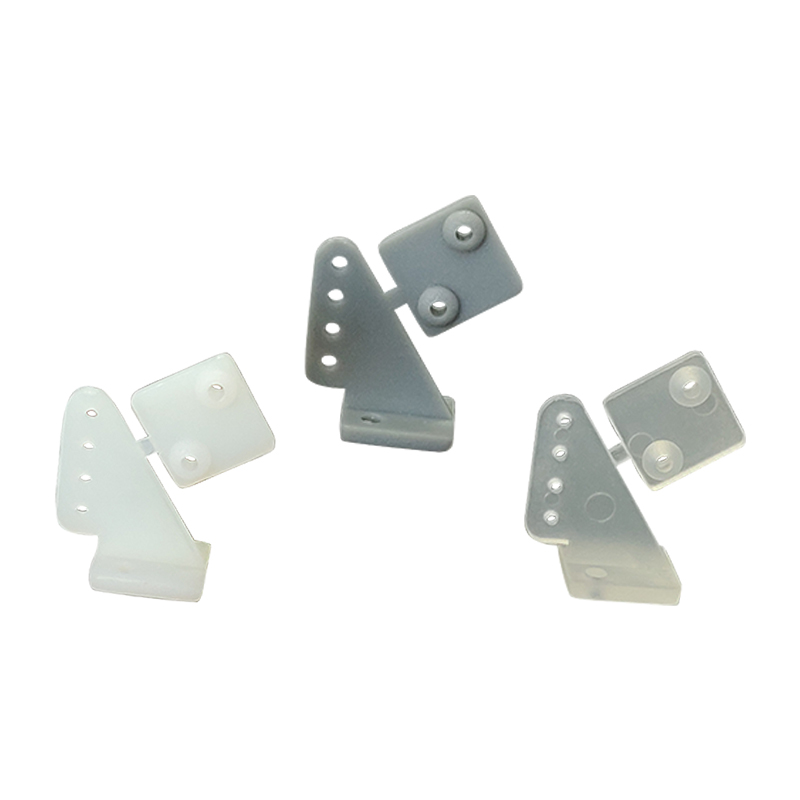
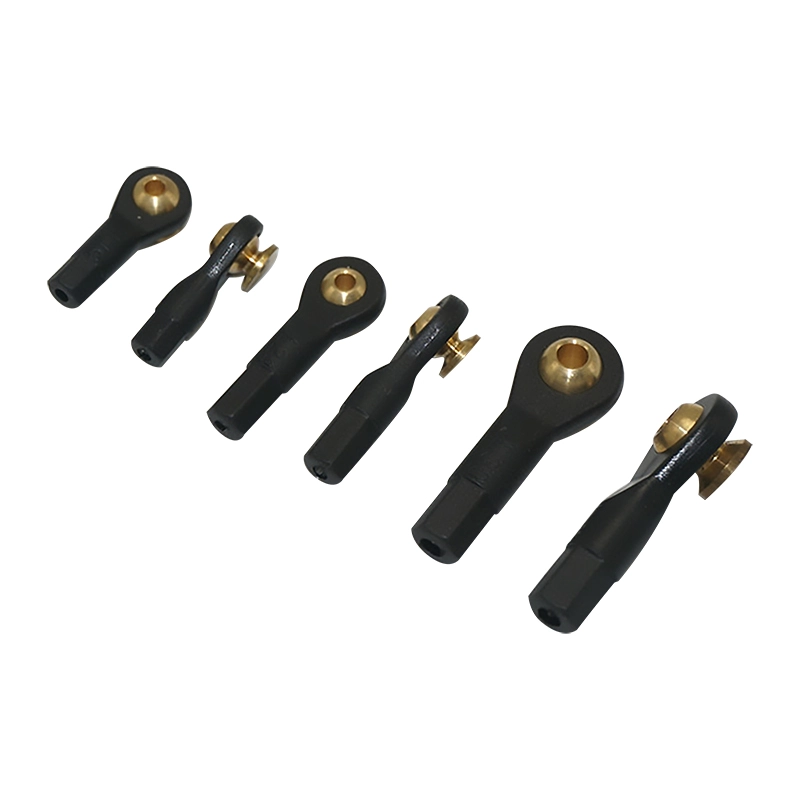
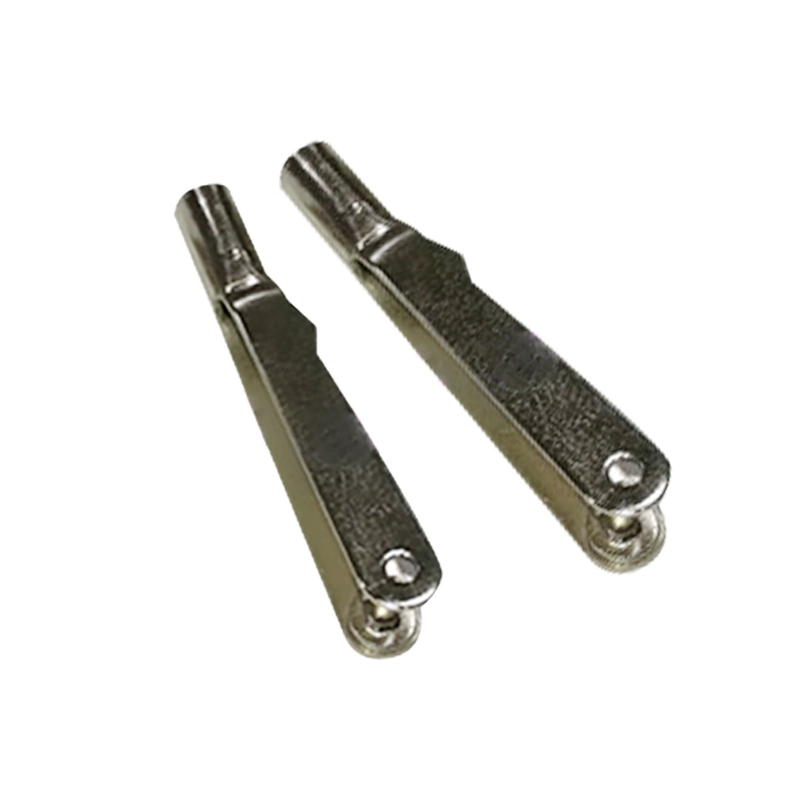
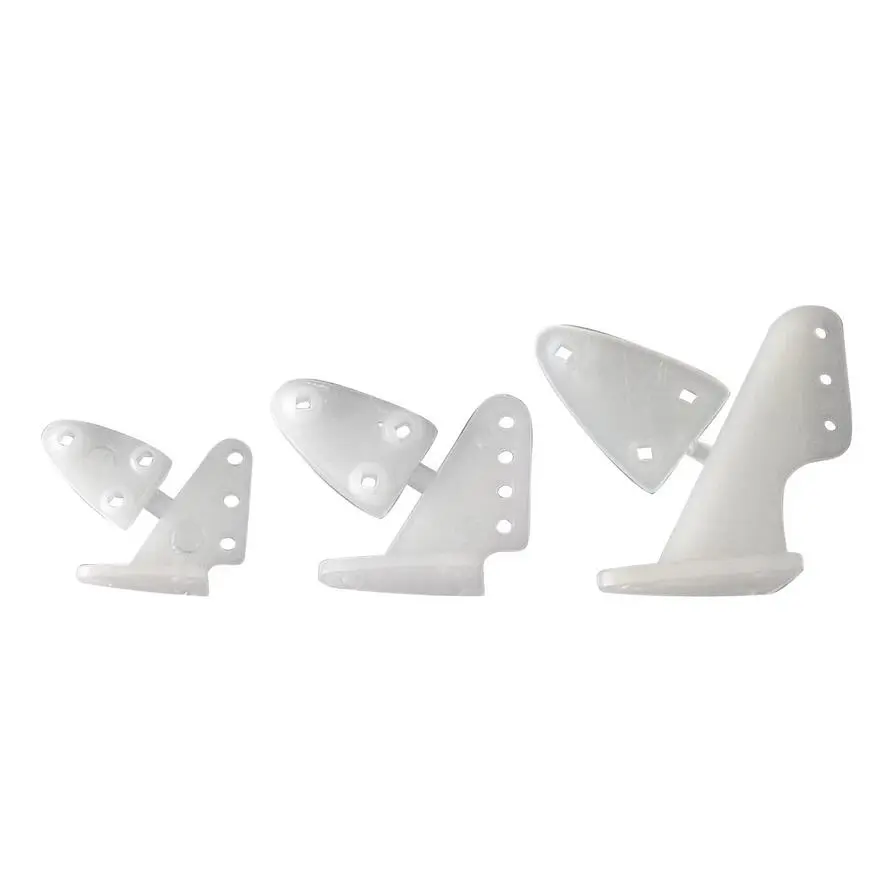
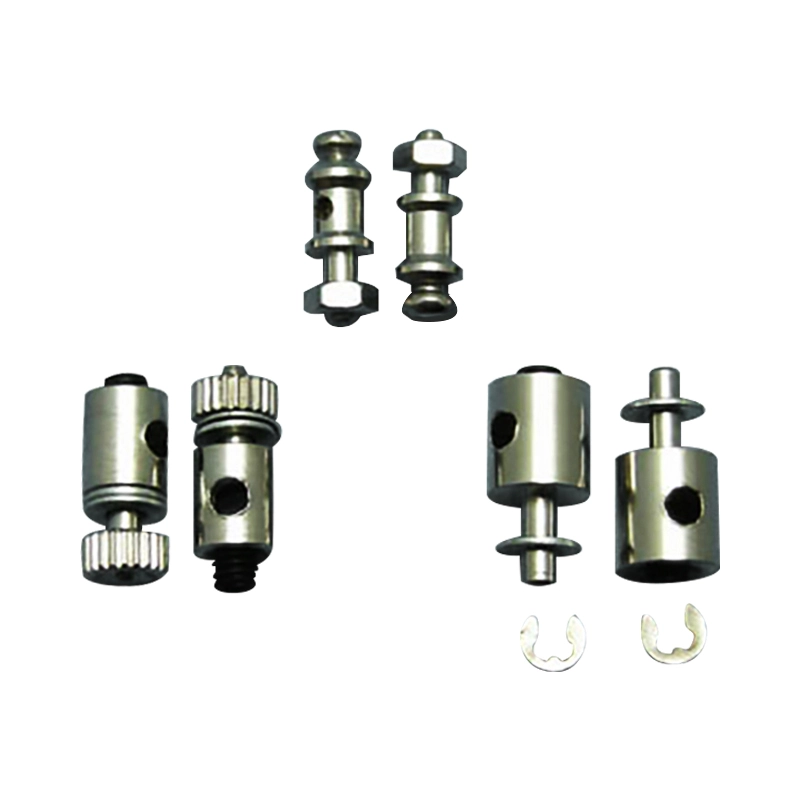
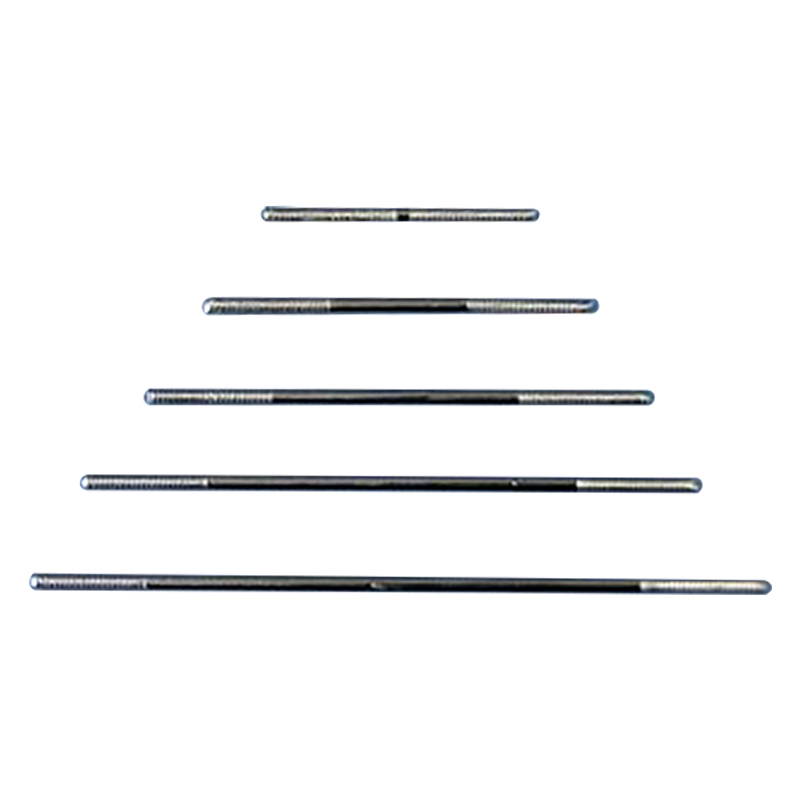
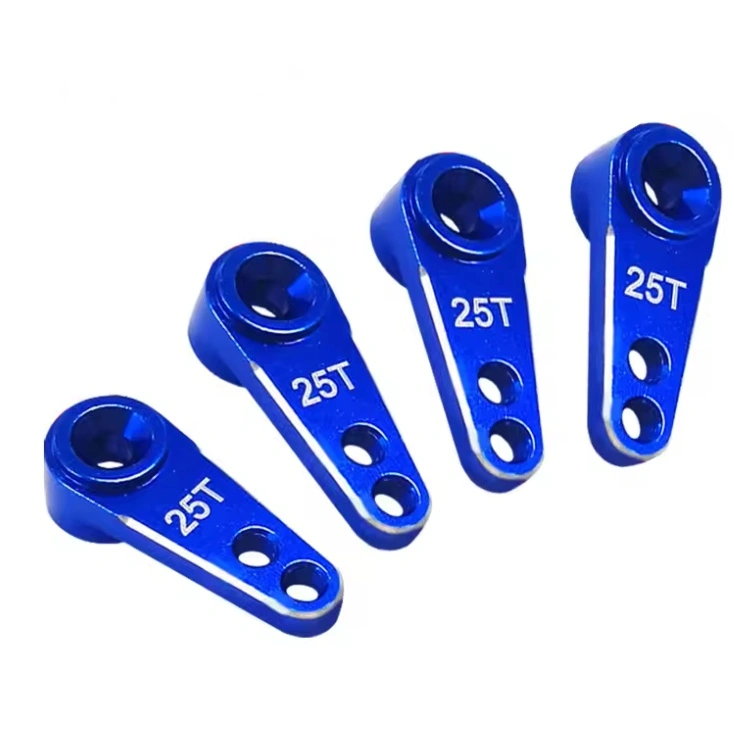
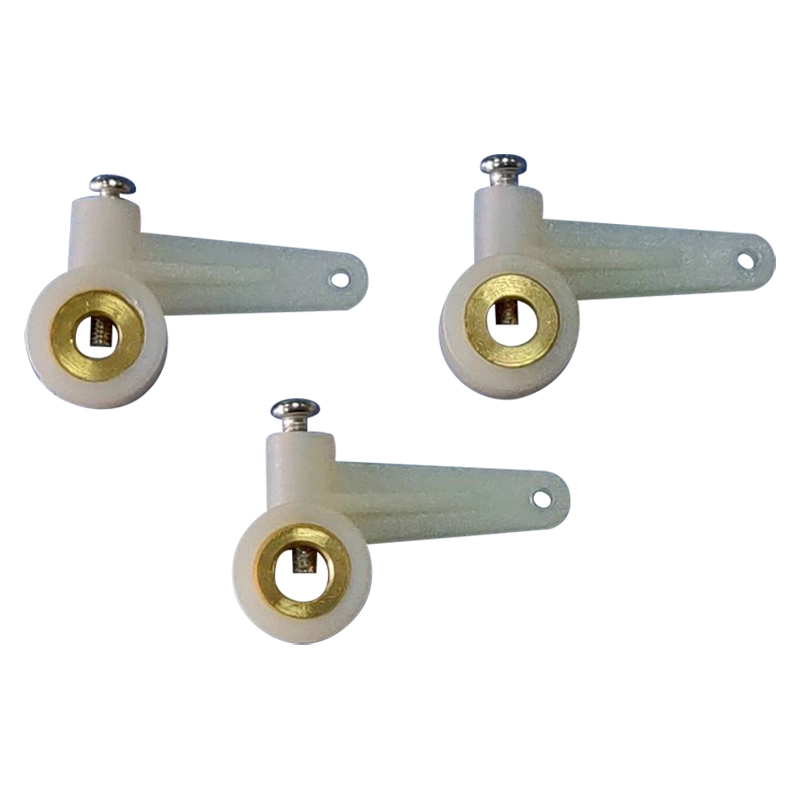
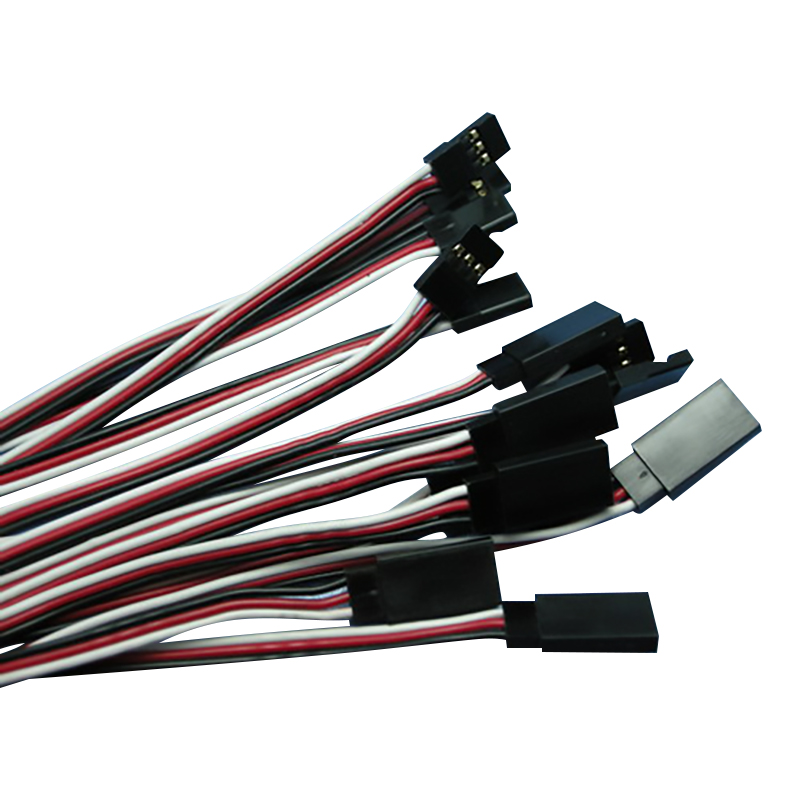
Understanding stalls helps you avoid preventable crashes and diagnose crashes that seem to happen without clear reason. Properly fitted control horns, clevises and pushrods keep your control surfaces responding accurately, an important detail for stable flight and stall prevention.
Previous
Balancing Your Low Wing Warbird With Retractable Gear
Read More
Next
Five Canopy Latches for Flight Box Spares and Trial Fitting
Read More