EN

Setting an accurate center of gravity (CG) is one of the most critical pre-flight steps for any warbird model. For low-wing aircraft fitted with retractable landing gear, pilots often run into two common questions: should you balance with the gear retracted or deployed? And is it better to balance the model right-side up or upside down?
There is no single universal answer that works for every build. This guide breaks down the pros and cons of each method, so you can choose the approach that best fits your model and flying style.
Both methods have valid logic behind them, and each comes with trade-offs.
When you set your CG with the landing gear pulled up, you are balancing the model in its standard cruising flight configuration. The trade-off: when you lower the gear for takeoff and landing, the weight and position of the landing gear will shift the CG either forward or aft. You will need to compensate for this shift with transmitter trim, flight mode mixes, or manual stick input during flight.
Setting CG with the gear down gives you ideal balance for takeoff and landing, the phases of flight where CG matters most for new or low-speed flight. The trade-off: once you retract the gear in the air, the CG will shift again. This change happens at altitude, leaving very little room for error if the handling becomes unpredictable.
Whichever method you choose, always perform a ground test first. Cycle the gear up and down and observe how the model’s balance reacts. If your transmitter supports custom mixes, program a small elevator mix to automatically counterbalance the CG shift when the gear retracts or extends.
For example: if you balance your warbird with gear down, retracting the gear will often make the model tail-heavy. A small amount of pre-programmed down elevator in the gear retract mix will gently drop the nose and offset this tail-heavy tendency.
For low-wing warbirds, there are also two common balancing positions, and neither is technically incorrect.
Most RC pilots balance low-wing models upside down, and the reason is simple physics. The actual CG point of a low-wing aircraft sits inside the fuselage, above the wing. When balanced right-side up, this CG point sits above your support stand, making the model tippy and hard to settle — like balancing an object on the tip of a blade.
When flipped upside down, the CG point hangs below the wing. This position is naturally more stable, so it is much easier to find the exact balance point and take consistent measurements.
This does not mean right-side-up balancing is inaccurate. You can achieve a perfectly correct CG either way. Inverted balancing is simply the more practical, beginner-friendly method for most low-wing builds.
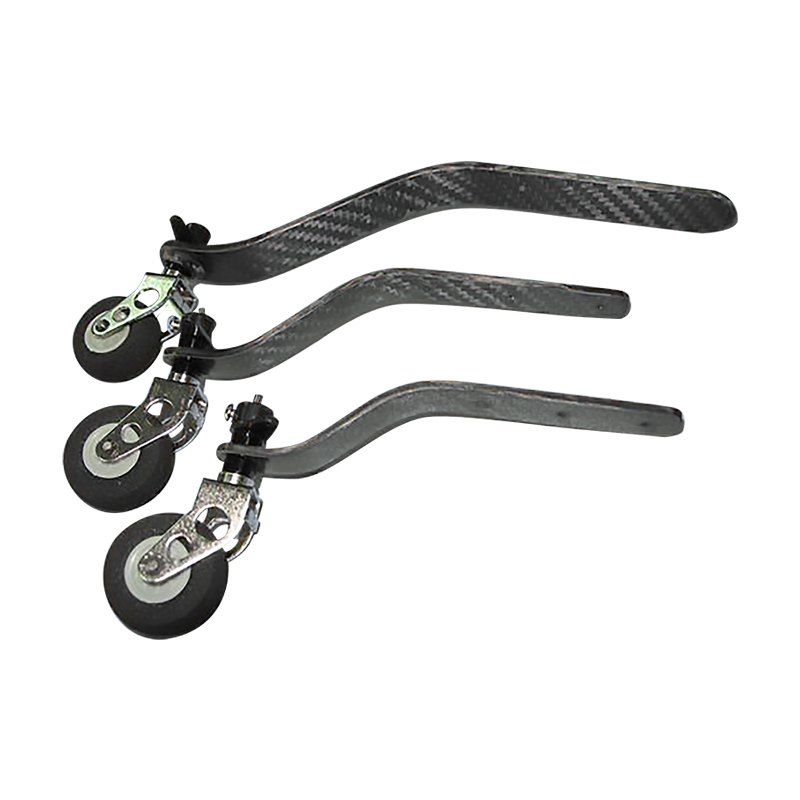
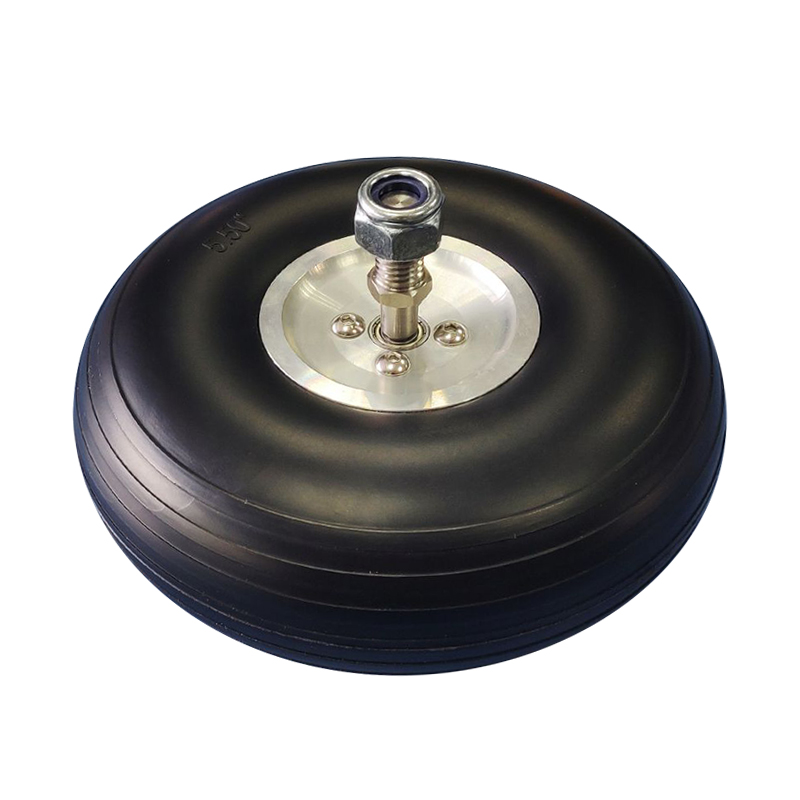
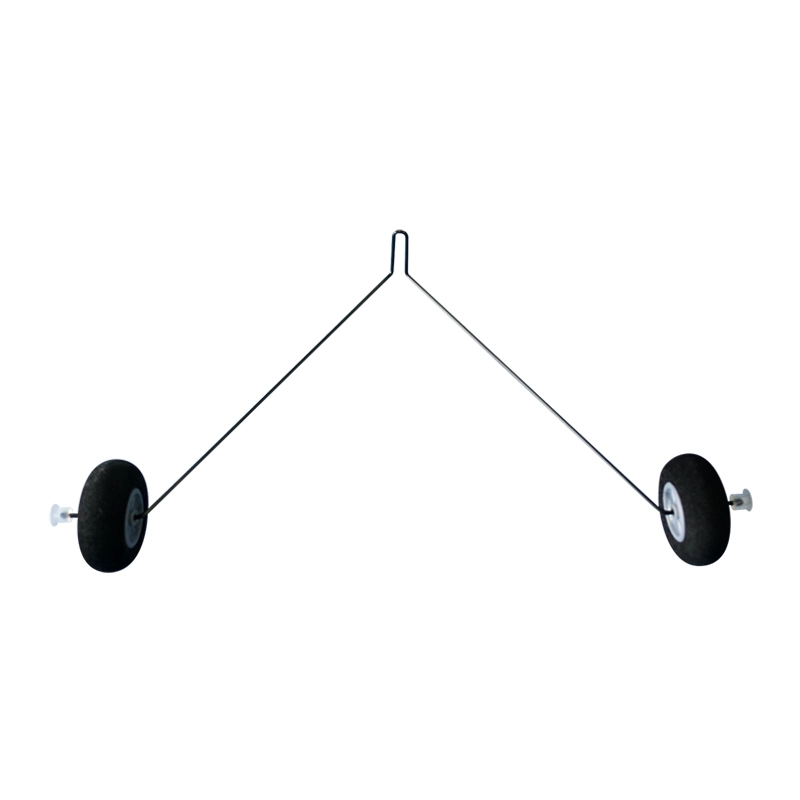
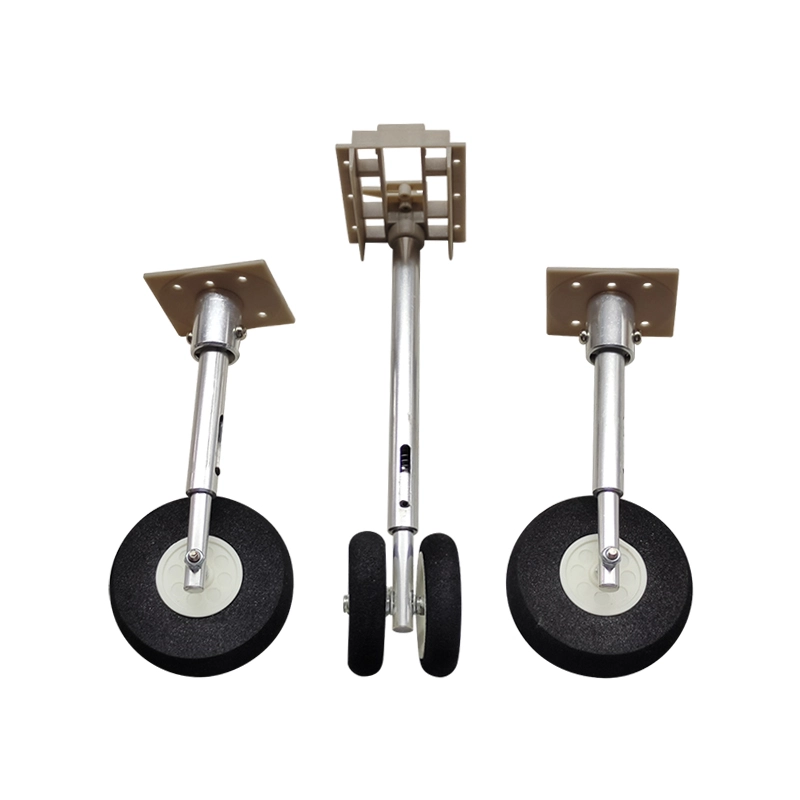
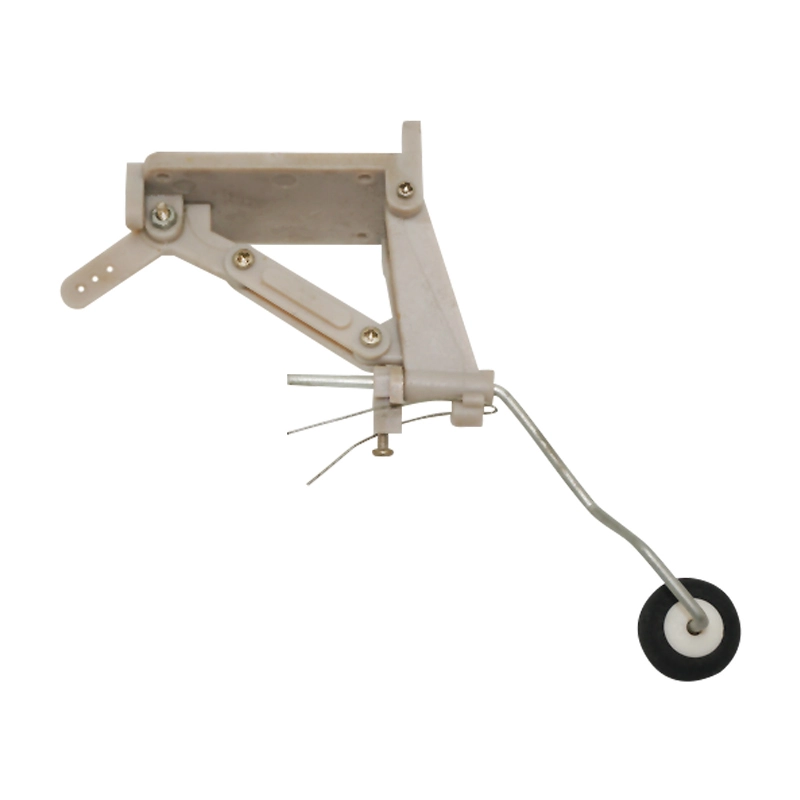
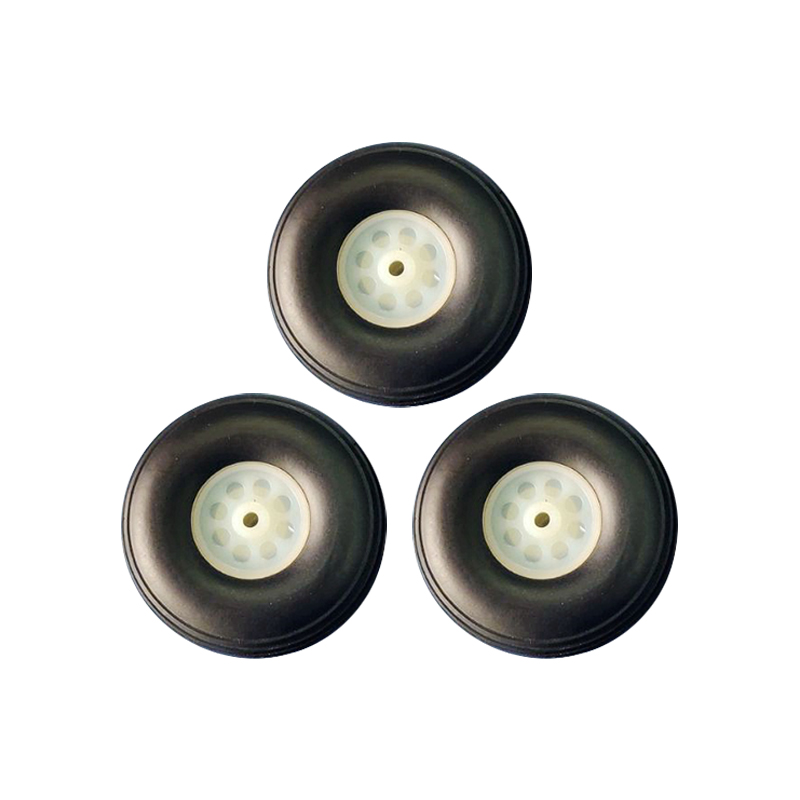
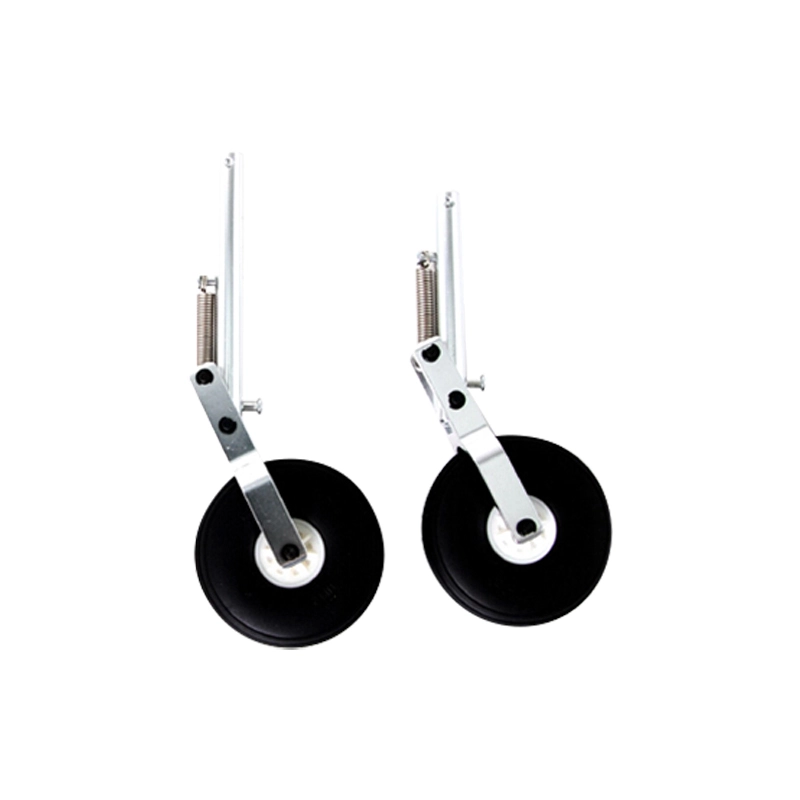
If you replace your stock landing gear with different hardware — such as metal retract units, carbon fiber landing gear struts, or upgraded tail wheel assemblies — the total weight and weight distribution will change. Any time you modify landing gear components, you must recheck and readjust your CG before the next flight. Even a small weight shift can have a noticeable effect on flight handling and stability.
Balancing a low-wing warbird with retractable gear comes down to understanding the trade-offs and choosing the method that matches how you fly. Take the time to test on the ground, use transmitter mixes to compensate for gear-related CG shifts, and always recheck balance after any hardware change.
If you are looking for replacement retractable landing gear, tail wheel assemblies, carbon fiber struts, or other airframe hardware for your warbird build, browse our full range of RC model landing gear parts.
Copyright © 2005-2026 MySite Ltd. All Rights Reserved. POWERED BY UEESHOP