EN

Introduction: Screwless control horns on foam RC models work as an assembly choice, and their success depends on foam type, surface prep, and control-load direction.
Foam model builders often run into the same small decision: how to attach a control horn when the wing or tail surface is too thin or too soft for a conventional screw plate. A screw can pull through foam, strip a pilot hole, or crush the surface before it holds. The Without Screws format flips the problem. Instead of treating the horn as a screw-on part, it treats the horn as a bonded or pin-supported part that can be fitted to the actual foam thickness. That is why screwless pin horns appear on many foam models. this guide explains the mounting logic, what adhesive bonding demands, and how load direction changes the choice.
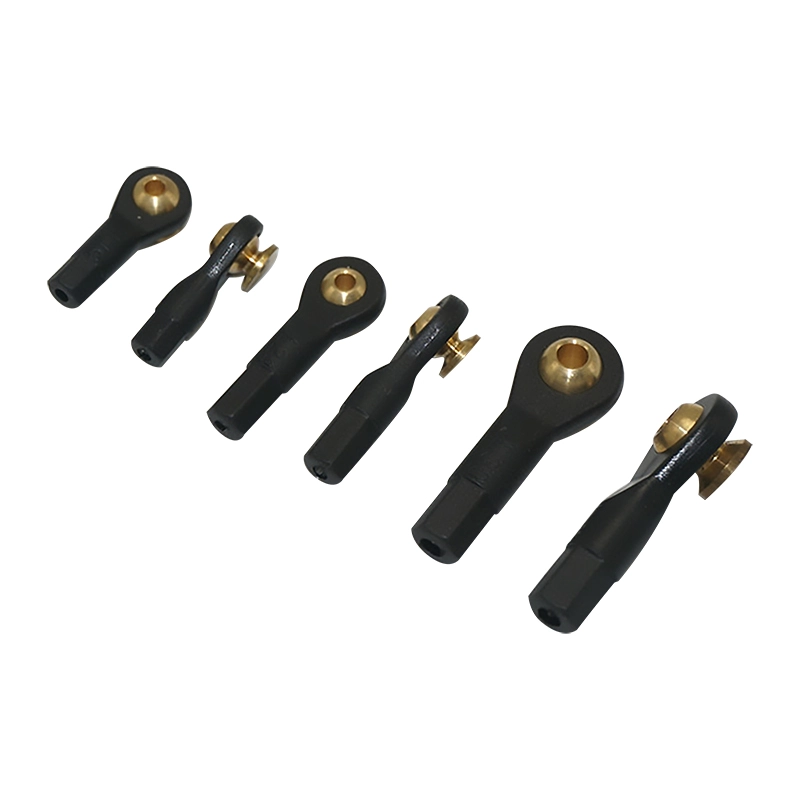
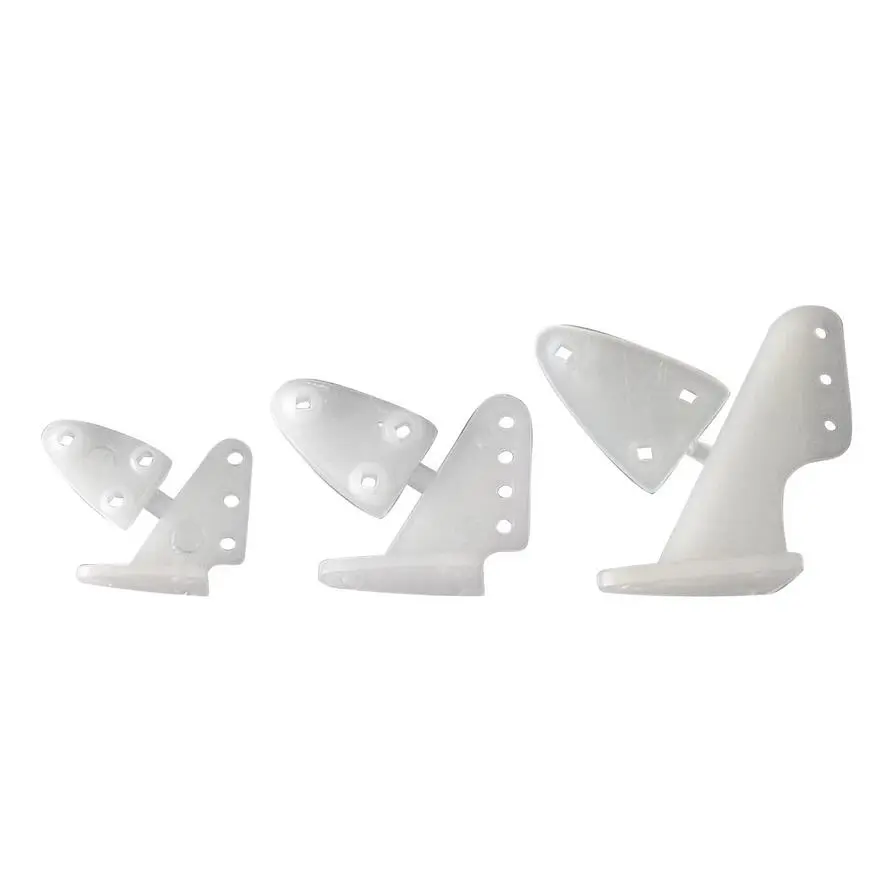
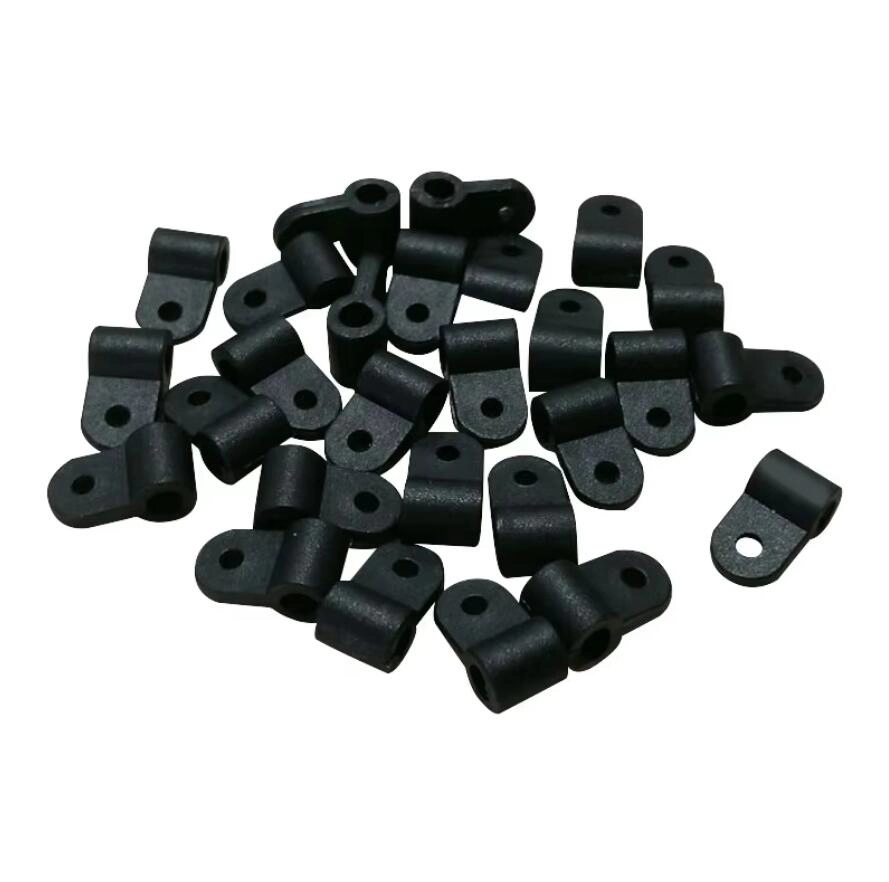
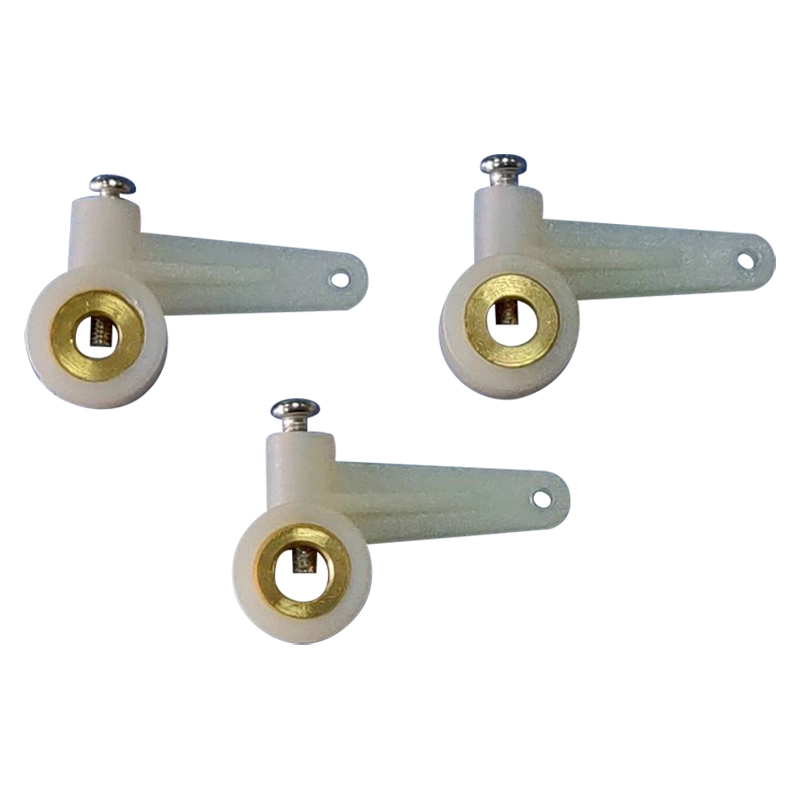
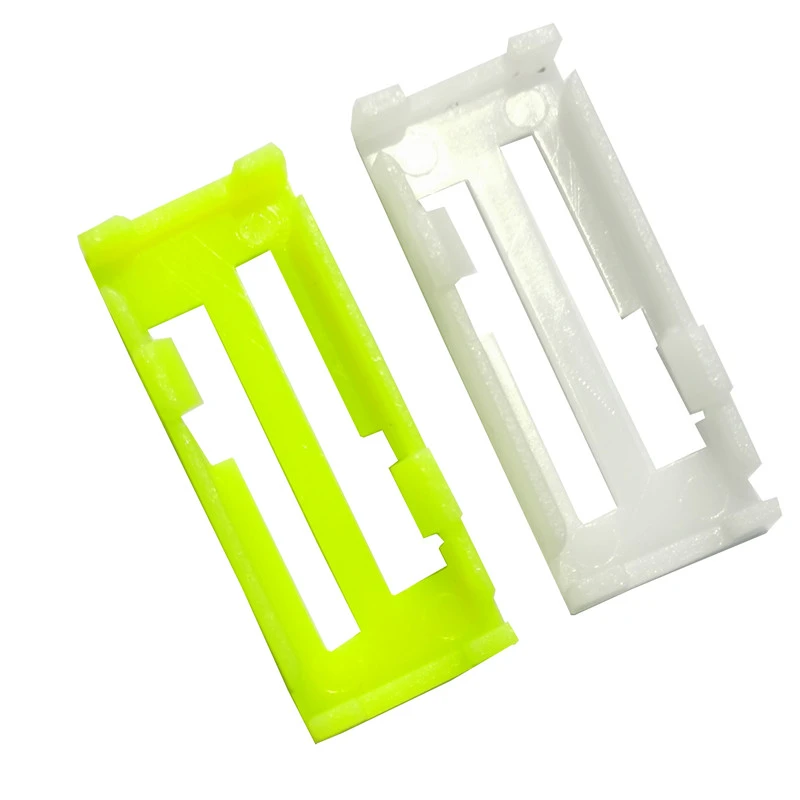
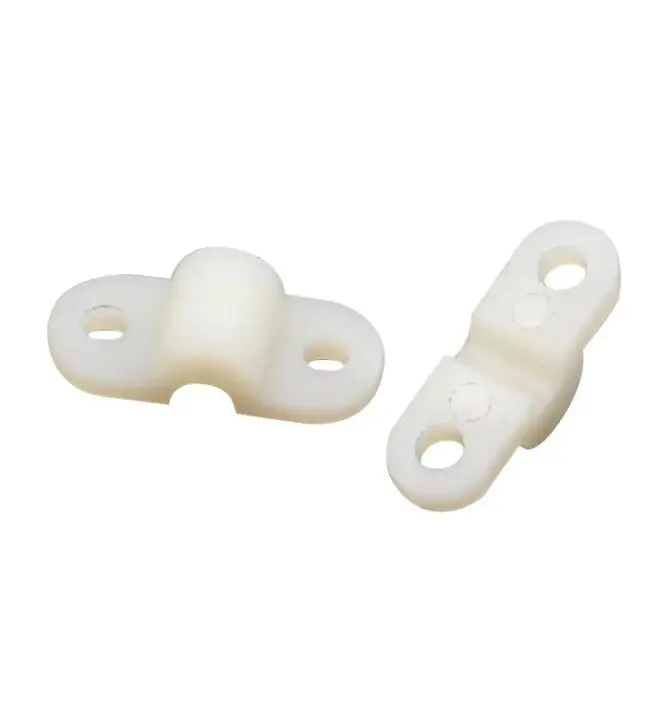
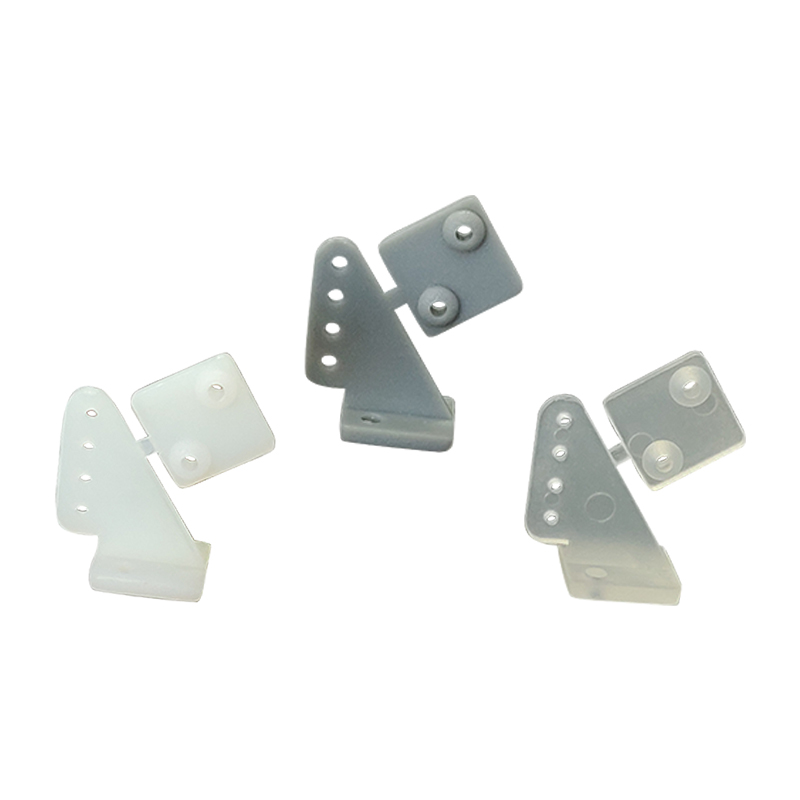
Foam is not a uniform substrate. Depron, EPP, EPO, and paper-skinned foam board have different density, skin, and crush resistance. A screw needs material to bite. On thin foam, the screw may pass through or create a hard point that cracks. A pin-style base or zip horn base spreads contact differently: the pin or toothed base can pass through or sit into the foam, while the horn body stays above the surface. Many nylon control horns for foam models are sold this way because the nylon material keeps the part light, which matters on small electric models. The 10-piece pack supports aileron and elevator connections across several repairs or builds. No screws are included, so builders supply the fixing method. The no-screw format is assembly freedom for foam thickness. A builder can choose a short pin, a bonded base, or a small user-supplied fastener depending on the foam. On a thin aileron, a screw may be impossible to use without a backing plate. On a thicker EPO wing, a pin base can sit in a recess. On a foam board trainer, the paper skin may need different preparation than bare foam. This is not a missing-hardware defect. It is a design that leaves the fastening decision open because foam models vary so much. The tradeoff is that the builder must understand the substrate and the load. A screwless nylon control horn is a good fit for light foam models where control loads are modest and the installation is done with care.
When mechanical fasteners are omitted, the joint depends on adhesion or on a pin base locked into the foam. Adhesion is not just applying an adhesive to foam. The adhesive must wet the surface, and the foam substrate must offer a stable surface to bond to. General bonding guidance from 3M and Adhesives/Sealants. org points to surface condition, material compatibility, and joint design as the main variables. On foam models, those variables show up as skin type, dust, mold release, flexibility, and contact area.
In short, glue-in mounting on foam is a system. The adhesive, the foam, the surface, and the cure all need to work together. A screwless RC control horn can work well when the joint is designed for the load and the foam is suitable. It is less suitable when the foam is soft, the contact area is tiny, or the surface is contaminated. The Without Screws format makes the builder responsible for that system, which is why conservative choices matter.
Control loads start at the servo, travel through the pushrod, and enter the horn at the linkage hole. From there, the load goes through the horn body into the base and then into the foam or adhesive joint. The direction of the load changes with surface movement. An aileron horn sees loads that push and pull along the pushrod, with some side load as the surface deflects. An elevator horn sees similar push-pull loads but often in a different plane. If the bond or pin base is weak, the horn can rock, twist, or pull away. The surface then moves less than commanded, or the linkage binds. AMA safety material stresses secure control linkages and preflight checks because a loose horn can change how a model responds. Fixing choices should match the load path. A pin base that passes into foam can provide mechanical keying, but it needs enough surrounding foam to resist pull-out. A bonded base needs enough contact area and a foam surface that the adhesive can grip. A user-supplied screw or backing plate can add clamping force, but it also adds a hard point that may crack thin foam if over-tightened. The best choice depends on model size, foam density, control surface stiffness, and expected flight loads. Screwless mounting is not a universal answer. It suits light electric foam models, trainers, and small aileron or elevator linkages. On larger, faster, or heavier models, a more positive mechanical fixing method is usually the better path. The 3-hole and 4-hole nylon horns give the builder hole options for travel and resolution, but the mounting joint still has to carry the load. For many rc control horns, the joint is the weak link. Readers can inspect the Compo RC 10-piece nylon pin horn pack for its Without Screws format and S/M/L variants, then decide whether that mounting method fits their airframe.
Screwless control horns on foam RC models are not a missing-hardware problem. They are a mounting choice that trades a screw plate for substrate-aware bonding or pin support. The key variables are foam type, surface preparation, contact area, cure, and load direction. A nylon pin horn or zip horn base can work well on light foam models when the joint is prepared properly and the loads stay modest. Builders should test adhesive on scrap, keep the bond clean, and check the linkage before flight. The product facts point to a 10-piece nylon set without screws, so the fixing method remains user-supplied. That is the point: the format leaves room for the right method on the right foam.
A:Foam is often too thin, soft, or crush-prone for a screw to hold well. A screw can pull through, strip, or create a stress point. A screwless pin horn or bonded base lets the builder match the fixing method to the foam thickness and density. On light electric models, that flexibility is more useful than a standard screw plate. The tradeoff is that the builder must choose and prepare the fixing method.
A:Yes, but the result depends on the foam and the adhesive. Some foams have skins, coatings, or low surface energy that make bonding harder. Others can be softened or damaged by certain adhesives. A clean surface, a test on scrap foam, and full contact at the base all matter. The horn should not be loaded until the adhesive has cured according to its maker's instructions. Screwless mounting works best when the joint is matched to the foam.
A:It is held by a combination of the pin or zip base engaging the foam and the adhesive bond around the base. The pin base can provide mechanical keying, while the adhesive spreads load across the contact area. On some builds, a user-supplied screw or backing plate may add clamping force. The joint relies on foam condition, surface preparation, contact area, and cure quality. A secure control linkage matters because a loose horn can change control response.
The Science of Adhesion: Bonding & Assembly Education | 3M
Adhesives & Sealants Overview | Adhesives/Sealants.org
10 Pcs Nylon Pin Horn/ Zip Horns Without Screws 3 Hole/4 Hole
Copyright © 2005-2026 MySite Ltd. All Rights Reserved. POWERED BY UEESHOP