EN

Flutter is a destructive aerodynamic instability caused by the interaction of aerodynamic, inertial, and elastic forces, a field known as aeroelasticity. This phenomenon is not limited to full-size aircraft. The famous Tacoma Narrows Bridge collapse in 1940 was triggered by this same aeroelastic flutter, at just 42 mph of wind.
Early aviation engineers discovered control surface flutter in the World War I era, as aircraft speeds rose. Left unchecked, it leads to structural failure and aircraft loss. RC models face this same hazard. Many unexplained RC crashes stem from flutter, and pilots often never identify the real cause. Risk increases with airspeed and model performance. Every aircraft has a maximum safe airspeed called VNE, or Velocity Never Exceed. Full-size aircraft display this limit in the cockpit, yet RC models rarely list this rating in manuals. Stock aircraft usually stay safely under this threshold, but upgrading motors or fan units for higher speed pushes the model closer to its limit and greatly raises flutter risk. The first warning sign is usually a distinct buzzing or rattling sound coming from the control surface.
All aircraft structures flex under load, including wings, tail surfaces and their attached control surfaces. Flutter starts as minor vibration, then builds into violent oscillation as airspeed rises. If it continues, oscillation will quickly fracture components. If you detect flutter mid-flight, reduce throttle, decrease airspeed and land promptly.
Statically balancing your control surfaces is the most reliable way to prevent flutter. Proper mass balance also reduces wear and load on your servo gear train.
To understand the principle, take an elevator disconnected from its servo and free to hang on its hinges. In an unbalanced state, the surface will hang fully downward, a tail-heavy condition. The same is true for ailerons. A tail-heavy control surface will eventually flutter at some airspeed, and that threshold speed is impossible to predict accurately.
The solution is to add weight forward of the hinge line.
Perfect precision is not required. Even a small amount of weight added forward of the hinge line will greatly reduce flutter risk.
Note that weight added to the trailing edge of a control surface increases flutter risk. For example, mud and grass buildup on the elevator trailing edge from grass runways can create enough tail-heavy bias to trigger flutter. This should be part of every preflight walkaround check.
It is a common myth that removing all backlash from pushrods and clevises will stop flutter on its own. While tight linkage is good practice, mass balance is the only reliable solution for preventing control surface flutter.
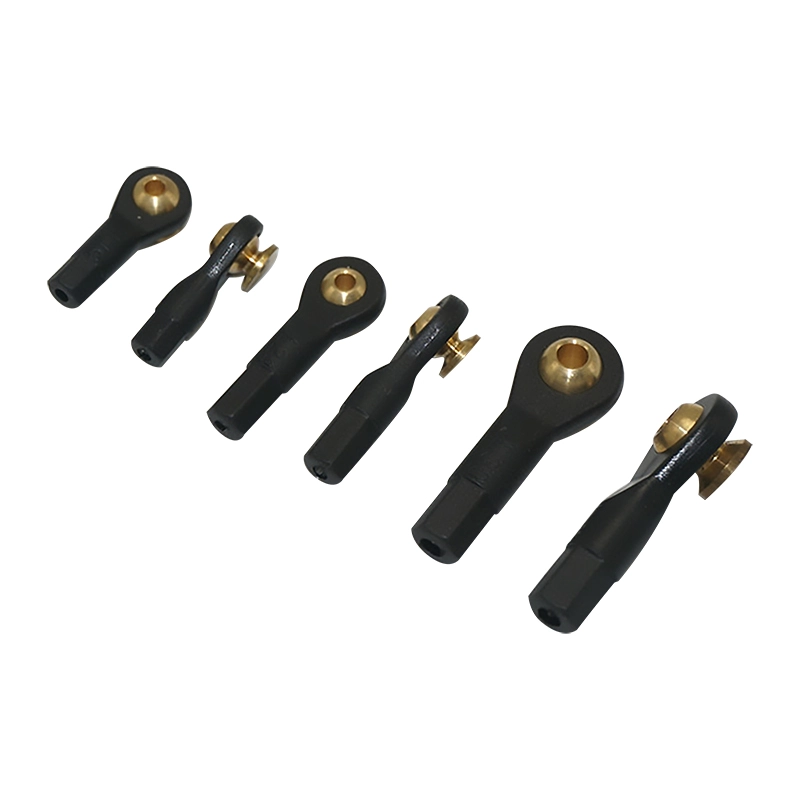
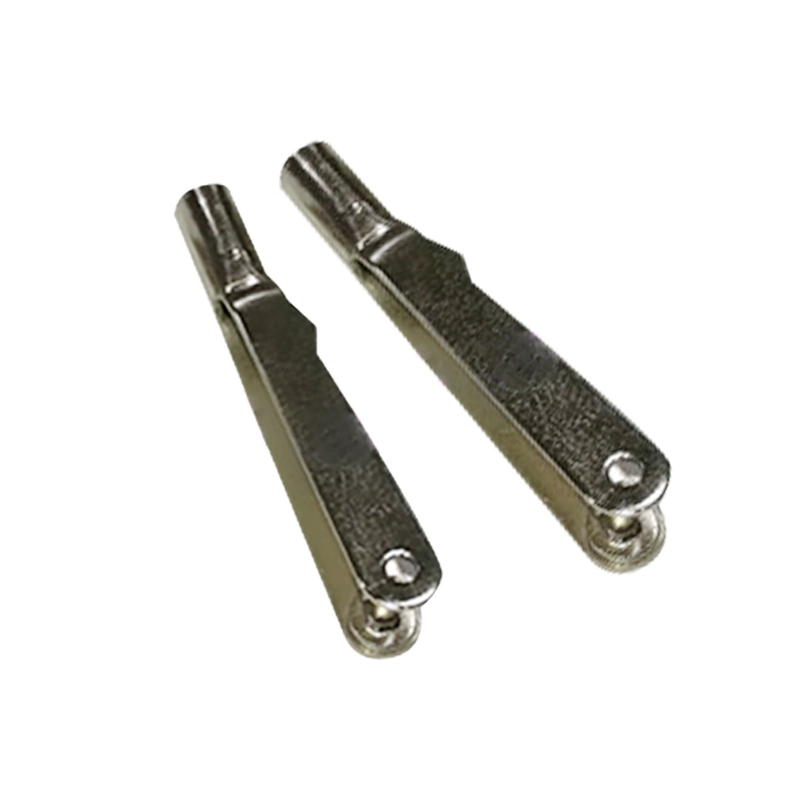
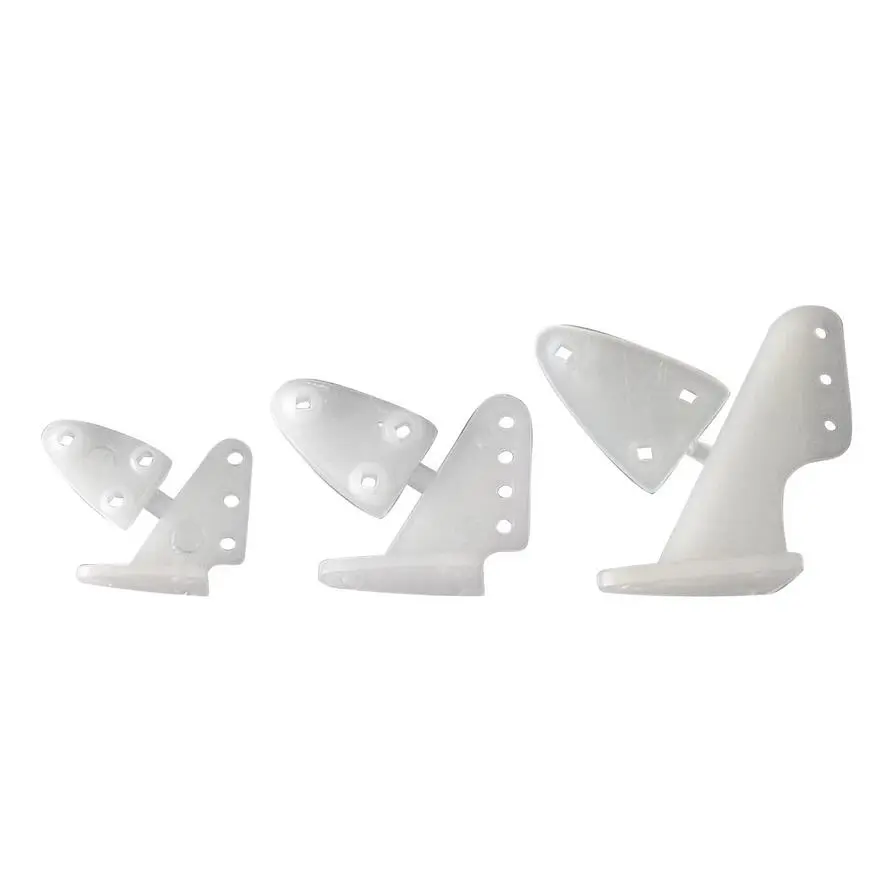
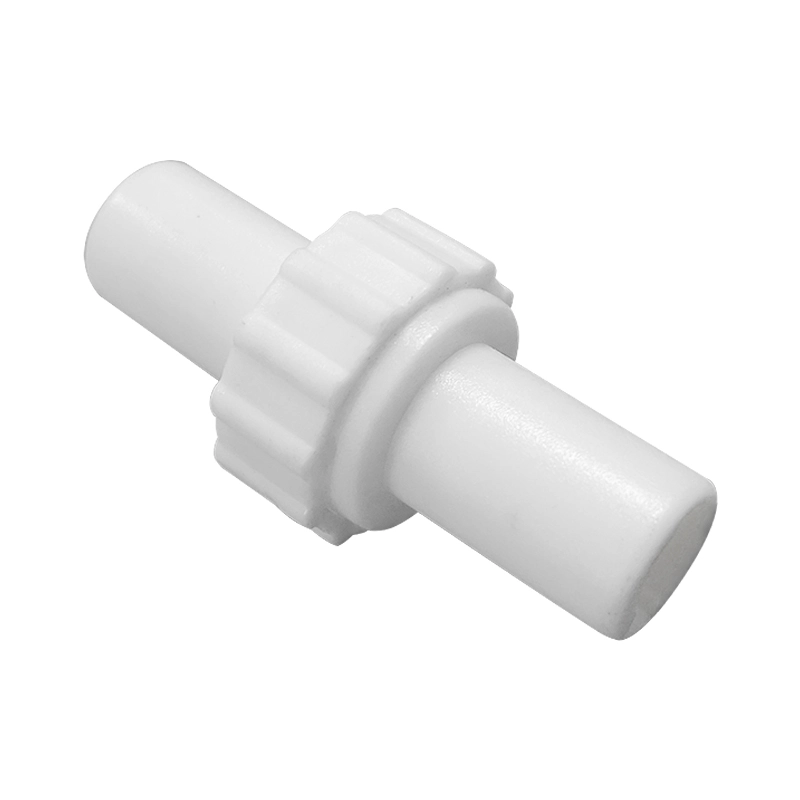
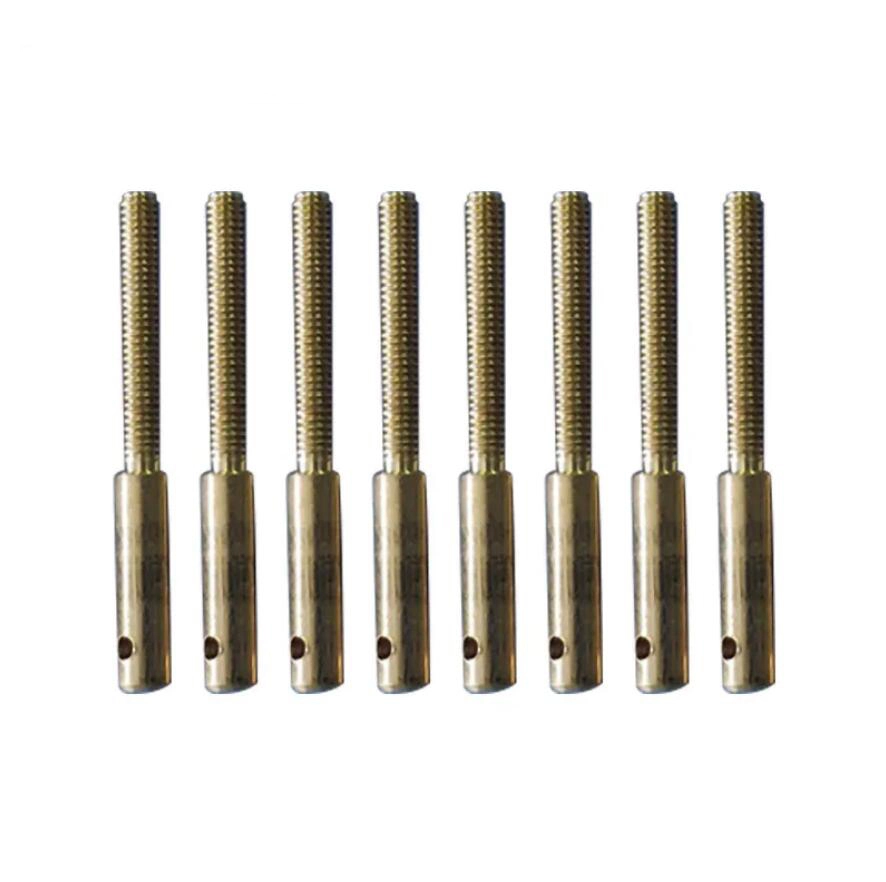
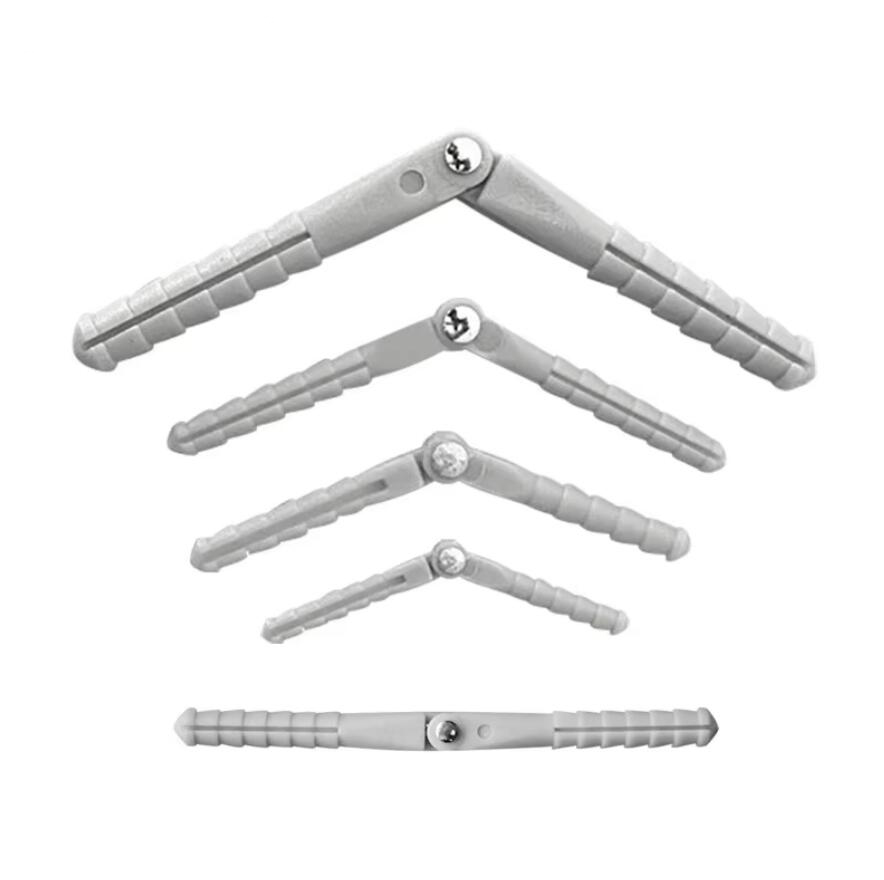
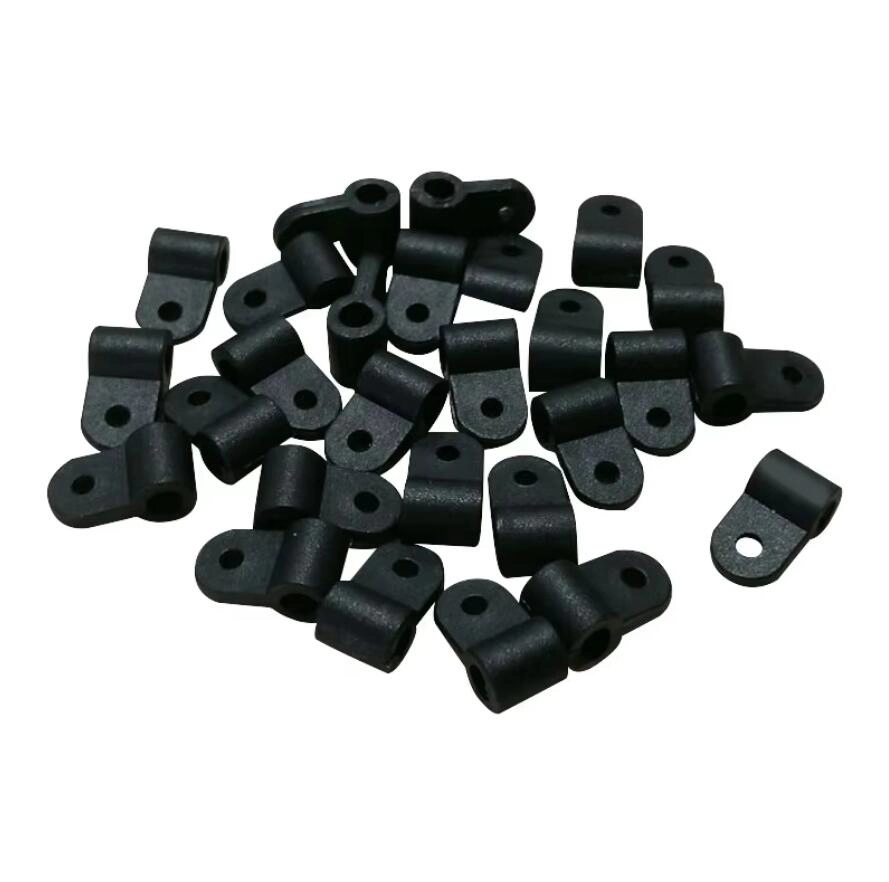
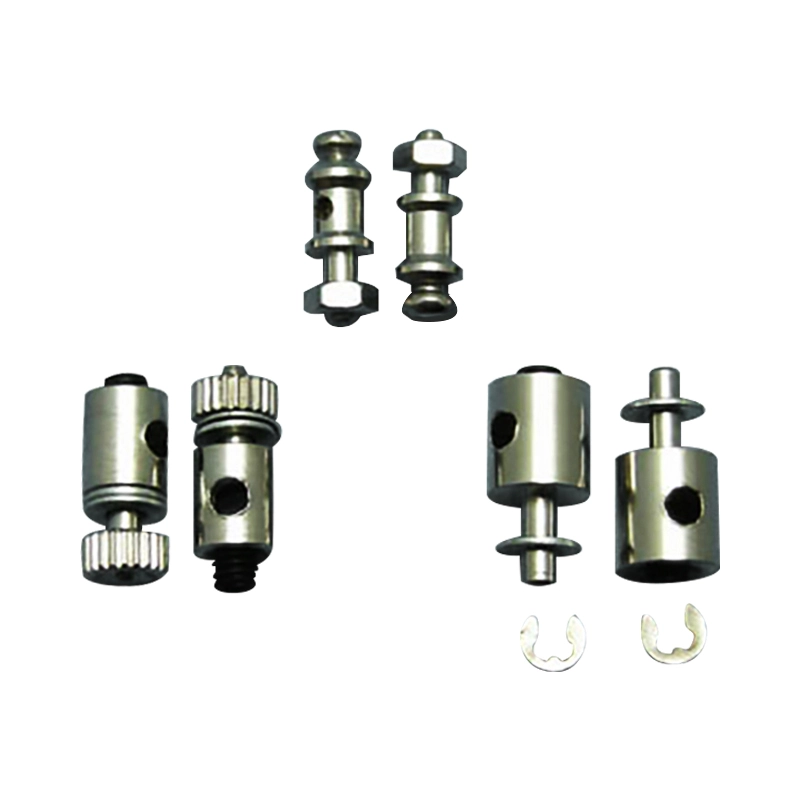
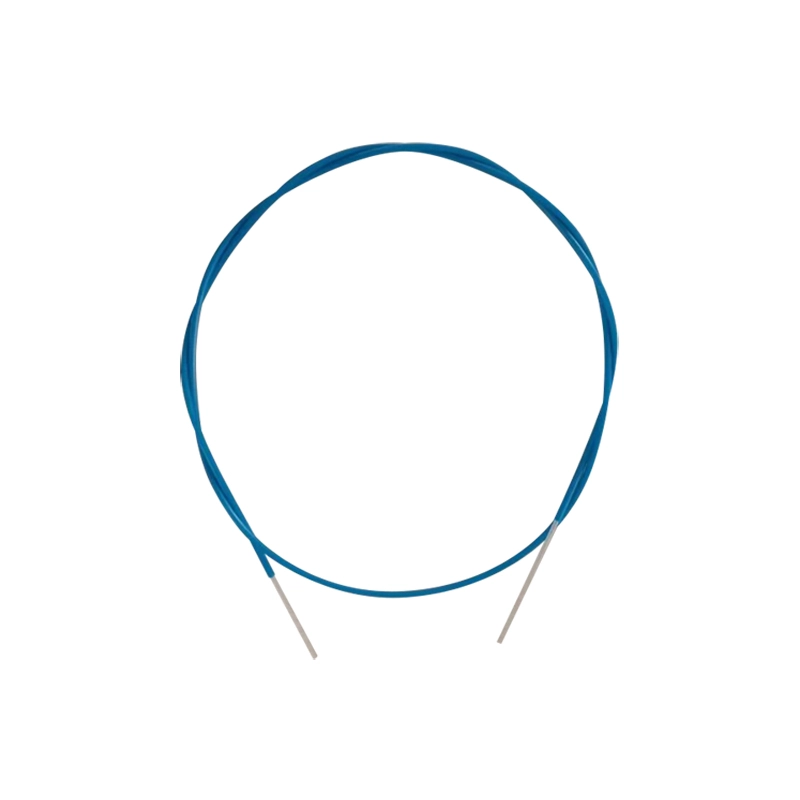
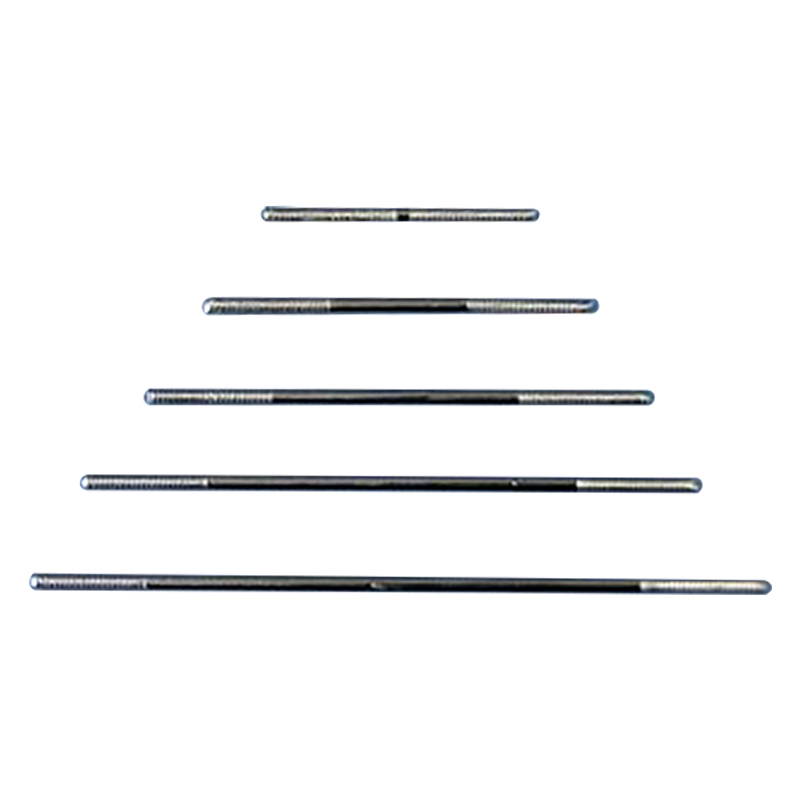
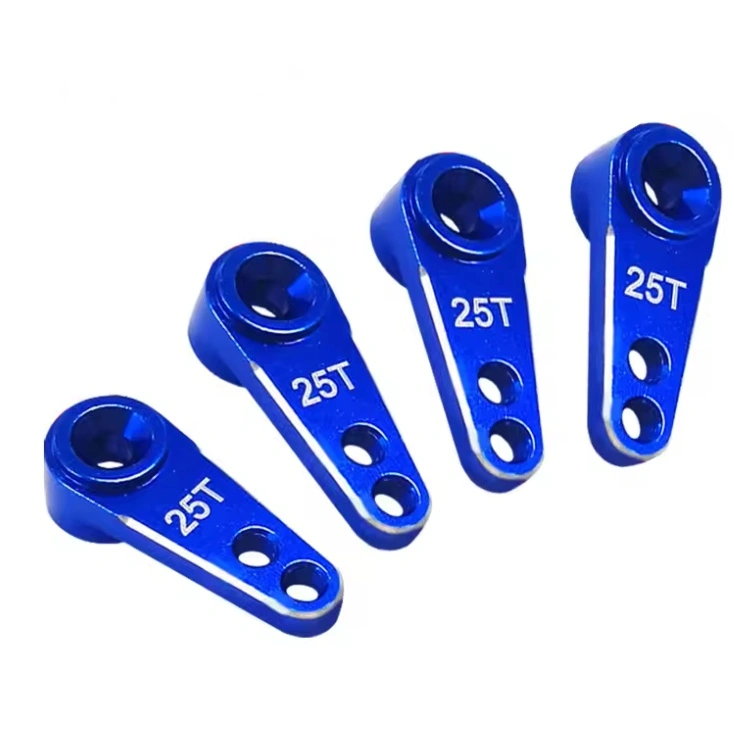
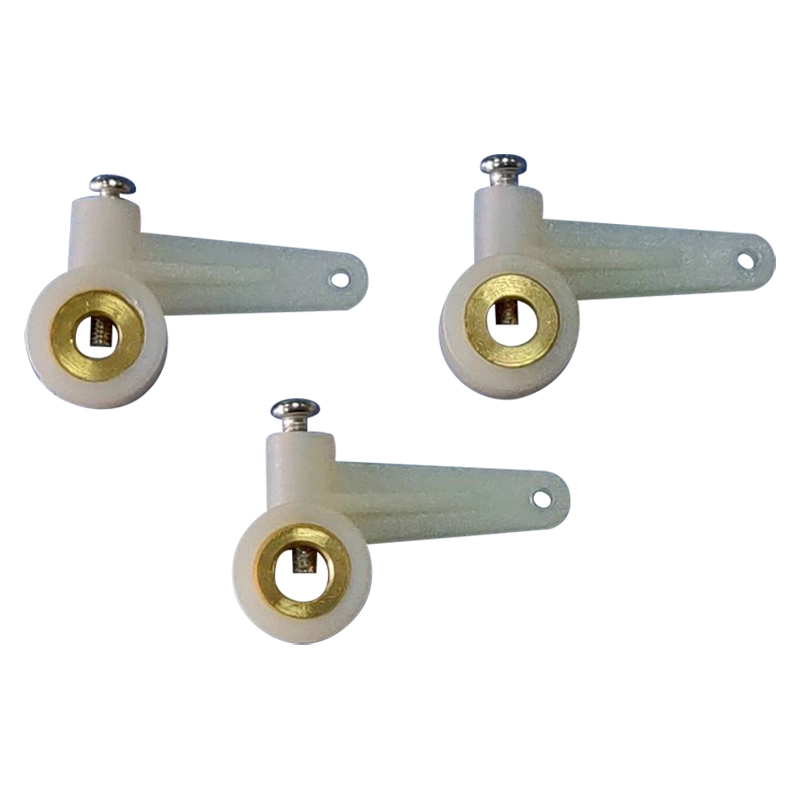
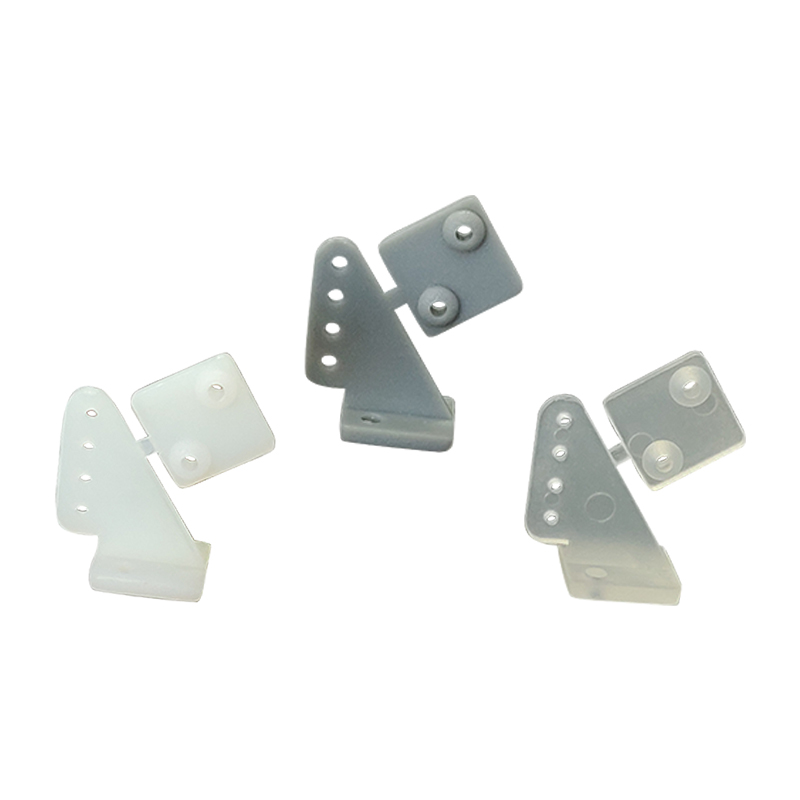
While balance is the primary defense, worn or loose hardware will worsen vibration and accelerate wear.
These hardware items should be inspected before the first flight of each day, and after any hard landing, crash, or transport. Worn or damaged linkage parts should be replaced promptly.
A balanced control surface places far less continuous load on servo gears. An unbalanced surface forces the servo to hold position against gravity even before any aerodynamic loads are applied. For most stock RTF models with standard servos, this is not an issue for normal flying.
If you upgrade your model for higher speed, you may find elevator control feels soft or mushy. This happens when air pressure pushes the control surface against the servo. In this case, a higher-torque servo may be required.
Servo torque ratings are measured 10 mm out from the center of the output shaft, and this is the standard used by nearly all manufacturers. Keep in mind: the farther you mount the pushrod from the servo center, the less torque you deliver to the control horn. For maximum torque output, mount pushrods at the rated 10 mm position on the servo arm.
Control surface flutter is a serious risk for any RC aircraft, especially modified or high-performance models. Performing proper mass balance on control surfaces, and maintaining tight, undamaged linkage hardware are the most important steps to prevent it.
Slower trainer aircraft are at lower risk, but high-performance EDF jets and speed-modified models require extra attention. Always include control surface balance and hardware inspection as part of your regular preflight routine.
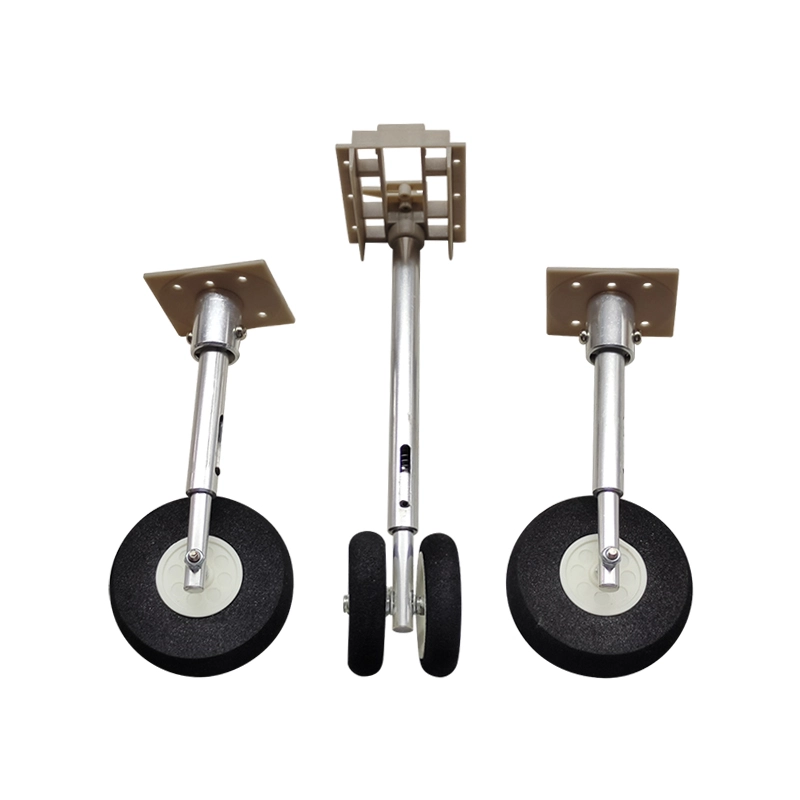
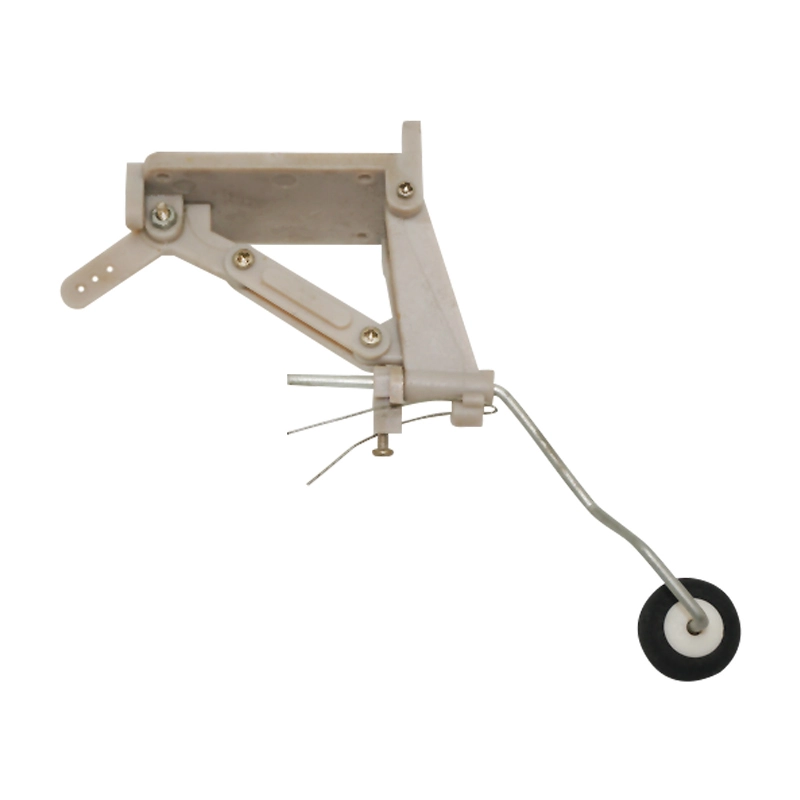
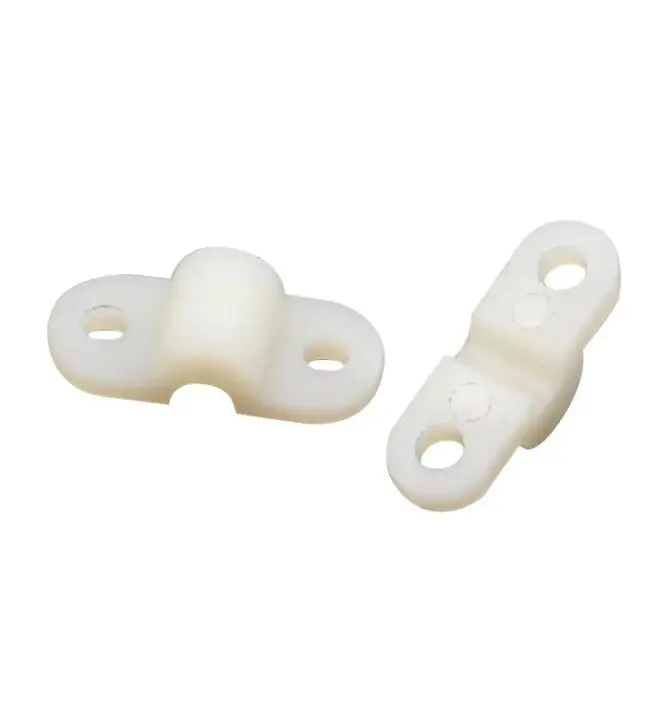
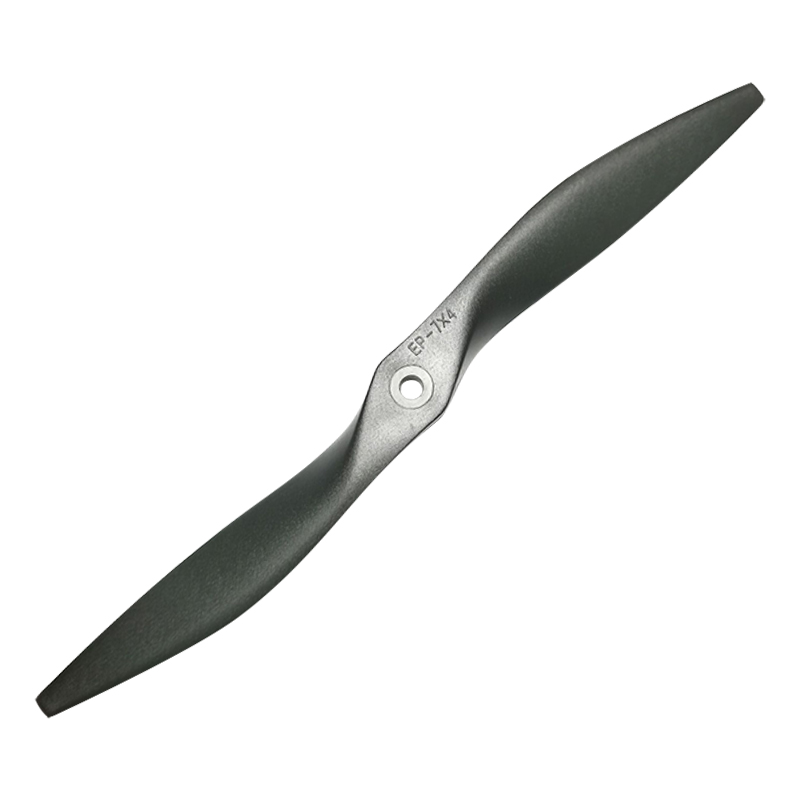
If you need replacement control horns, clevises, pushrods, hinges, or other control linkage hardware for your model, browse our full selection of precision RC airframe parts.
Copyright © 2005-2026 MySite Ltd. All Rights Reserved. POWERED BY UEESHOP