EN

Introduction: A loose control surface on a foam wing usually starts with a compressed hinge slot, not a broken pin, so reading the foam wall decides the repair.
A foam wing rarely fails at the hinge with a clean snap. The aileron starts feeling a little vague in roll, or an elevator settles slightly off-center after a landing. By the time the surface trails visibly behind the wing, the plastic pin is often still whole and the foam slot around it has quietly opened up. That single detail changes the whole repair plan, because a pin that has lost its grip in a worn slot behaves very differently from a pin that has cracked. Reading the wall first, then choosing between the original slot and a fresh one, is what keeps a foam wing flying without cutting the surface apart.
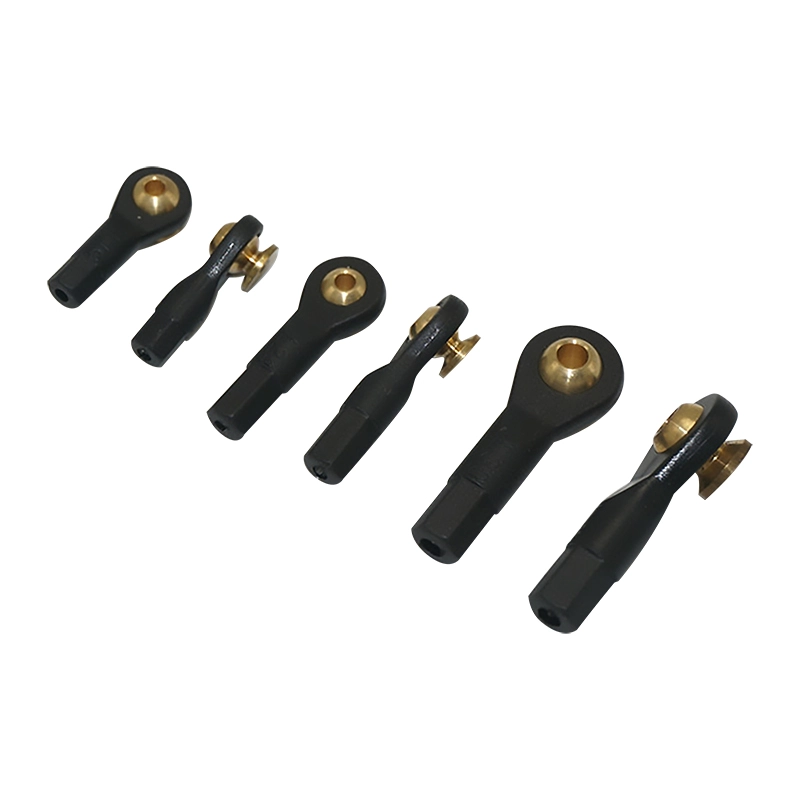
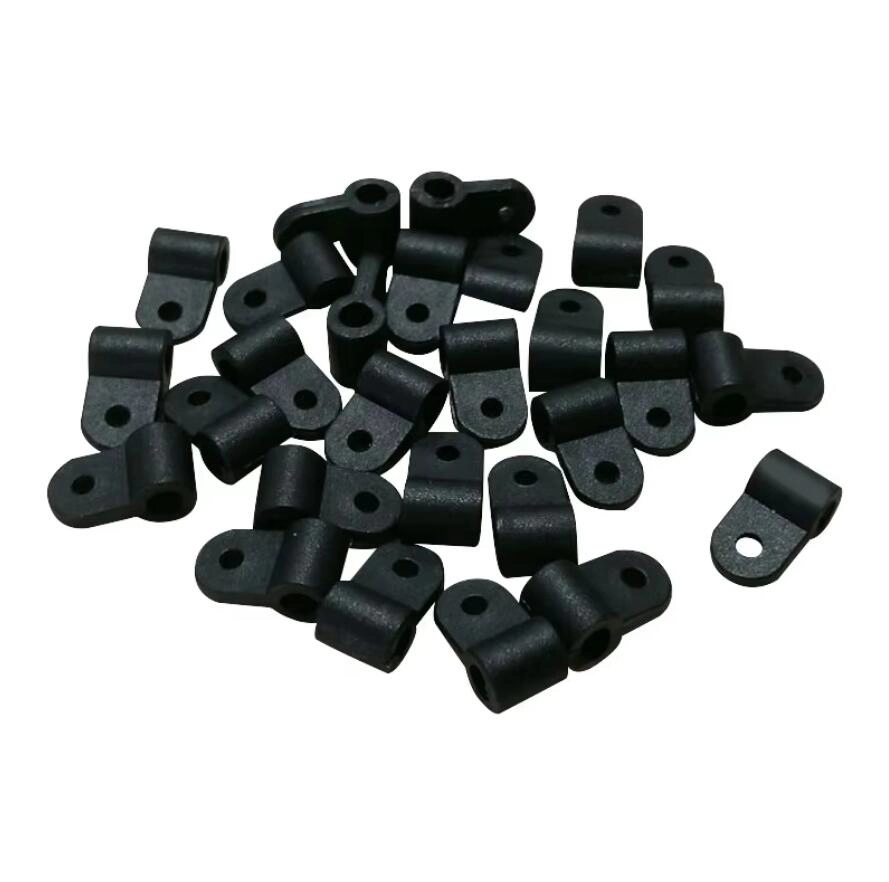
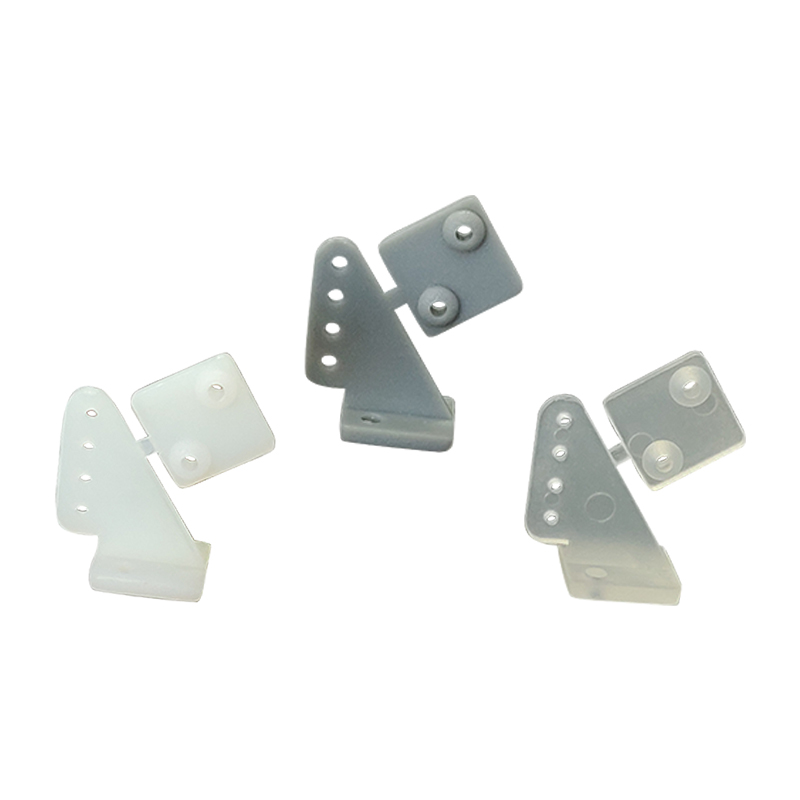
Every control input loads the hinge pin in shear against a thin foam wall. Foam is light and porous, and it compresses instead of springing back the way denser wood does, so each landing, each control reversal, and each bit of ground handling squeezes the material between the slot walls a little tighter. A barbed needle end holds by mechanical interlock: the foam has to stay intact between the barbs for the pin to resist being pulled out. Once that foam crushes into dust, the barbs have nothing to bite, and the pin body starts moving inside the slot rather than gripping it. The pin itself is normally not the first part to give up. Durable plastic tolerates repeated bending far better than a low-density foam wall tolerates repeated compression, which is why a hinge line often stays structurally connected long after it has gone soft. The cylindrical pivot keeps rotating, the surface keeps moving, and the looseness shows up as play rather than a break. That play is the useful warning. A surface that returns to neutral with a small wobble, or that can be rocked a millimeter or two by hand before it engages, is telling you the slot wall is losing contact. Wind the picture forward. Once the pin can rock in the slot, the hinge axis drifts, so the control surface deflects from a slightly different line than the one the airframe was built around. Trim starts fighting you, and the load spreads across a wider area of foam instead of staying at the intended hinge line.
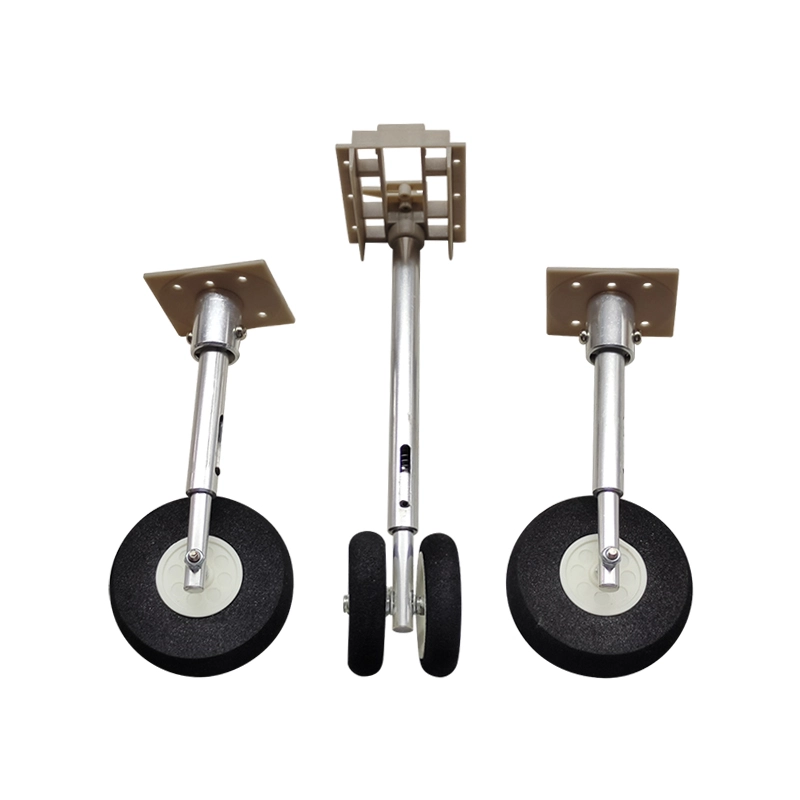
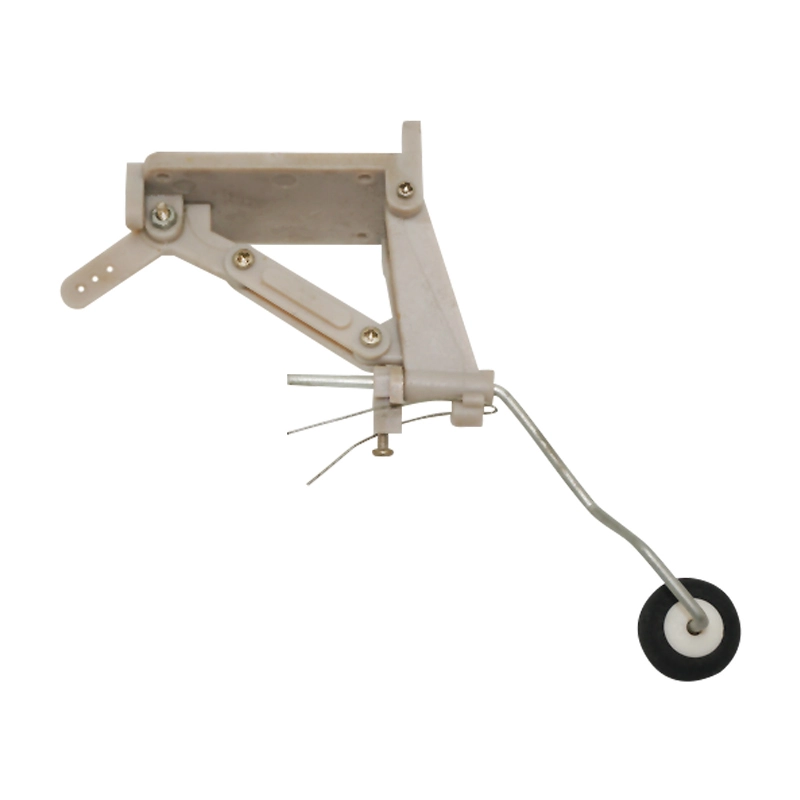
Pull the old pin, or push it out from the far side if the surface allows, and look at the slot before doing anything else. The goal is simple: decide whether the foam still has enough structure left to hold a pin body in the original position. This is a material question rather than a pin question, and it is what separates a five-minute repair from a rebuild of the hinge line and a hunt for spare rc airplane parts.
A slot that is still usable looks tight and slightly elastic. It may show barb marks scored into the walls, and it may be a shade polished from use, but the foam has not crumbled or torn away. The practical test is a dry fit. Push a clean replacement pin in by hand and feel for resistance along the whole inserted length, then try to pull it straight back out. It should need real effort, and it should not wobble sideways inside the slot. If that is what you feel, the original position is still valid. Clear out old glue residue, keep any fresh adhesive away from the cylindrical pivot, and the hinge line can be renewed in place with a new pin of the same diameter.
The other outcome is unmistakable once you know what to look for. The slot has become oval, or its walls feel soft and crumbly under a fingernail. Foam dust comes out on the pin. The replacement slides in with almost no resistance and can be pulled out with two fingers, because the enlarged opening no longer touches the barb ridges. In that state, the original position is finished as a grip surface. Foam wall damage of this kind is not always fully recoverable, particularly when the opening has broken through the surface skin or spread into the surrounding cells, and no pin diameter can create foam that is no longer there. This is the signal to move the hinge line rather than fight the old hole.
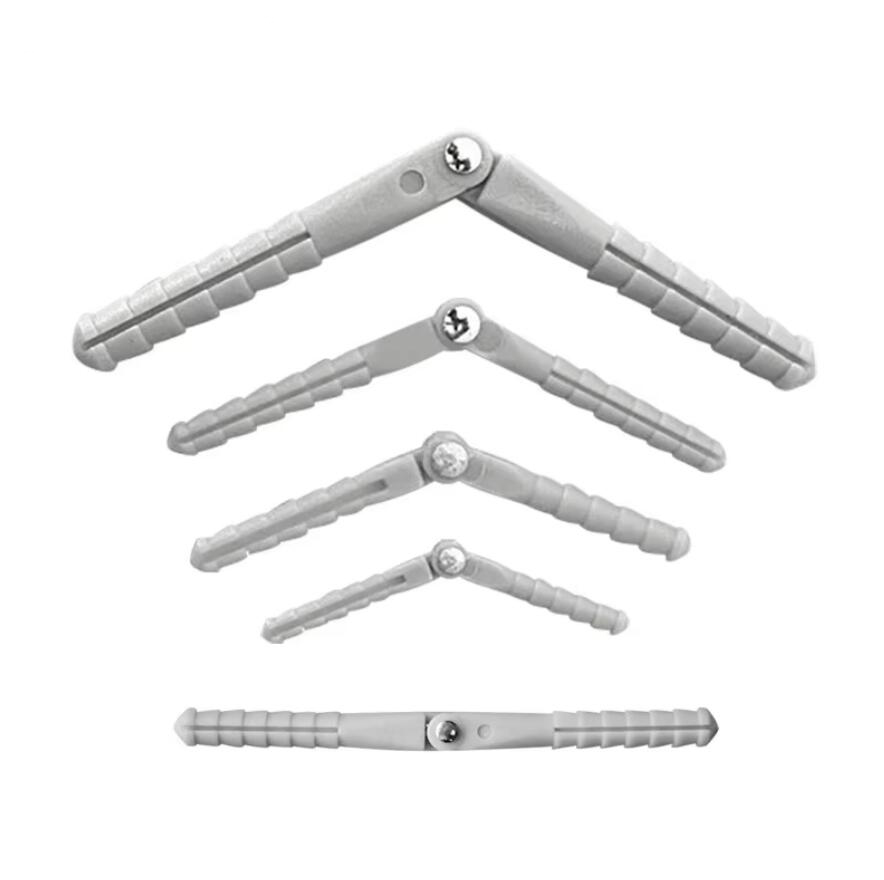
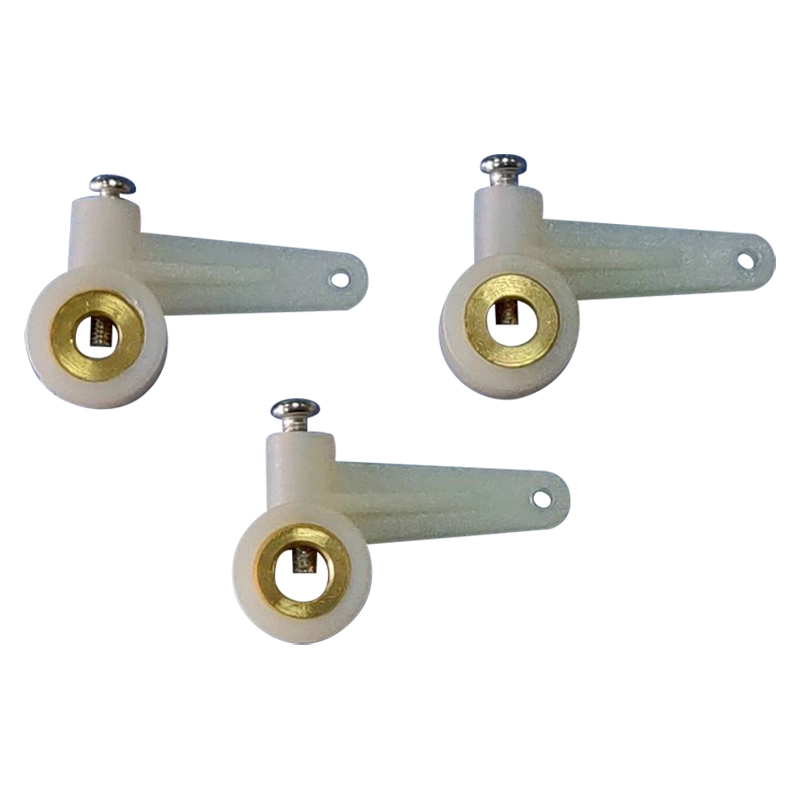
Moving to a fresh position is less dramatic than it sounds. A needle hinge only needs a short straight slot, so a new line can sit a few millimeters forward or back of the old one, as long as it stays parallel to the original axis and stays inside the foam thickness. Sand any raised torn area lightly, but there is no need to reshape the wing or rebuild the trailing edge. The replacement pin then does two jobs at once: the barbed ends bite fresh foam on both sides of the gap, and the cylindrical pivot restores a clean rotating axis so the surface deflects from a predictable line again. Size choice follows the foam you have left to work with. The D2.0 x 33 mm variant suits thin foam board and small surfaces where wall thickness is limited. D2.5 x 43 mm and D2.5 x 48 mm cover most standard foam wings and give more barb length for a stable grip. D4.5 x 67 mm is the one for larger models and thicker control surfaces where a bigger pivoting body carries the load more comfortably. Because these pins measure with a tolerance of about ±1 to 3 mm, cutting the new slot slightly undersized and letting the pin open it up is safer than cutting it loose and hoping the barbs grab. A couple of practical notes help the second attempt land better than the first. Replace every pin along the same hinge line in one session, since a fresh pin next to a tired one simply moves the play to the other end of the surface. Match the new slot to the diameter you actually measured, not the diameter printed on the label. Holding force comes from the foam, so a healthy wall matters more than any single specification. Most rc airplane hinges of this needle type come in small packs, and a 20-piece lot of the size that fits your model covers a full hinge line plus a second attempt if a slot opens up, which turns the job into routine maintenance instead of a trip to the hobby shop.
Foam hinge wear is a material story more than a hardware story. The plastic pin is built to keep pivoting, which means the foam slot calls the shots on when the hinge line needs help. When a dry fit still grips, a fresh pin of the same diameter restores the joint in the original position with almost no disturbance to the wing. When the slot has opened up past the point where barbs can reach foam, shifting the hinge line a few millimeters and letting a new pin cut its own path is a faster and more reliable answer than trying to rebuild a hole that no longer has walls. Either way, catching the wobble early keeps the repair small.
A:Dry-fit a replacement pin in the original slot and see how it feels. Resistance along the inserted length and a firm pull-out means the foam still grips, and a new pin of the same diameter will work in place. A pin that slides in with no resistance, wobbles sideways, or comes out with two fingers means the wall has enlarged and the hinge line should move to a fresh position.
A:Yes, when the slot walls are still tight and elastic. Clear the old adhesive residue, insert the new pin dry to confirm grip, then bond it with the adhesive kept away from the cylindrical pivot so the surface keeps rotating freely. If the dry fit already feels loose, the original slot is no longer a reliable anchor.
A:The foam itself. Barbed needle ends grip by mechanical interlock with the material around them, so once that material has crushed, torn, or broken through the surface skin, there is less structure for the barbs to hold. A larger pin diameter helps up to a point, but an enlarged opening usually points to a new hinge position rather than a bigger pin.
The Science of Adhesion: Bonding & Assembly Education | 3M
Drones | UK Civil Aviation Authority
Flying your drone safely and legally | Transport Canada
Copyright © 2005-2026 MySite Ltd. All Rights Reserved. POWERED BY UEESHOP