EN

Introduction: Plastic needle hinges and CA hinges both keep RC control surfaces attached, but their pivot behavior and replacement paths differ.
Builders comparing RC airplane hinges usually face the same choice: a traditional flexible CA hinge or a plastic needle hinge with barbed ends. Both can connect an aileron, elevator, or rudder to a fixed surface. The real difference shows up in how they hold, how they rotate, and what happens when one needs to be replaced later. Understanding those differences matters more than hunting for a universal winner. Material, slot condition, adhesive use, and repair quality all shape the final result.
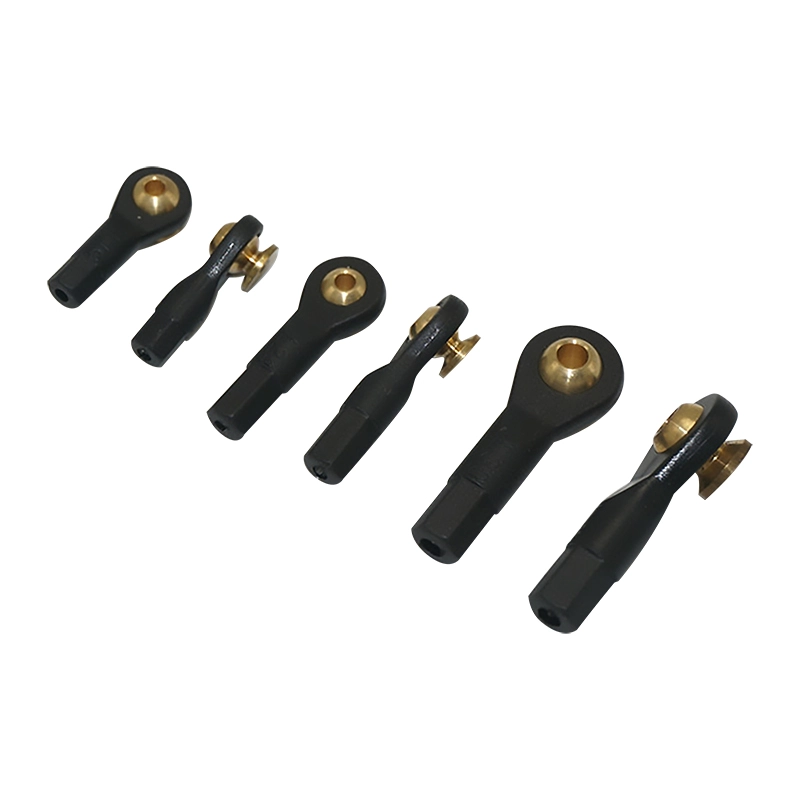
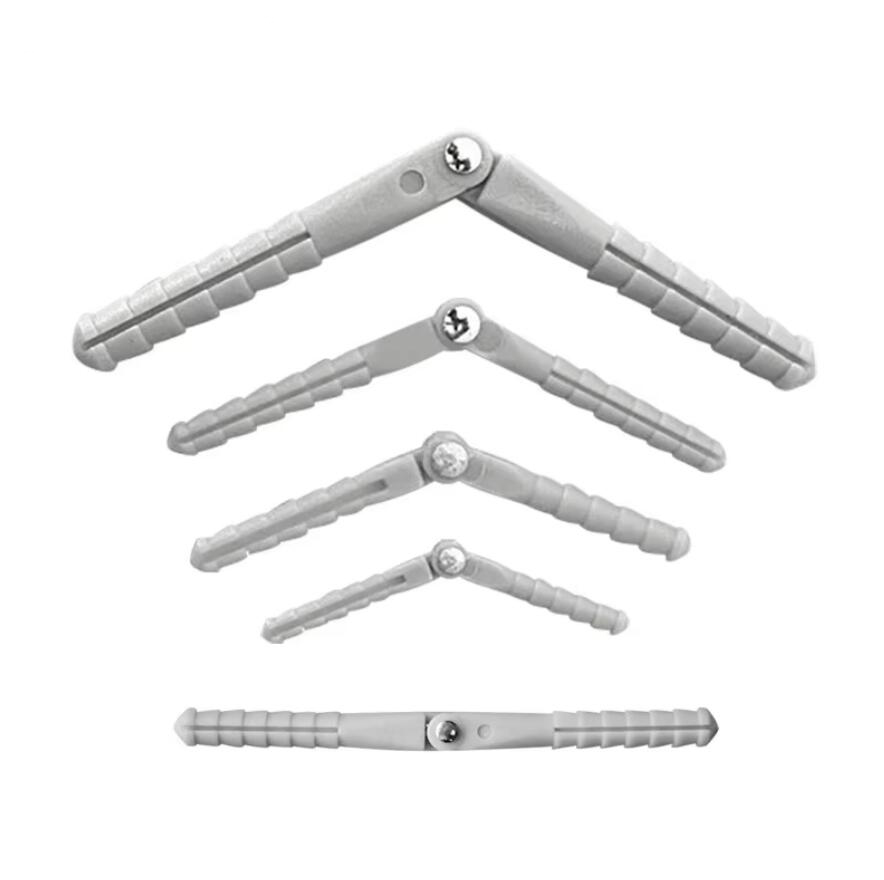
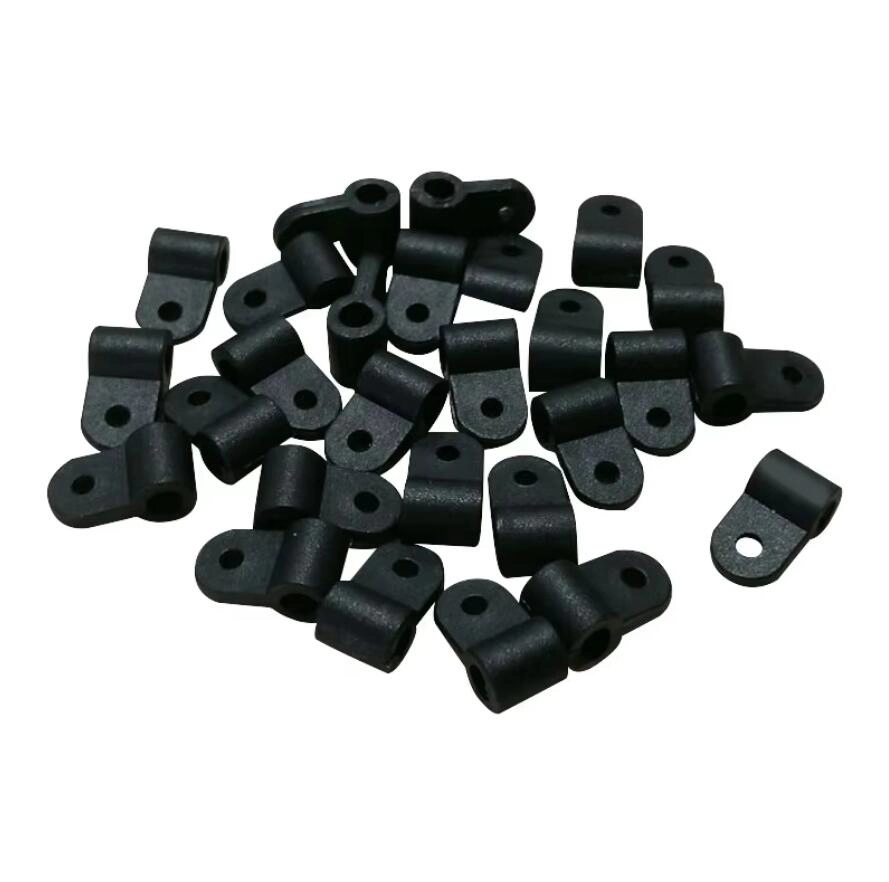
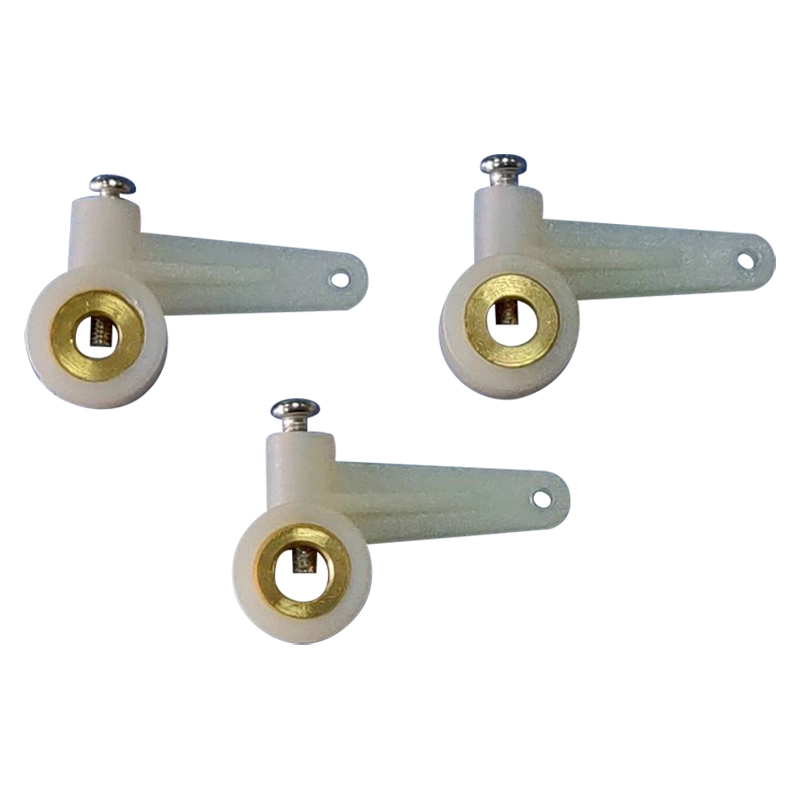
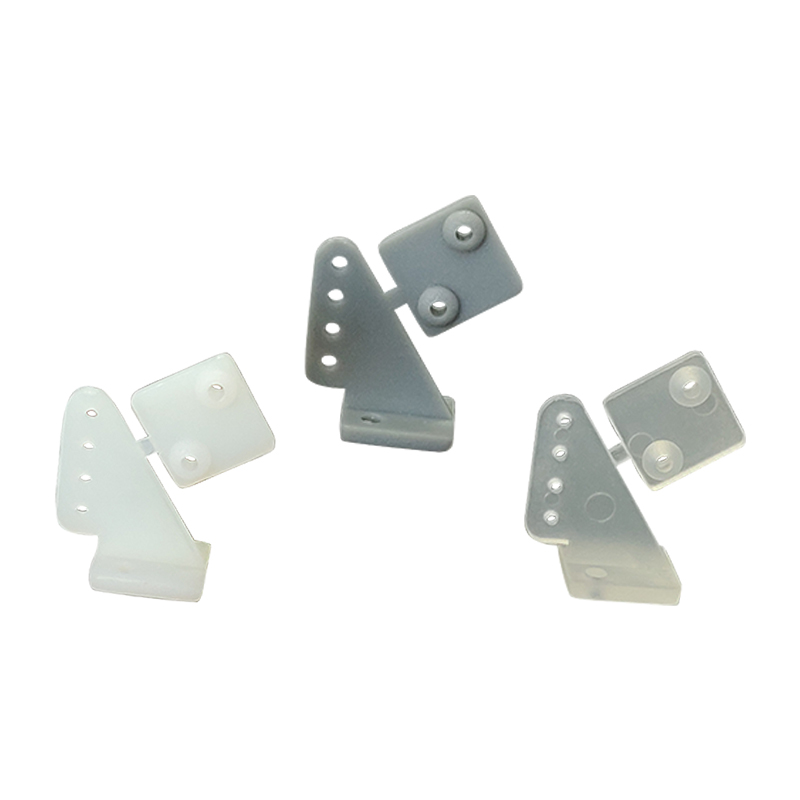
A CA hinge is usually a flexible strip of fabric, paper, or polyester. The builder cuts a slot in the fixed surface and the control surface, slides the strip into both slots, then wicks CA glue into the joint. The glue penetrates the hinge material and the surrounding wood or foam. Once cured, the strip acts as a glued flexible bridge. The hold comes from adhesive penetration and bonding to the slot walls, not from a mechanical lock. If the glue is too light, the hinge can pull loose. If the glue is too heavy, the strip can become stiff. Holding strength depends on the material, slot tightness, glue type, and how evenly the adhesive is applied. In balsa and foam, the slot walls can tear or enlarge, which weakens the grip. A plastic needle hinge uses a different holding system. Each hinge has a durable plastic body, a round pivot pin in the middle, and barbed needle ends. The needles push into pre-cut slots. The barbs bite into balsa, foam, or light board, creating a mechanical anchor. Glue can add security, but the barbs provide the first line of grip. The central cylindrical axis keeps the control surface on a fixed hinge line while still allowing the surface to fold and move. These rc airplane hinges are often sold in multiple size variants and 20-piece packs, so builders can keep spares for repairs. AMA safety programming treats control connection integrity as a model aircraft safety topic, which is why the attachment method deserves attention before the first flight.
A CA hinge has no pin. It rotates by bending. The motion is spread along the flexible material, so the hinge line is not a single hard axis. When the control surface deflects, one side of the strip stretches while the other compresses. The return-to-center force comes from the material’s elasticity. Glue penetration changes how that bending works: heavily glued areas become stiff, while lightly glued areas stay flexible. As a result, the hinge line can shift slightly under load, and the material can fatigue over many cycles. Henkel explains instant adhesive curing and penetration behavior, which is relevant because CA hinges depend on that penetration for both attachment and flexibility. The glue is not just holding the hinge; it is part of the bending structure. A plastic needle hinge rotates around its cylindrical pivot pin. The pin defines a fixed rotational axis. The control surface turns on that axis instead of bending through the whole hinge body. In mechanical terms, a pinned joint allows rotational freedom without transferring significant bending moment through the pin. MIT Structural Mechanics explains pinned joint freedom and moment transfer in hinge structures. That fixed axis makes movement more predictable. It also creates a small gap that glue must never reach. If CA glue reaches the pivot, it can lock the pin and stop the control surface from moving freely. For that reason, builders keep adhesive on the needle ends and slot walls, away from the moving joint. The contrast is simple: a CA hinge bends like a flexible strip, while a plastic needle hinge turns on a pin.
Replacement is where the two hinge types separate most clearly. Control surface hinges are wear parts. They face repeated flexing, vibration, impact, and aging. The way the old hinge is removed depends on whether it is a glued flexible strip or a mechanically anchored pin. For builders comparing rc airplane parts, the replacement path is often the deciding difference.
An old CA hinge is usually cut out. Because it is glued into the slot walls, removal can damage the slot or the surrounding surface. The builder cleans out dried glue, reopens or trims the slot, and sometimes carefully separates the control surface skin to reach the hinge line. A new strip then slides in and gets glued. Repair strength depends on how well the slot walls survived, how clean the surfaces are, how much glue is used, and what material the wing or tail is made from. If the slot wall tears or enlarges, the repair may need filling, a new slot, or a shifted hinge line. CA hinge replacement can therefore turn into a small surface repair rather than a simple swap.
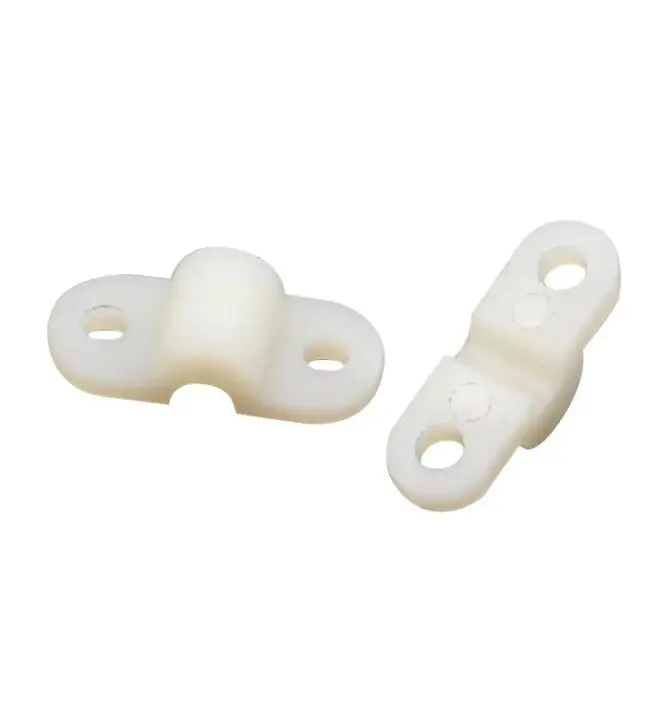
A plastic needle hinge offers a different route. If the original slot still grips the needle, the builder can pull the old hinge and push in a new one without cutting open the whole hinge line. The barbs create resistance during removal, so the slot may enlarge. Not every plastic needle hinge can be reused after removal, and the same slot may not hold a second hinge as tightly as the first. If the slot wall is damaged or stretched, repair or a new slot is still needed. When the slot remains tight, replacement stays more local. A 20-piece pack gives builders spare hinges for this kind of work. The plastic needle hinge design includes a cylindrical pivot, barbed needle ends, a durable plastic body, and a 20-piece pack format for builders who want to see the part shape before comparing it with a CA hinge.
Neither hinge type is a universal winner. A CA hinge is a glued flexible strip that moves by bending, and replacing it often means cutting and refitting the surface. A plastic needle hinge is a mechanical pin with barbed needle ends that turns on a fixed cylindrical axis, and it may be replaced through the original slot when the slot still holds. Material, slot condition, adhesive use, and repair quality decide how either type performs in real use. Comparing those differences helps builders choose the hinge that fits their model, flying style, and repair habits instead of relying on a general claim. The product facts for plastic needle hinges show the pivot, barbed ends, and pack count for anyone who wants to confirm the structure.
A:A CA hinge is a flexible fabric or paper strip that is glued into slots and moves by bending along its length. A plastic needle hinge is a plastic body with barbed needle ends and a cylindrical pivot pin. The needles anchor into the slot, and the control surface turns around the central pin. The main practical differences are attachment method, pivot behavior, and how the hinge is replaced later.
A:Pivot pinned hinges rotate around a cylindrical pin, so the hinge line stays fixed and the motion is concentrated at that axis. A CA fabric hinge has no pin; it bends along the flexible material. Glue penetration can make a CA hinge stiffer and change where the bend occurs. The fixed axis of a plastic needle hinge makes movement more predictable, but glue must stay away from the pivot to avoid locking it.
A:Yes. CA glue cures quickly and can penetrate small gaps. If it reaches the pivot, it can bond the pin to the hinge body and restrict or lock the movement. Adhesive should be placed on the needle ends and slot walls while the moving axis stays clean. Glue behavior depends on the adhesive, material, and gap size, so careful application matters.
Structural Mechanics - Aeronautics and Astronautics - MIT OpenCourseWare
Home - Henkel Adhesive Technologies (Henkel Adhesives)
Copyright © 2005-2026 MySite Ltd. All Rights Reserved. POWERED BY UEESHOP