Introduction
You’ve picked out your first RC plane, but the airframe alone is rarely everything you need to get in the air. What else you need depends on what format your model comes in, and how prepared you want to be for common field repairs and adjustments. This guide breaks down the essential accessories for new pilots, with a focus on the mechanical hardware that keeps your plane flying reliably.
First: Know Your Model Format
Not all RC aircraft require the same extra parts. Two main formats are most common for beginners:
- RTF (Ready-To-Fly) models include almost everything you need right out of the box. You will usually only need basic field tools and a few spare wear parts.
- PNP (Plug-N-Play / Receiver Ready) models come with the motor, ESC and servos installed, but you will need to add your own transmitter, receiver and flight battery.
Always check your model’s instruction manual for a full list of required items before you buy supporting parts.
Basic Electronics
For PNP models, you will need a few core electronic items to get flying.
- Transmitter: A basic 4-channel radio is enough for most trainer aircraft. If you plan to grow in the hobby, a 6–8 channel transmitter gives you room to add features later.
- Receiver: Must be compatible with your transmitter brand and protocol. Match the minimum channel count listed in your manual.
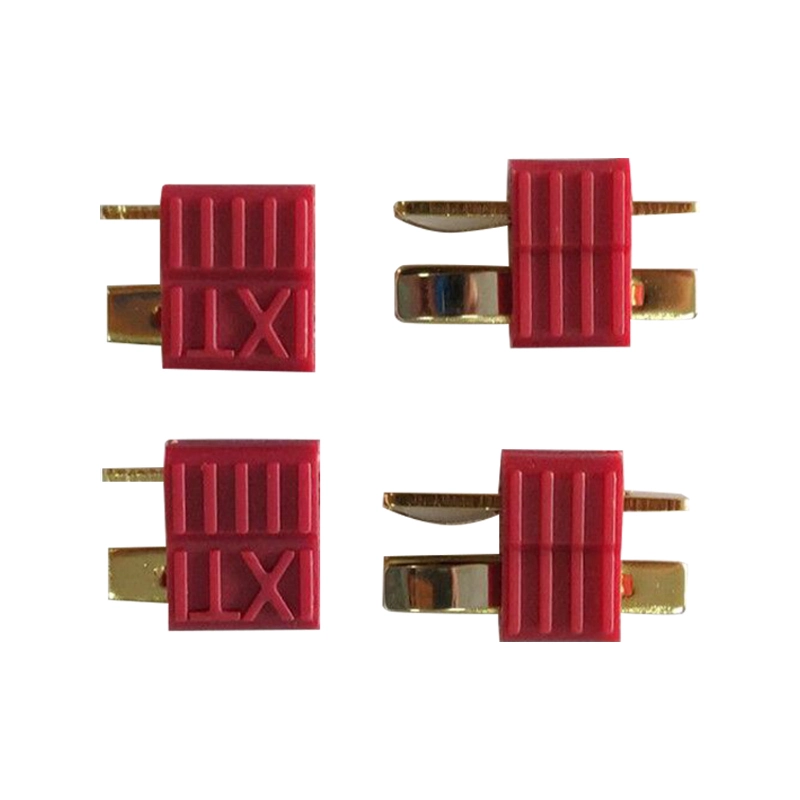
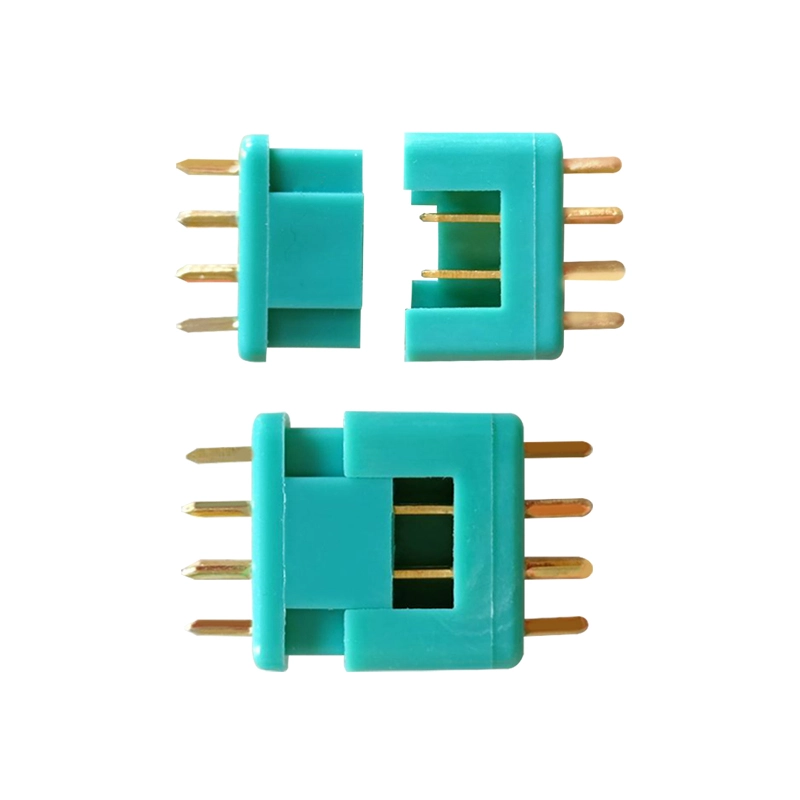
- Flight battery & charger: Make sure the battery cell count, capacity and connector type match what your model requires. Use a charger designed for your battery cell count.
Electronics are important, but they are not the only items new pilots should prepare. Mechanical hardware and spare parts are just as critical for safe, consistent flights.
Must-Have Mechanical & Hardware Parts
These are the parts that wear out, break or come loose most often. Keeping spares on hand will save you from wasted flying days.
Control Surface Linkage Hardware
Your control surfaces rely on small mechanical parts to move correctly. Vibration and hard landings loosen these parts over time.
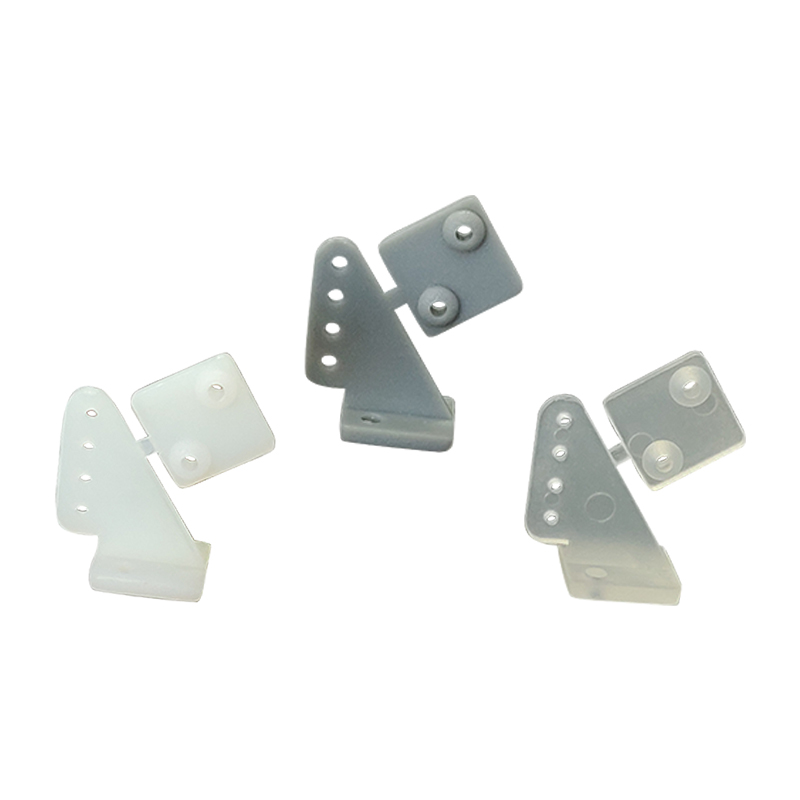
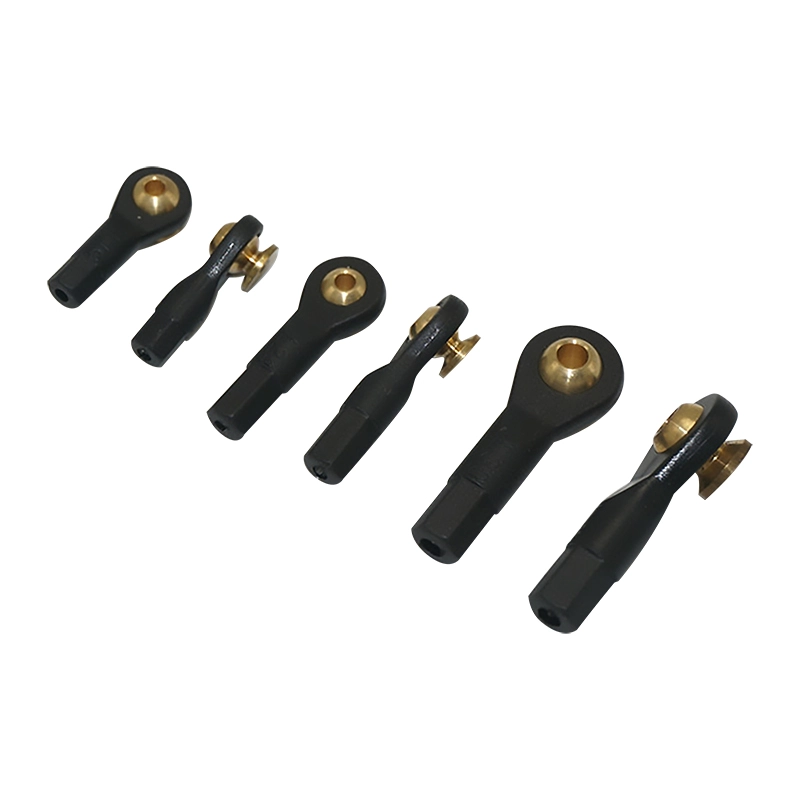
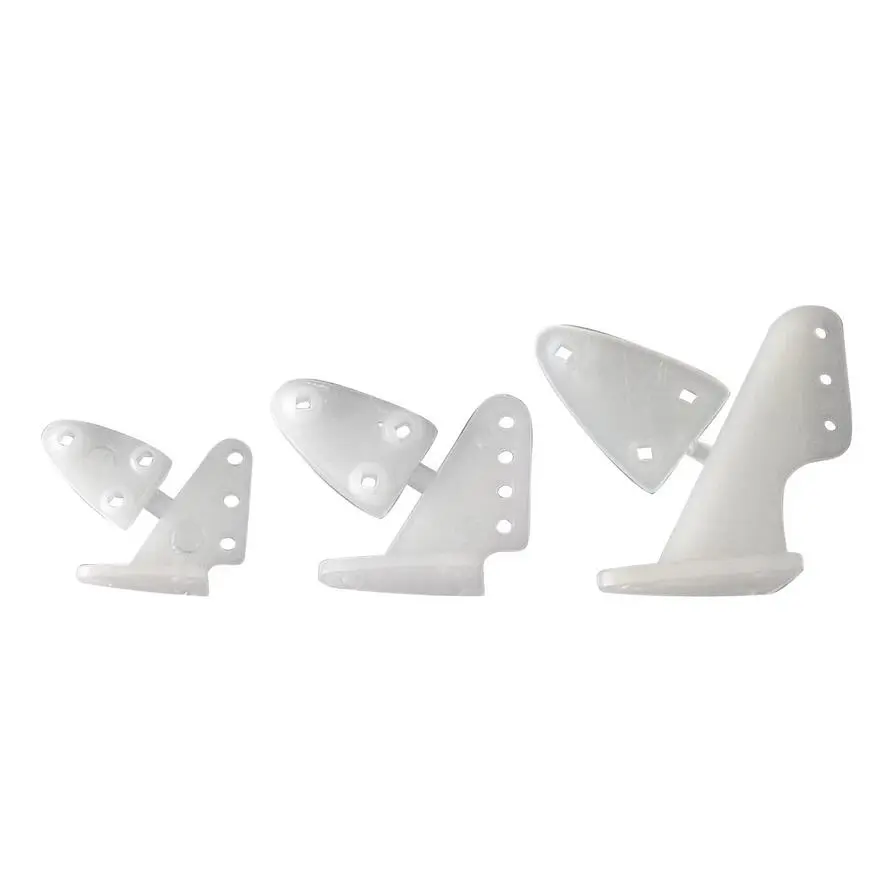
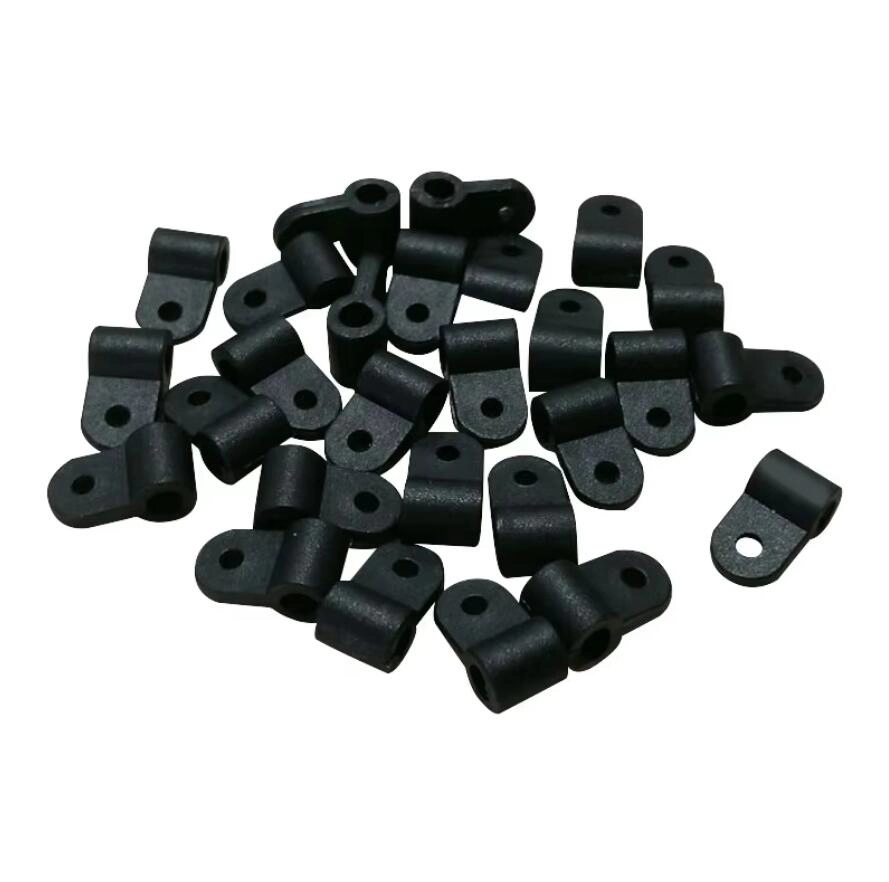
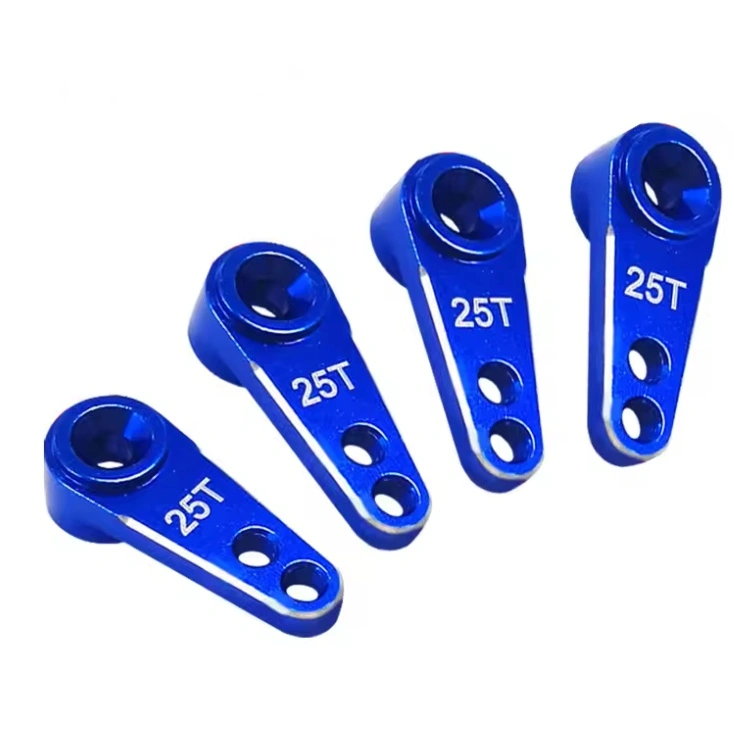
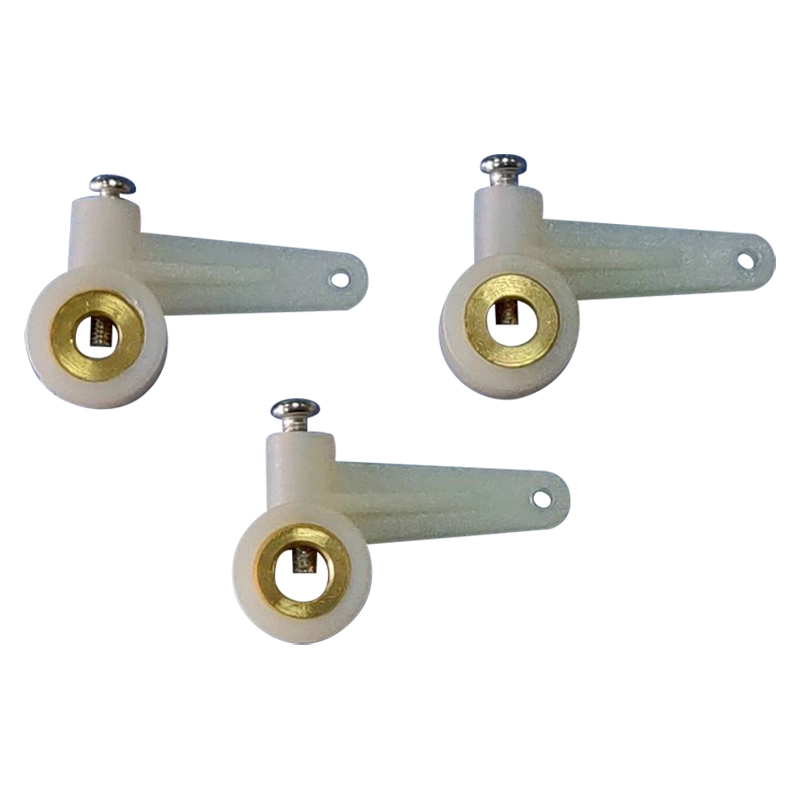
- Control horns: The plastic or metal arms mounted to each control surface. Stripped or cracked horns cause sloppy control and can fail mid-flight.
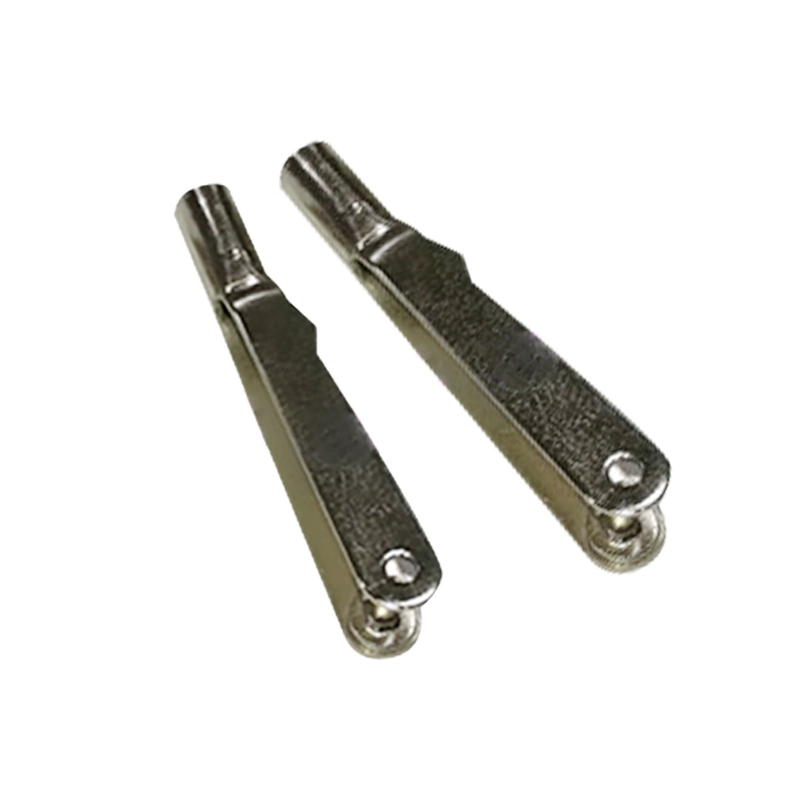
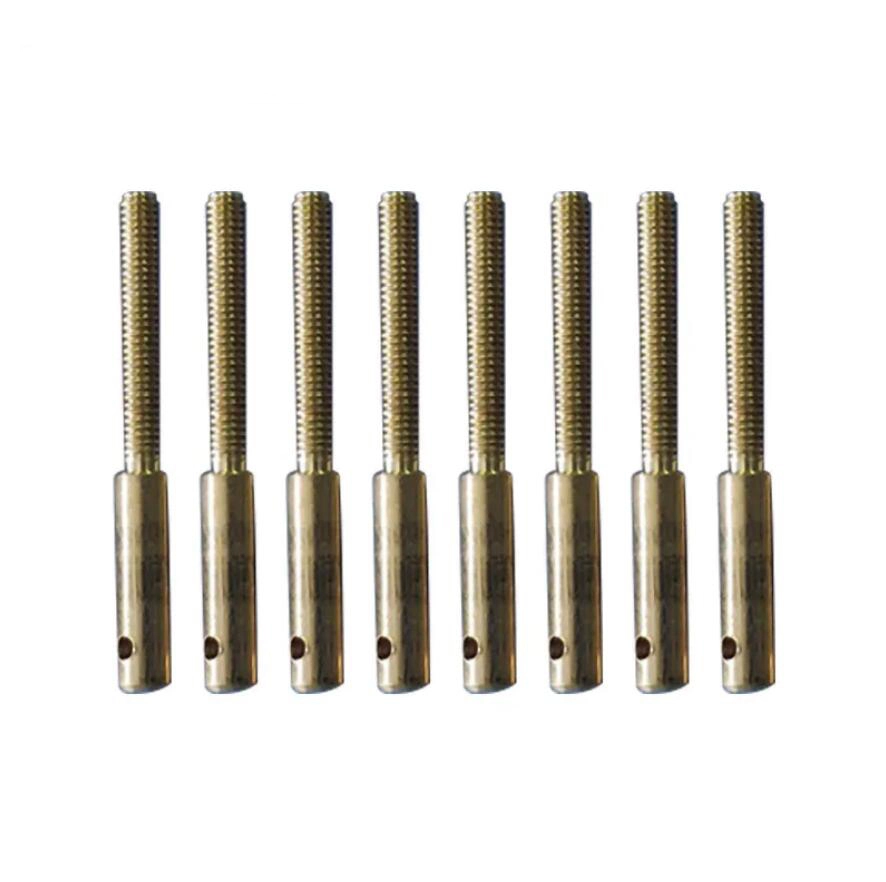
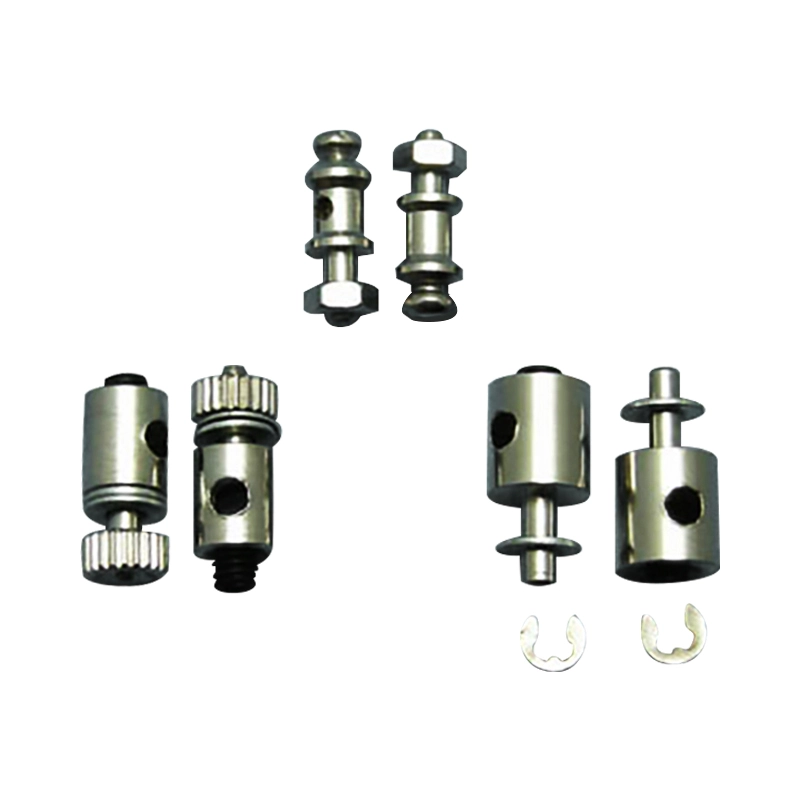
- Clevises: The clip-style connectors that join push rods to control horns. Loose or worn clevises create slop in your controls.
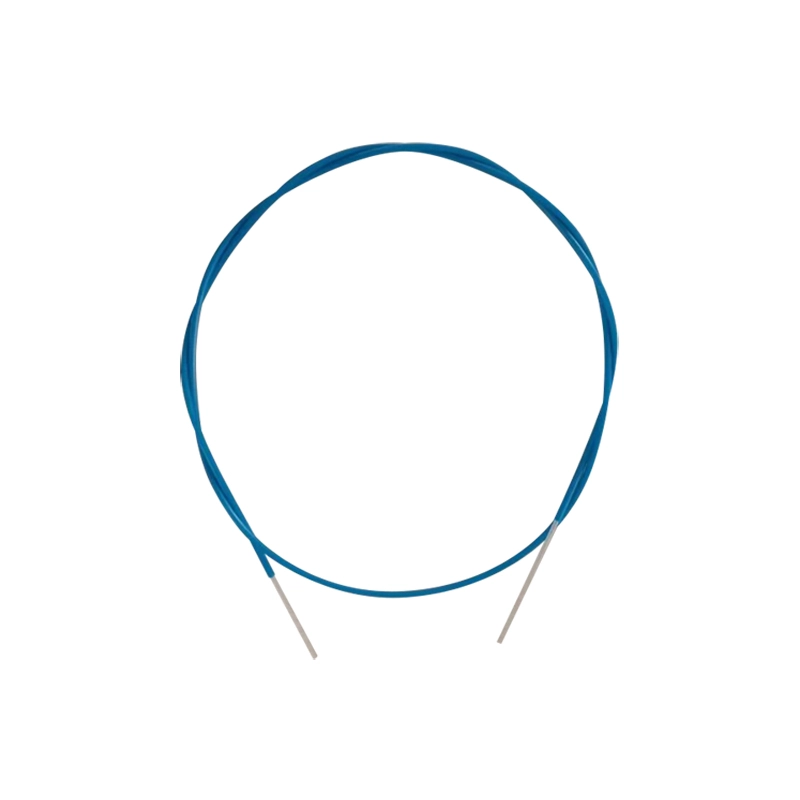
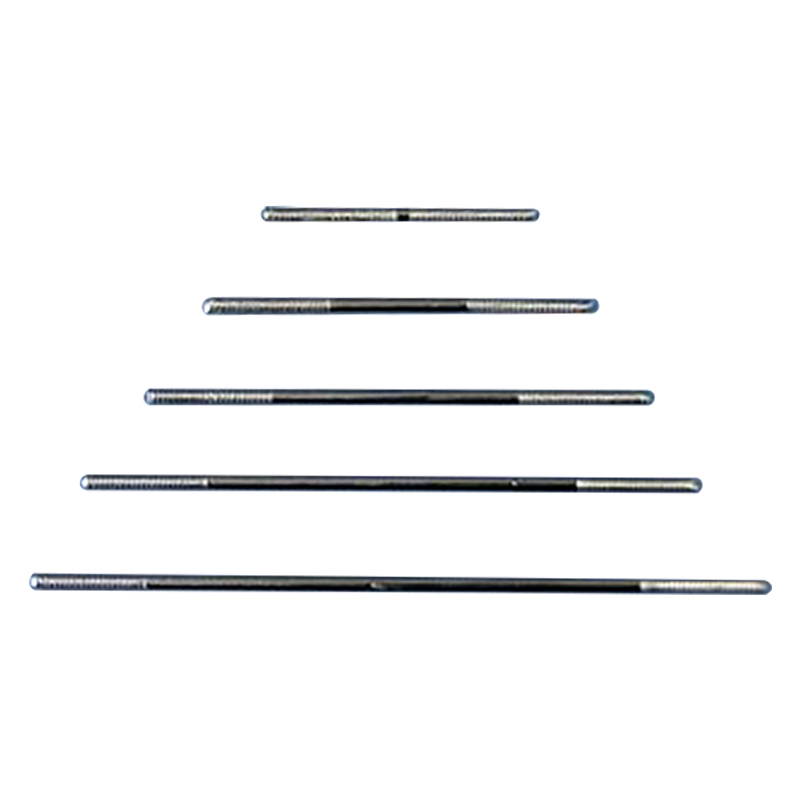
- Push rods: The rigid rods that transfer servo movement to the control surfaces. Bent or incorrectly sized rods cause incorrect surface travel.
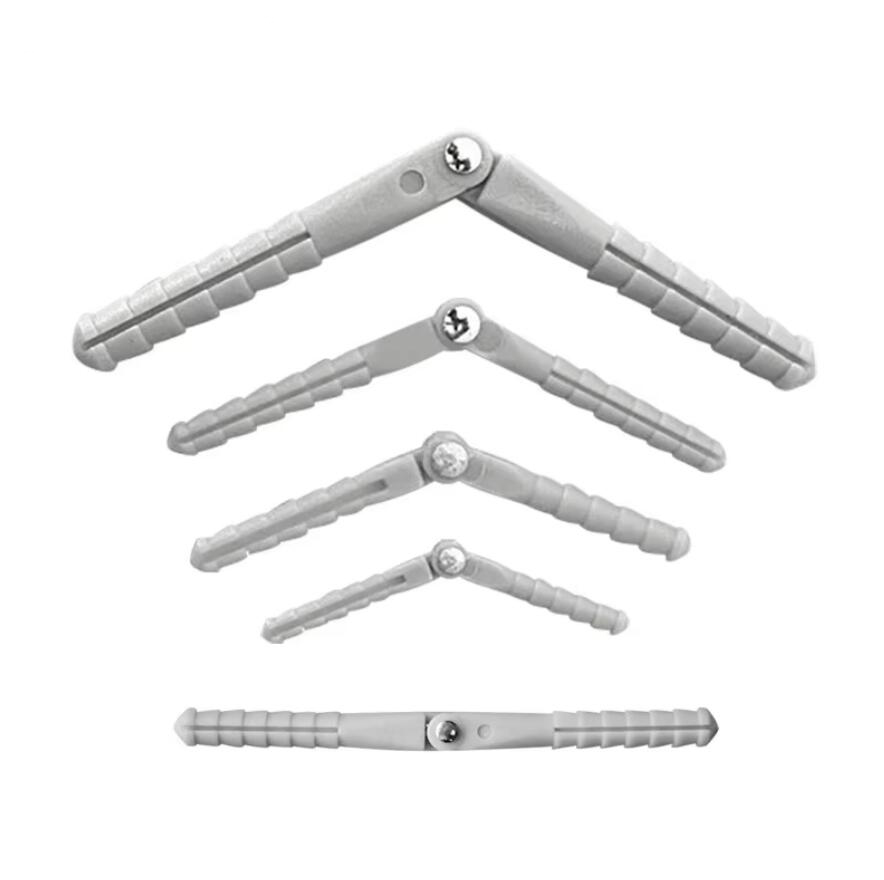
- Hinges: Foam or nylon hinges wear out with use. Torn hinges lead to flutter and control surface failure.
Propeller & Drivetrain Spares
Propellers take the most damage on hard landings and nose-overs.
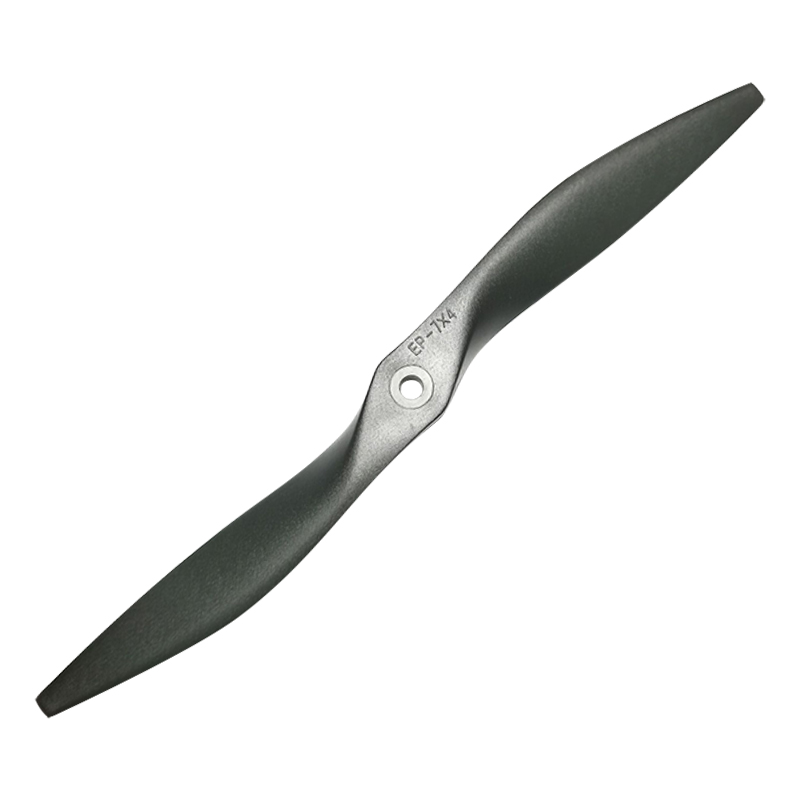
- Spare propeller: Even a small chip can cause bad vibration that shakes loose other hardware. Always keep at least one correctly sized spare prop.
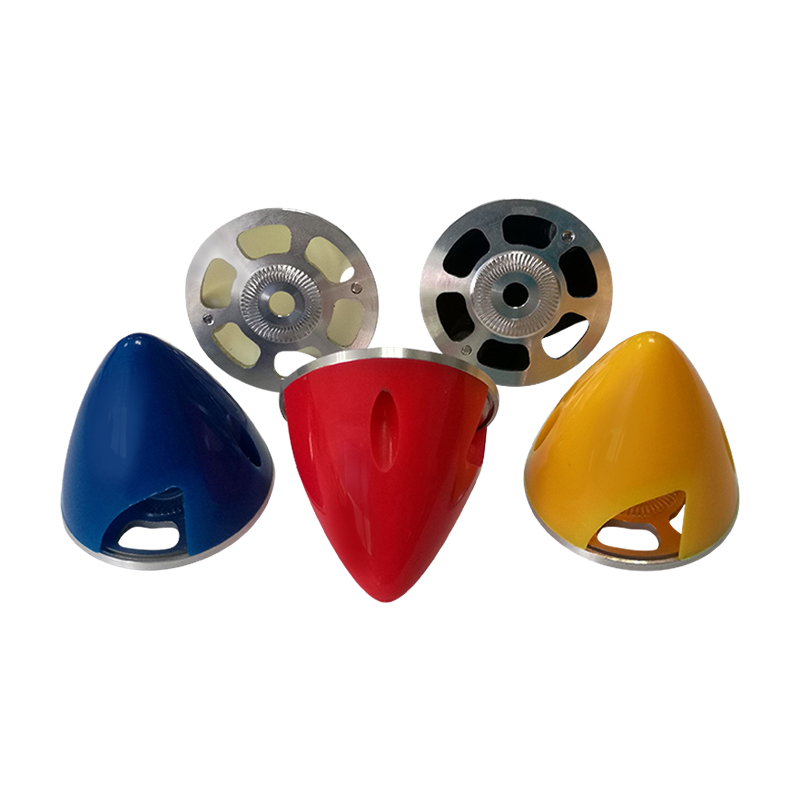
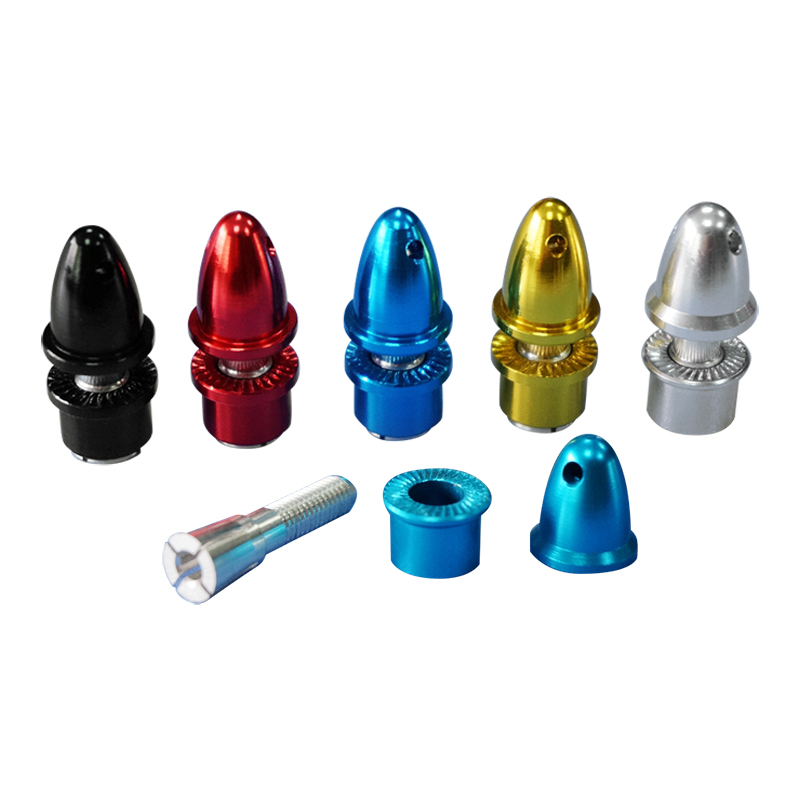
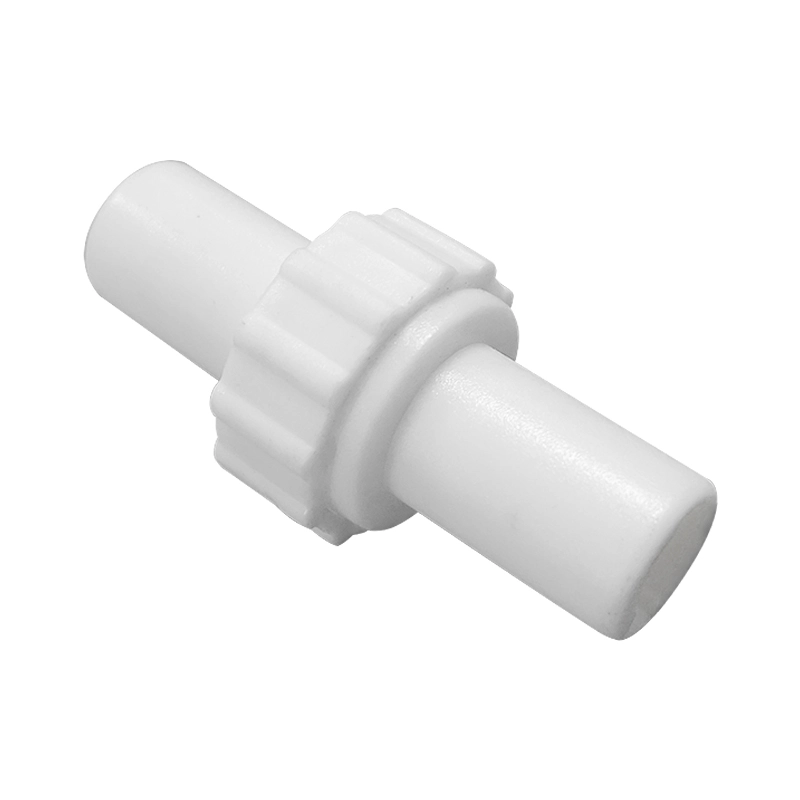
- Prop adapter / spinner parts: Loose spinners and adapters cause excess vibration. Keep extra screws and collars on hand.
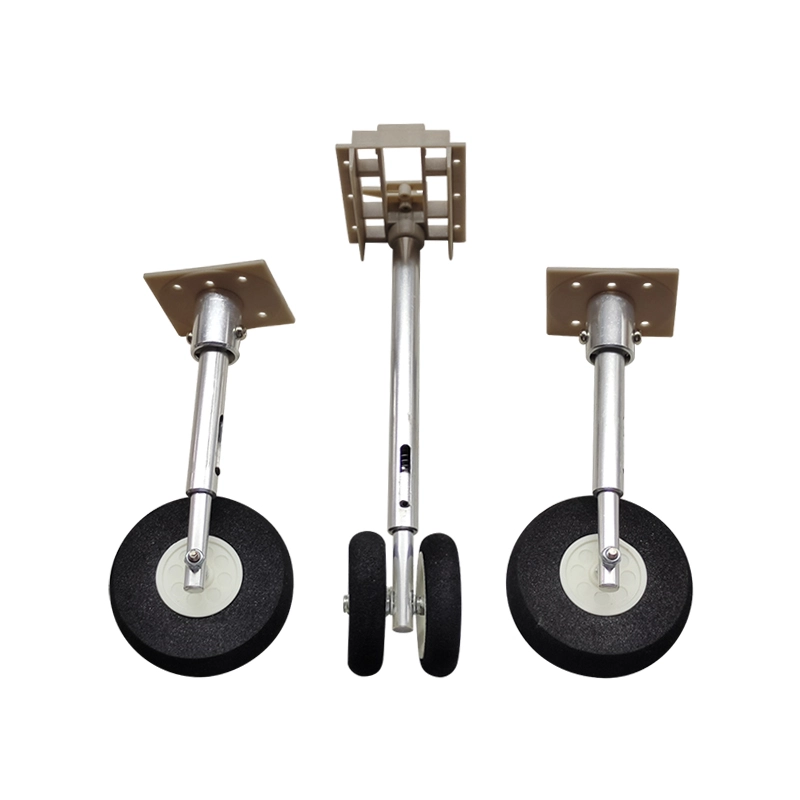
Landing Gear Hardware
Hard landings put stress on landing gear parts.
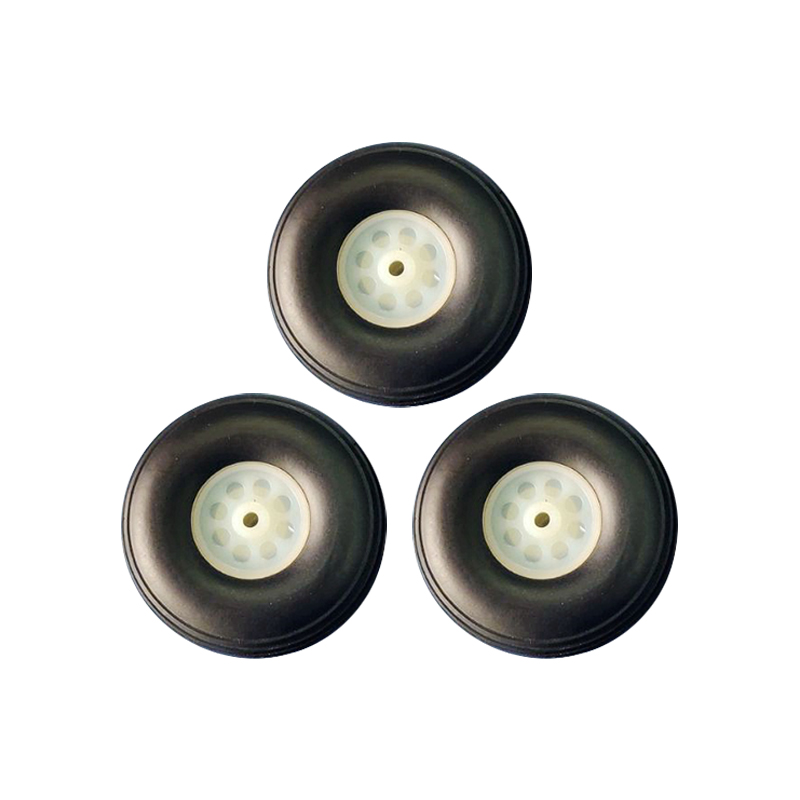
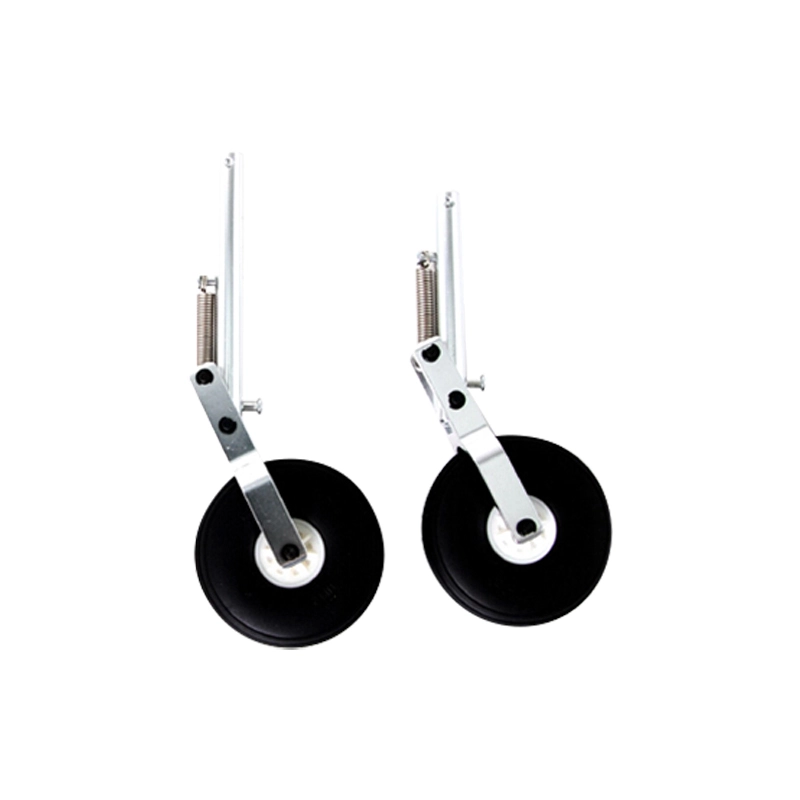
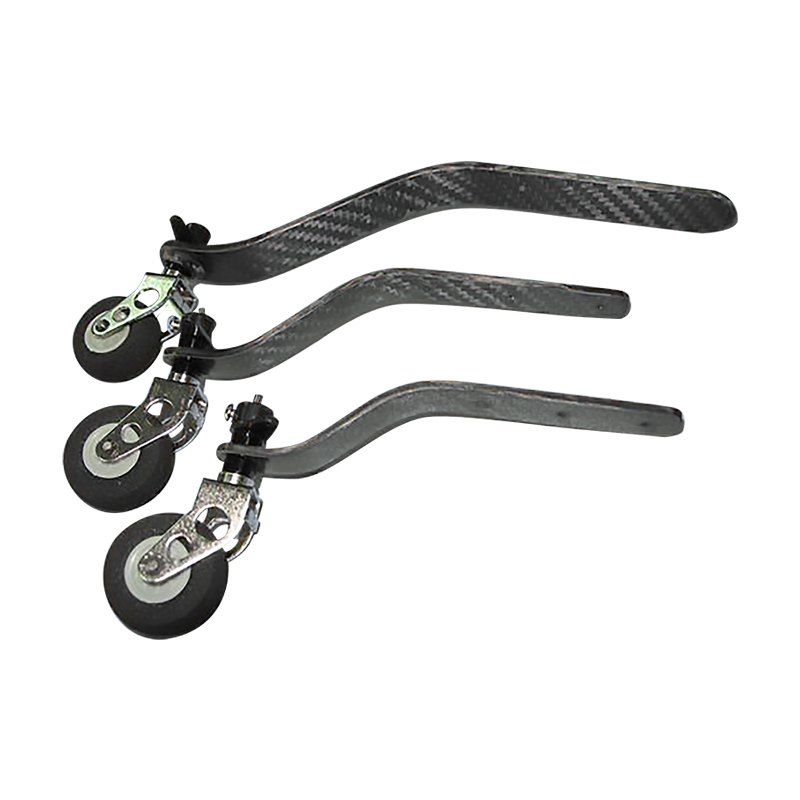
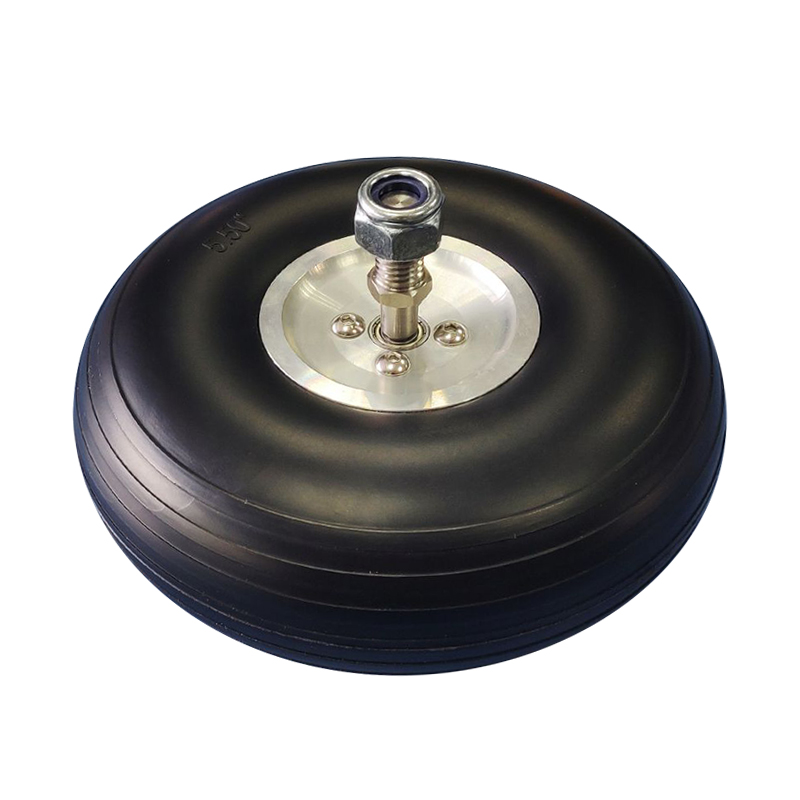
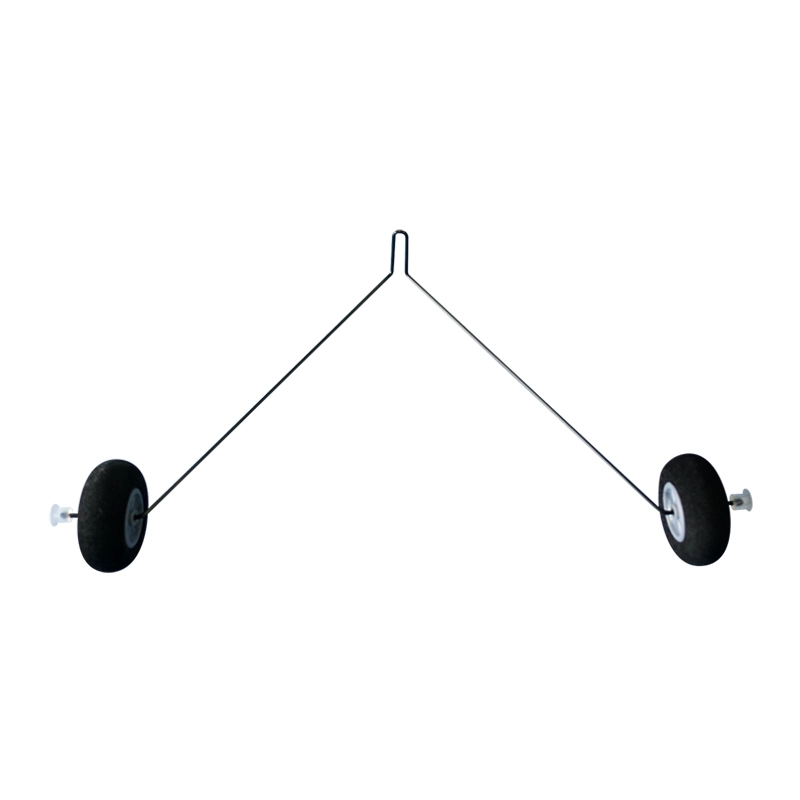
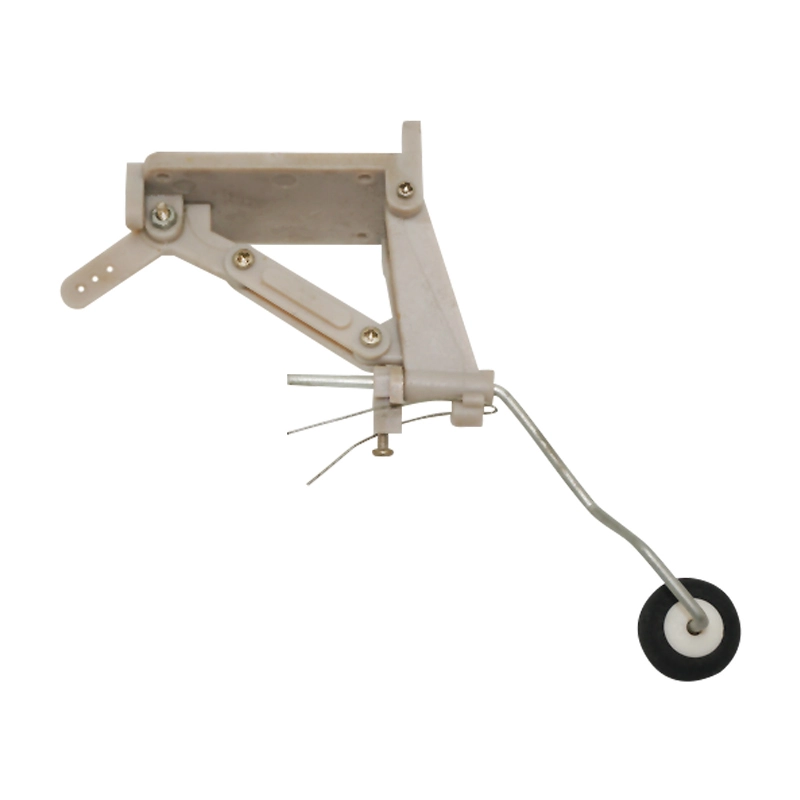
- Wheel retainers, axles and steering links: These small parts bend or pop loose easily. Having replacements means you can fix a bad landing on the spot.
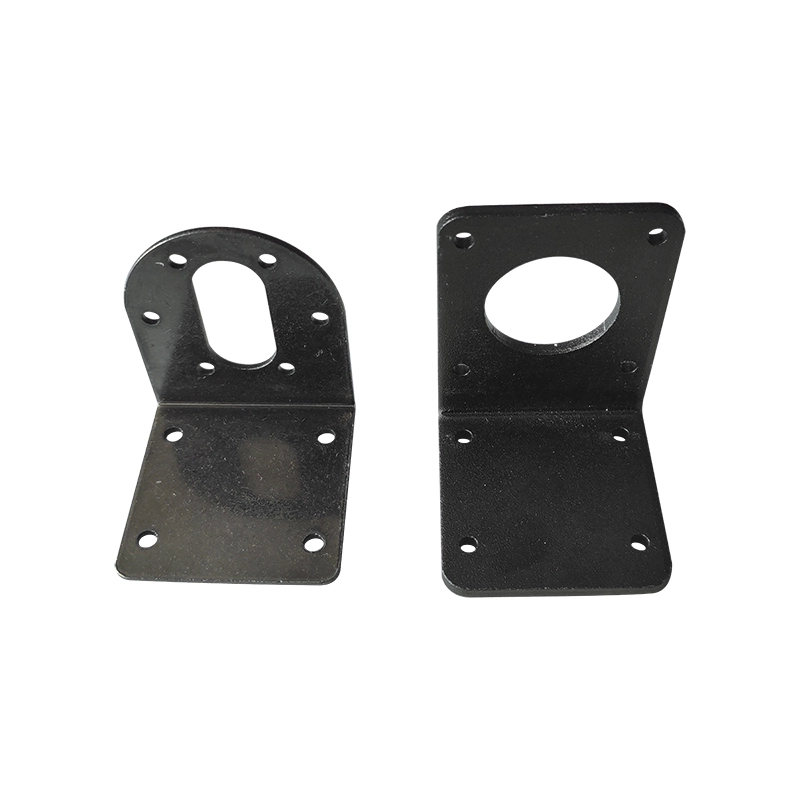
- Landing gear mounts: Cracked or loose gear mounts are a common cause of ground handling issues.
General Fasteners
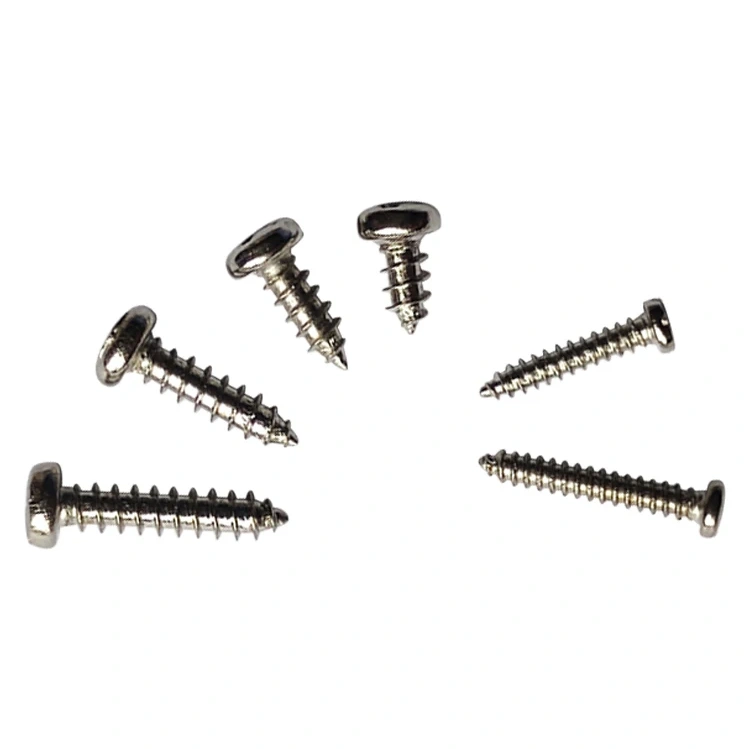
Extra screws, nuts and washers in the sizes used on your model. Vibration works screws loose over time, and losing one at the field is frustrating.
Build & Field Maintenance Supplies
These small items make assembly, adjustment and field repairs much easier.
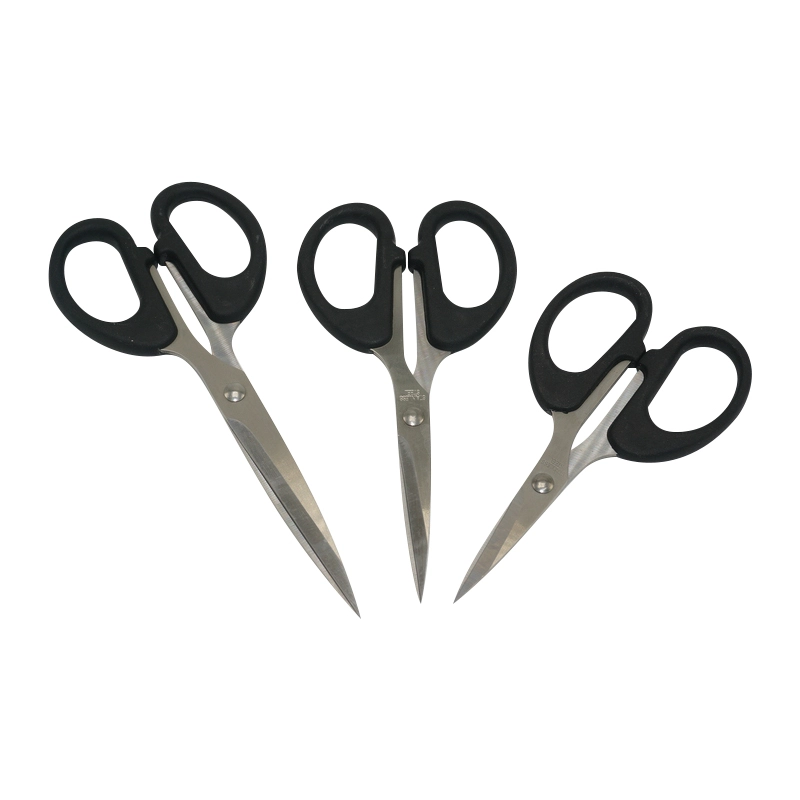
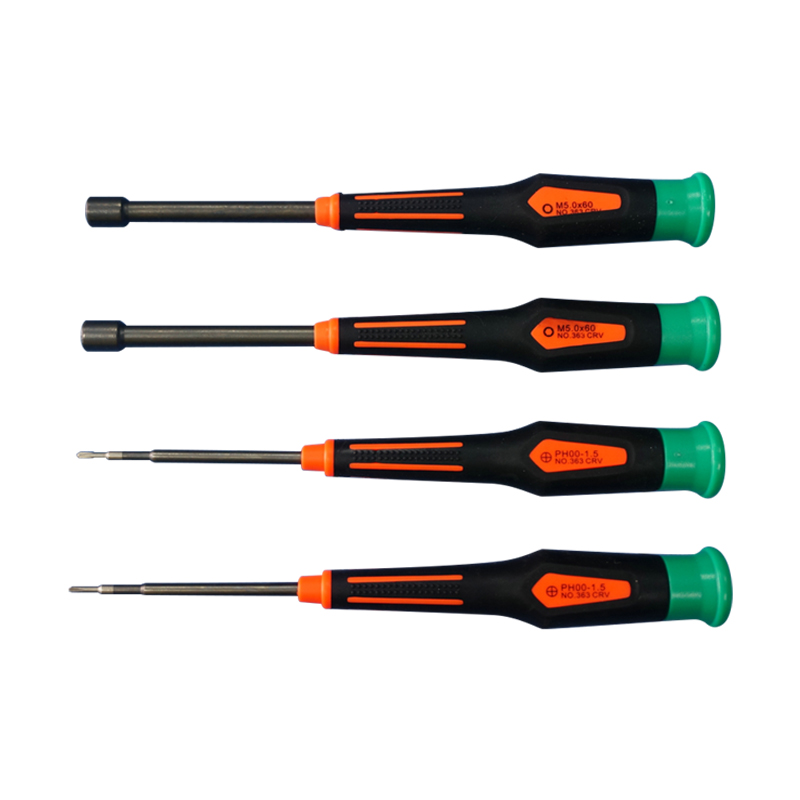
- Basic tool set: Hex drivers, Phillips screwdrivers and a small pair of pliers cover most field adjustments.
- Model glue: CA glue for quick field repairs, and the appropriate adhesive for your airframe material (foam, wood or plastic).
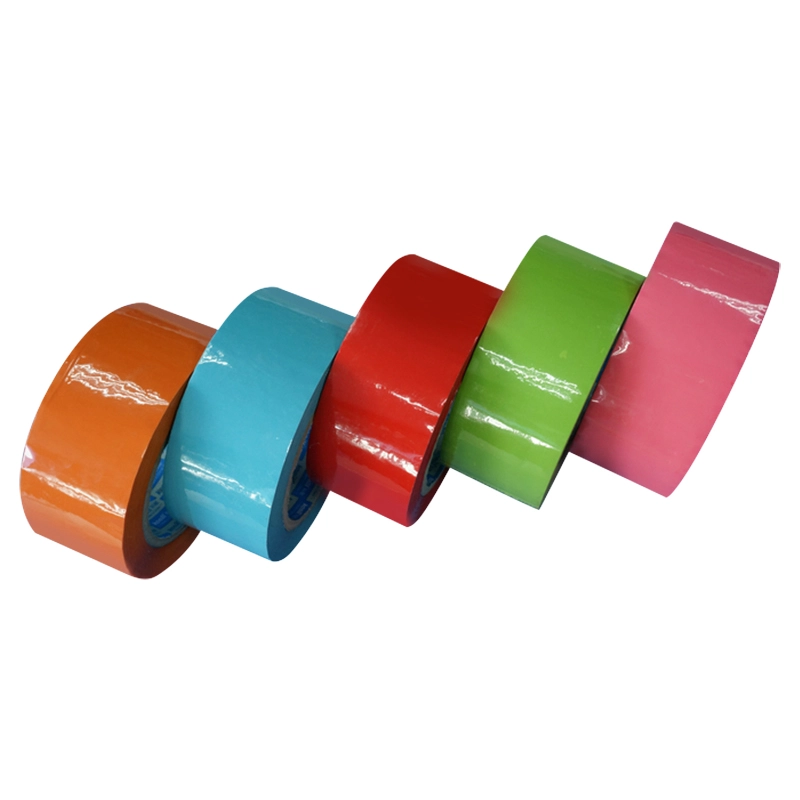
- Hinge tape: For reinforcing worn foam hinges before they tear completely.
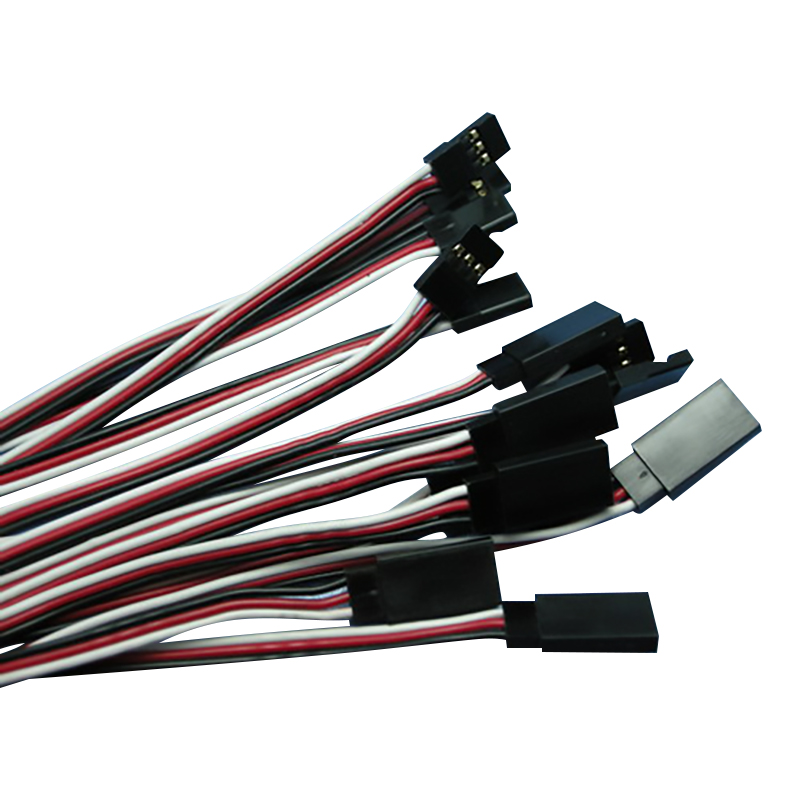
- Zip ties and hook-and-loop tape: For securing batteries, wiring and loose components.
Pro Tips for Beginners
- Start with the minimum, then add. You do not need every accessory on day one. Start with what your manual requires, plus a spare prop and basic tools.
- Keep spare control hardware. Most beginner crashes happen because of loose or broken linkage parts, not electronics.
- Check before every flight. A quick preflight check of all screws, clevises and hinges will catch most issues before they cause a crash.
Conclusion
Getting started in RC flying takes more than just the airplane itself. While basic electronics get you in the air, quality mechanical hardware and spare parts are what keep you flying reliably and avoid unnecessary crashes. Building up a small collection of control horns, clevises, hinges, propellers and basic tools will let you fix most common issues right at the flying field.
If you need replacement control hardware, spare parts or build supplies for your RC model, browse our full range of RC airframe parts and accessories.