EN

Introduction: Screwless nylon control horns can replace damaged horns on many lightweight foam electric aircraft when the old mounting surface is solid and the pushrod angle is reasonable.
A repair workshop often receives a lightweight foam trainer with a cracked aileron horn, a loose elevator horn, or a horn that snapped after a hard landing. The replacement decision is not just about finding another nylon control horn. It is whether screwless RC control horns can sit correctly on the old foam surface, match the pushrod angle, and handle the loads of a lightweight electric plane. Gasoline models and industrial UAVs require a different class of hardware. The decision rests on fit and on the details to confirm before quoting.
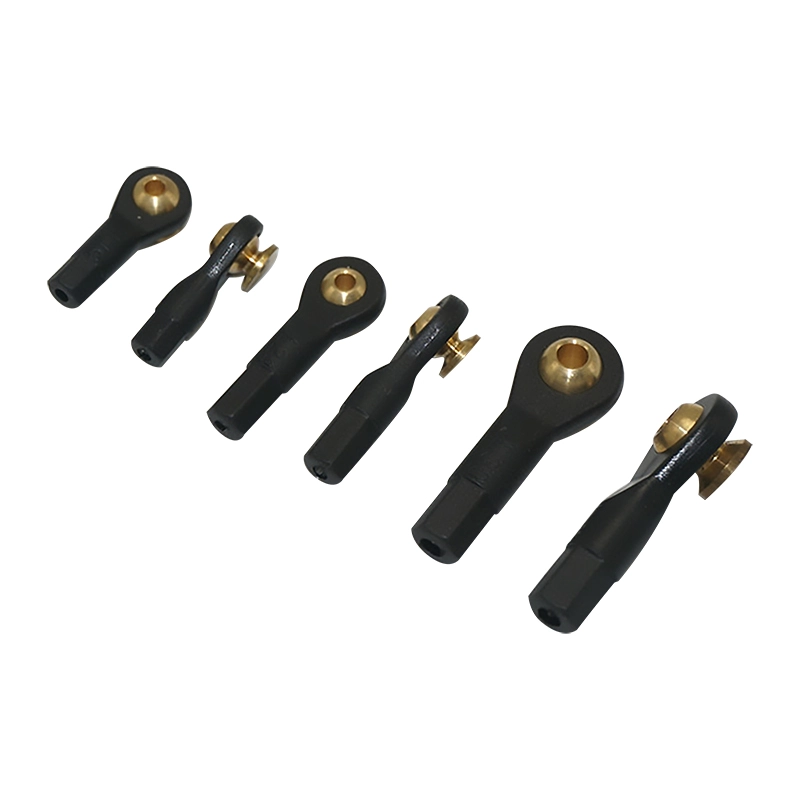
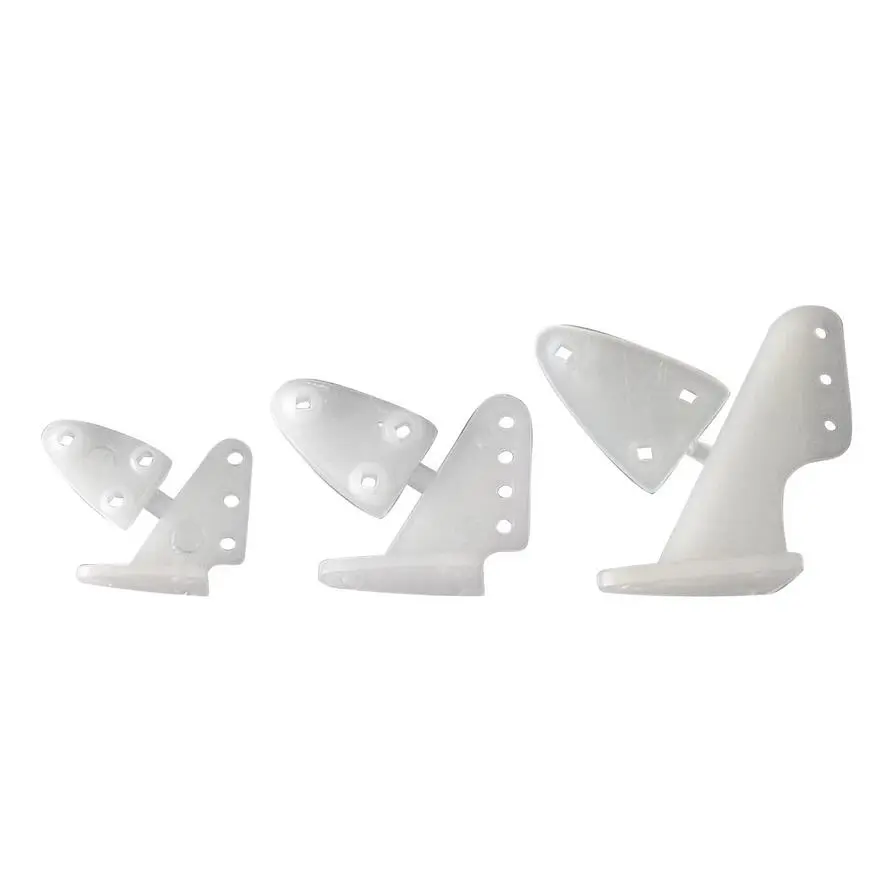
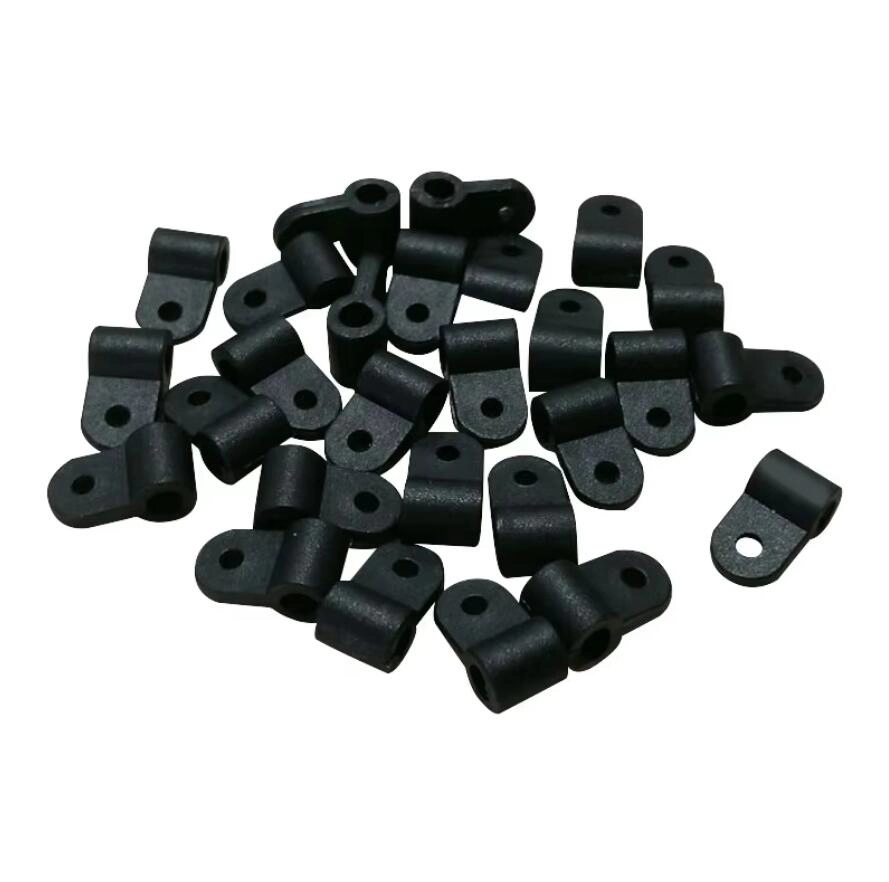
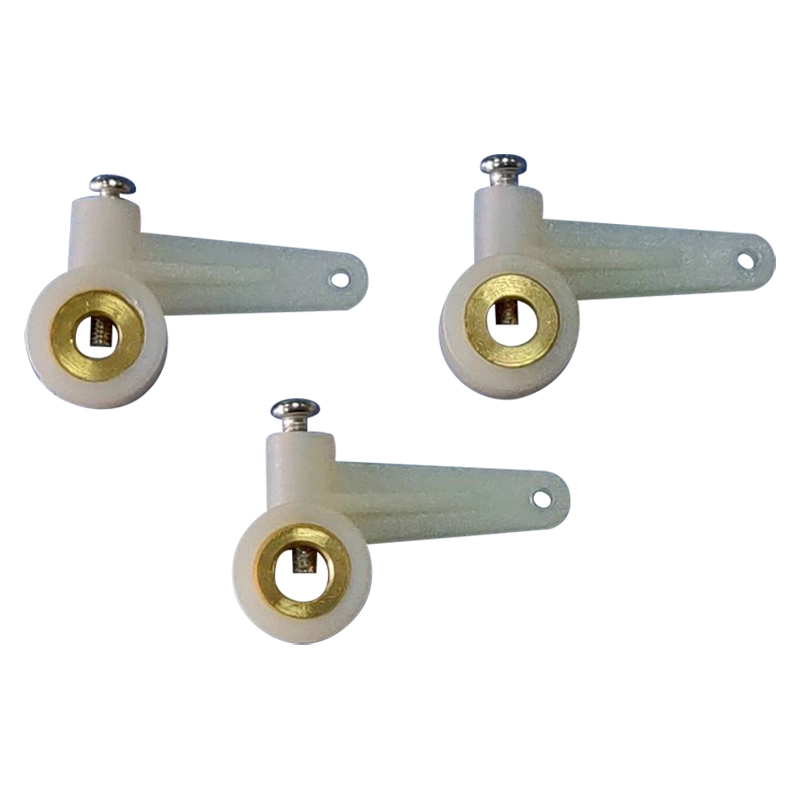
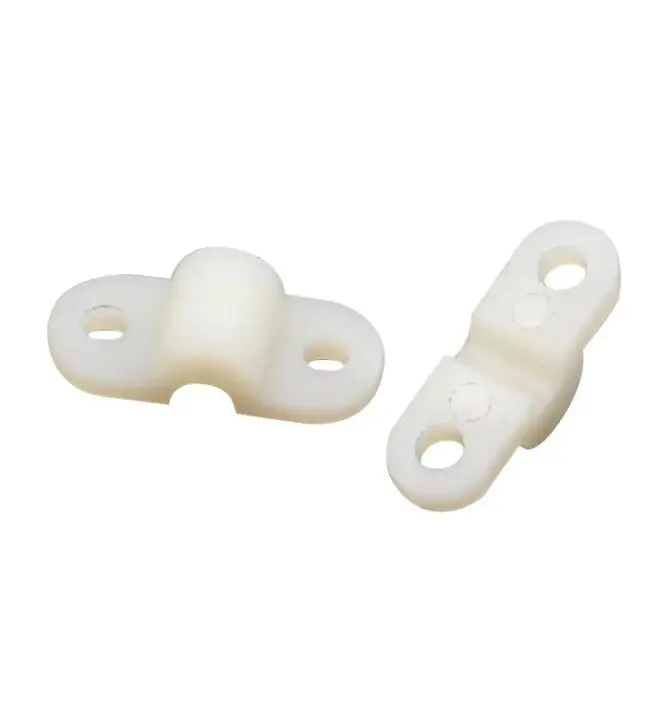
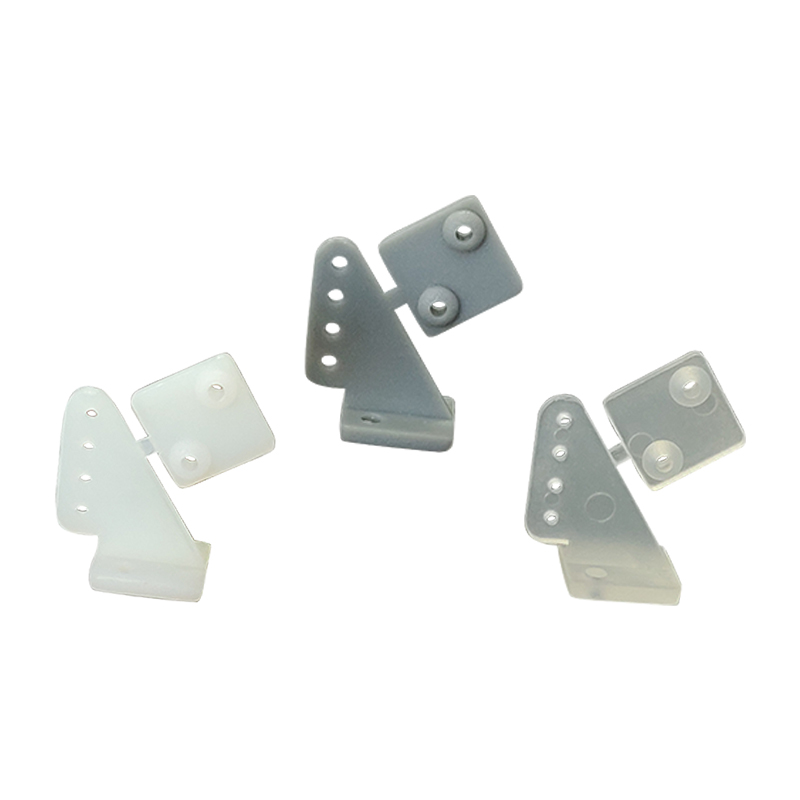
Screwless nylon control horns are a practical replacement choice for many lightweight foam electric aircraft. A 10-piece pack of nylon pin horns or zip horns gives a repair bench enough spares for several aileron and elevator repairs. The high-strength nylon body keeps weight low, which matters on foam trainers where tail weight and control-surface balance affect flight trim. The 3-hole and 4-hole arms allow the pushrod to be moved between holes, so the same horn family can serve different servo arms and control throws. S/M/L variants cover small foam boards, mid-size trainers, and slightly larger electric fixed-wing models. Because no screws are included, the installer can choose the fixing method that matches the foam thickness, such as glue, a user-supplied backing plate, or suitable small screws from the workshop bin. These horns are not a universal replacement for every RC aircraft. They are not positioned for gasoline RC planes or industrial UAV systems. On a lightweight foam electric plane, the horn can replace a damaged nylon or plastic horn when the mounting area is intact and the pushrod runs at a sensible angle. If the foam around the old horn is crushed or soft, a new horn alone will not restore a reliable control surface. The repair needs a solid mounting surface first. In short, screwless nylon horns fit the lightweight foam replacement case well, and they stay out of heavy-fuel or industrial use.
Nylon toughness and measurement tolerance are the two details that decide whether a replacement feels straightforward or turns into extra bench work. High-strength nylon is chosen because it bends and absorbs impact better than brittle plastics, but it still needs proper support from the foam surface and the fixing method. The published ±1-3 mm manual tolerance also means the dimensions you receive may differ slightly from the nominal size. Plan for minor adjustment instead of assuming a zero-clearance fit.
Thermoplastics resist cracking according to their structure and the way they are loaded. Nylon is known for toughness and wear resistance, which is why it appears in small parts that flex and vibrate. In a foam RC plane, that toughness helps the horn survive repeated aileron and elevator movement, minor crashes, and the vibration of an electric power system. A brittle plastic horn may crack at the base or split around a fixing point, while a nylon horn is more likely to flex and return. That advantage only holds when the horn is supported correctly. If the base sits on soft, uneven foam, the load concentrates at one edge and the foam can crush. A flat mounting surface, a thin backing plate, or a glued base spreads the load. The pushrod should also line up with the selected hole so the horn is not pulled sideways. Nylon toughness helps, but correct support is what keeps the replacement working.
The ±1-3 mm manual tolerance is a practical allowance, not a defect. A horn marked with one size may measure slightly differently when checked with calipers. For replacement work, measure the old part across the base, from the mounting surface to the outermost hole, and between the pushrod holes. Compare those numbers with the S/M/L variant you plan to order. If the old horn used four holes and the replacement uses three, the pushrod travel and resolution will change, so the linkage may need adjustment. A difference at the upper end of the tolerance may call for a different variant. The old horn dimensions matter more than a generic size label.
A useful quote starts with the plane and the old part, not just the product name. This no-screw nylon pin horn set ships as 10 pieces per pack, in high-strength nylon, with 3-hole and 4-hole arms and S/M/L variants. Manual measurement tolerance is ±1-3 mm, and the package does not include screws. The workshop supplies its own fixings or uses glue. The exact nylon grade, hole diameter, and pushrod wire fit are not listed, so confirm them before you commit to a bulk order or quote a customer repair. If the pushrod wire is too thin for the hole, the linkage will have play. If it is too thick, the wire may not pass through cleanly. Both cases create extra work and can affect control response. When you request a quote from CompOrc Technology Solutions, send the old horn dimensions, the aircraft type, and the pushrod wire diameter. Ask for the measured S/M/L sizes, the hole count, the hole diameter, and whether the pack includes a backing plate or only the horn body. For a repair workshop, the 10-piece pack makes sense as a spare set, but the first step is to match one horn to one plane. Ask about sample packs, wholesale pricing, and current stock if you plan to keep these nylon control horns on the bench for repeat foam aircraft repairs. A supplier who can answer those questions helps you avoid buying a pack that sits unused because the hole size or arm length does not suit your common models.
Screwless nylon control horns can replace damaged horns on many lightweight foam electric aircraft, especially when the old mounting surface is solid and the pushrod angle is reasonable. The 10-piece pack, S/M/L variants, and 3-hole or 4-hole arms give a repair workshop useful flexibility. Keep the limits clear: these horns are for lightweight foam and electric RC replacement, not gasoline RC planes or industrial UAV systems. The ±1-3 mm tolerance and the no-screw packaging mean you should measure the old horn and plan the fixing method. Before ordering, confirm the variant dimensions, hole diameter, and pushrod fit with the supplier so the replacement goes on the plane, not back into the spare box.
A:Yes, for lightweight foam electric planes, screwless the product are a practical replacement when the old horn is damaged and the foam mounting area is still solid. They suit aileron and elevator linkages on foam trainers and similar electric models. Because the pack does not include screws, use glue, a user-supplied backing plate, or suitable small screws from your own bench. They are not intended for gasoline models or industrial UAVs.
A:It means the horn you receive may measure slightly differently from the listed size. For replacement work, measure the old horn’s base, arm length, and hole spacing, then compare those numbers with the S/M/L variant you plan to order. A small difference can often be accommodated by choosing a different pushrod hole or a different variant. If the difference is larger, confirm the exact dimensions with the supplier before quoting.
A:No. Lightweight the product are designed for electric airplanes and foam model control surfaces. Gasoline RC planes produce higher vibration and torque loads, and they usually need stronger linkage hardware with a larger load margin. For gasoline models, choose horns and pushrods rated for that type of aircraft. These screwless nylon horns are not positioned for gasoline RC planes or industrial UAV systems.
Copyright © 2005-2026 MySite Ltd. All Rights Reserved. POWERED BY UEESHOP