EN

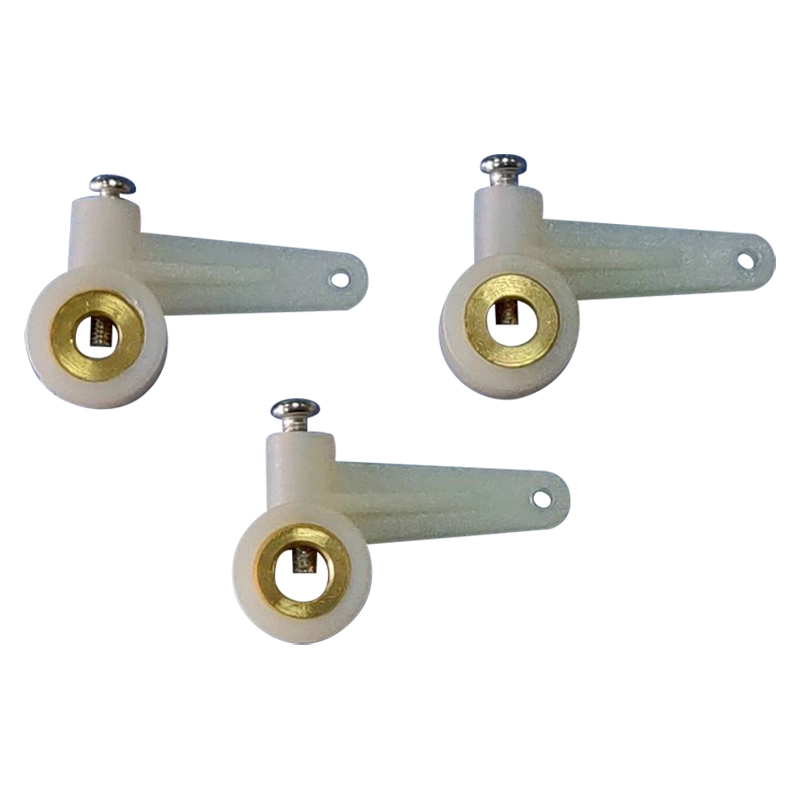
A cautious new buyer may arrive at a listing because they want to buy RC control horns or understand whether nylon control horns fit a foam or electric model aircraft project. The difficult part is not the basic category. A control horn is a small linkage-related part used around a model aircraft control surface. The difficult part is deciding which information is firm enough to rely on and which information is only a page-level clue that should be confirmed through the current option, order details, or direct contact. This article focuses on that boundary, using the Compo RC / CompOrc Technology Solutions product information for SKU HY007-00401 as a practical example without turning it into a purchase process.
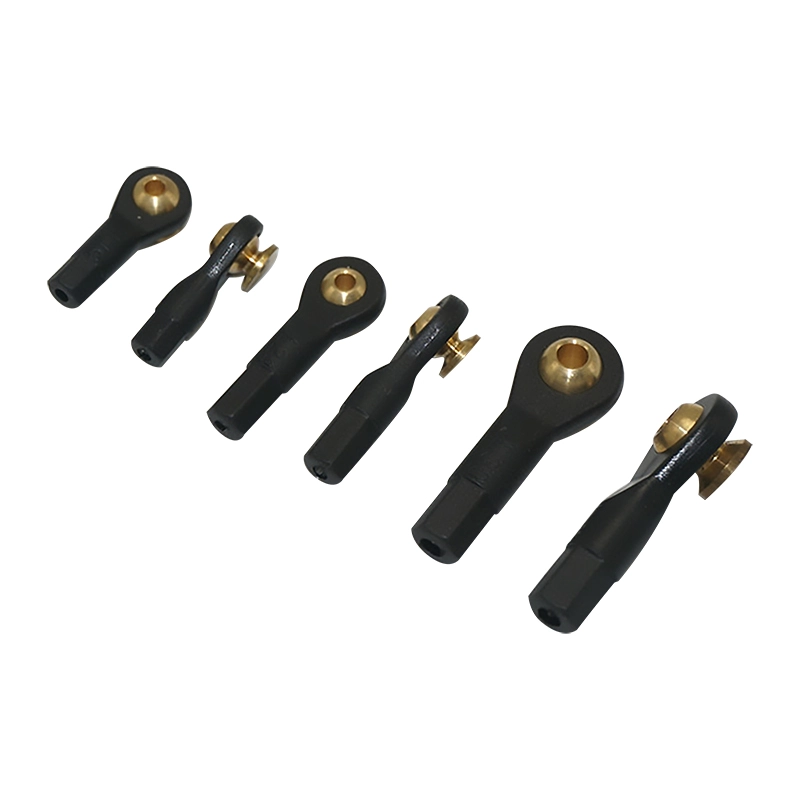
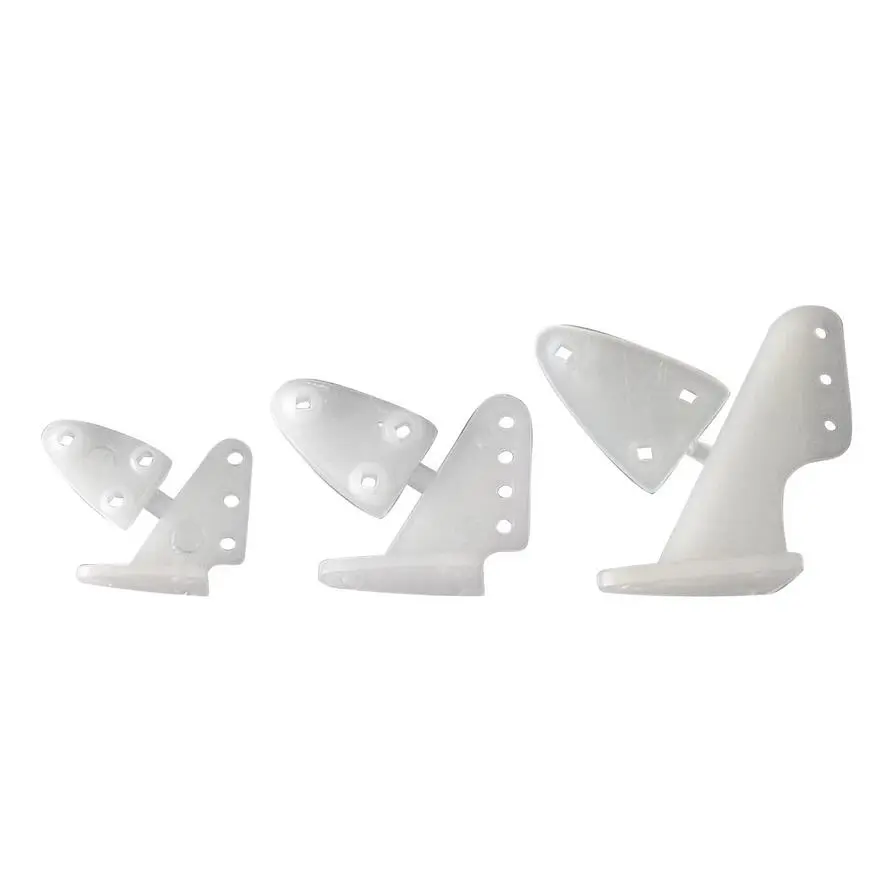
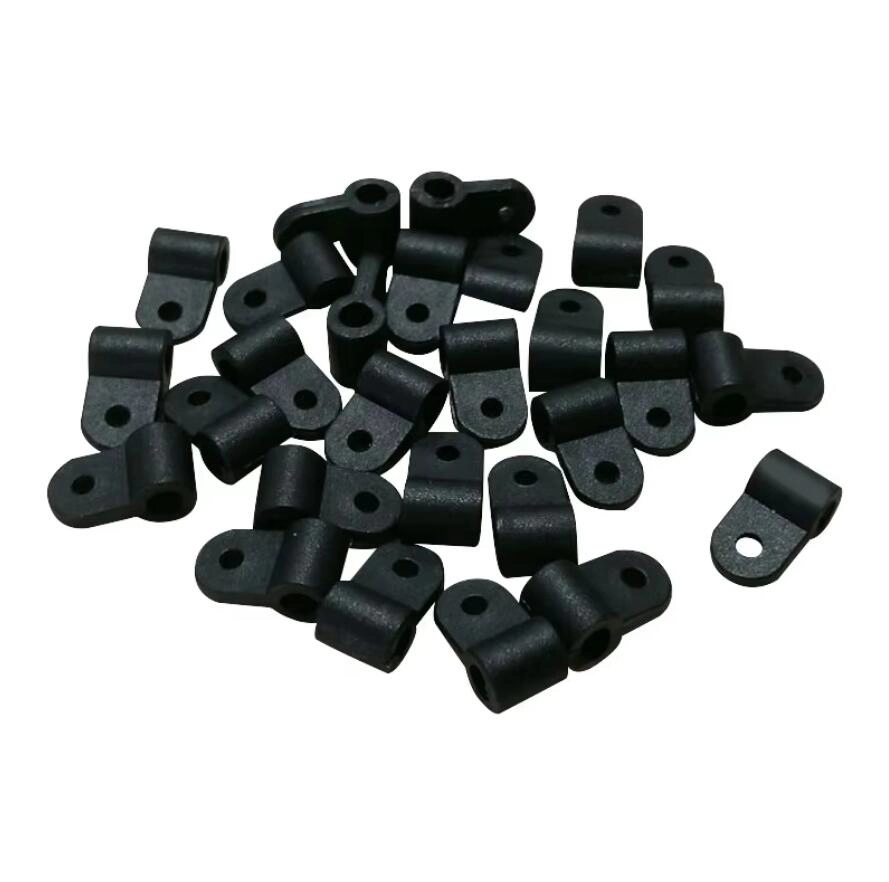
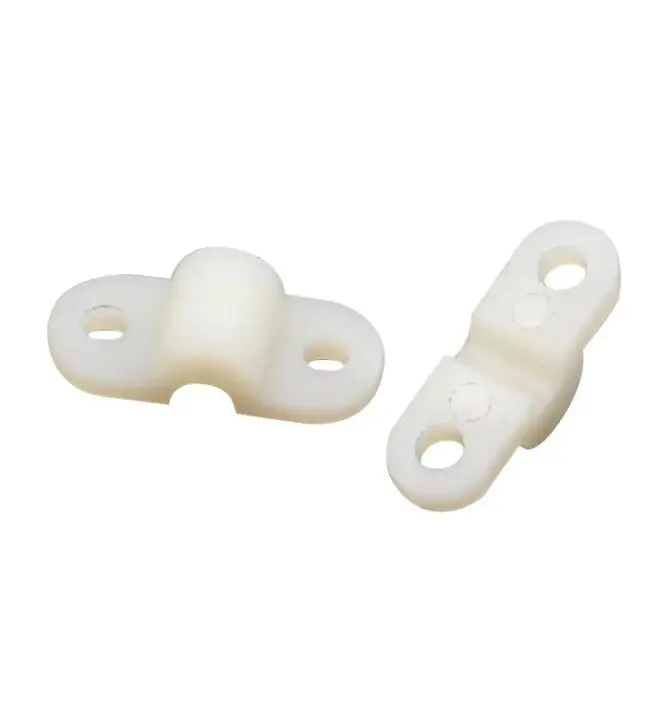
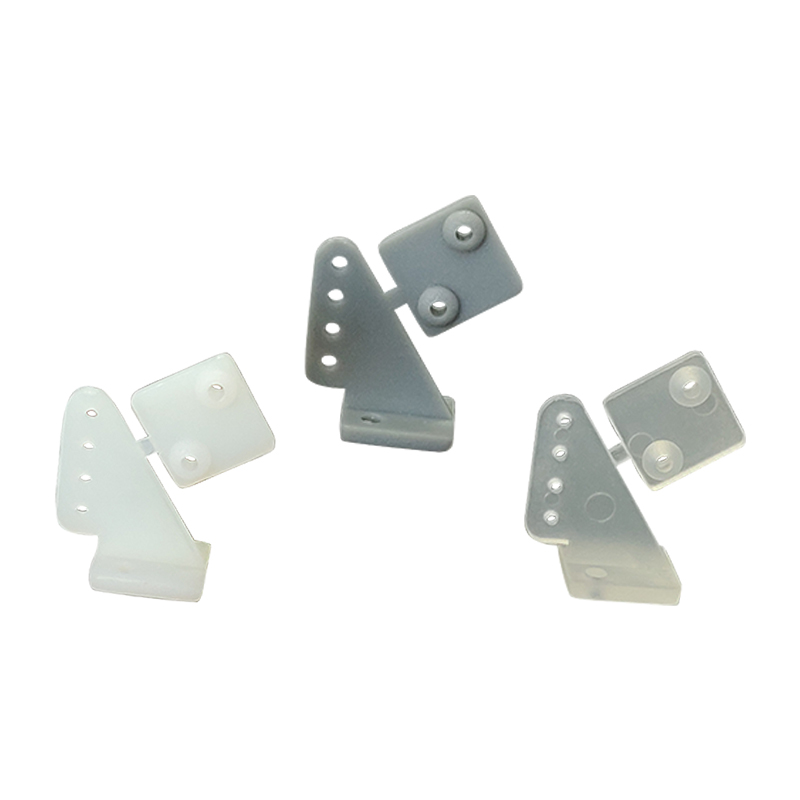
Packaging quantity is one of the easiest details to misread because it often appears in several places: the URL, title, variant selector, product description, package statement, and sometimes promotional copy. For this RC control horns listing, the wording creates a clear boundary issue. The title and link contain “10Pcs,” while the detailed product wording and visible variant options refer to “20 pcs,” including options such as 20pcs grey, 20pcs transparent, and 20pcs white. A new buyer should not flatten those signals into one confident statement. The safer reading is that both numbers are visible information clues, but neither should be treated as the final packaging commitment without current confirmation. This matters because “10Pcs” and “20 pcs” are not merely descriptive words. They affect how a reader understands the unit being described. A pack of control horns may be interpreted as a repair reserve, a small project supply, or a color-specific variant. If the final package quantity is different from the number a reader assumed, then price-per-piece, spare quantity, and project planning all change. The conflict does not prove that the item is incorrect, and it does not prove which number is right. It only marks a boundary where the current selectable option, cart summary, order confirmation, or customer service answer carries more weight than a single visible phrase. A useful way to read this kind of RC control horn information is to separate identifiers from changeable selling details. SKU HY007-00401 is a product identity clue. Nylon material, 4-hole design, length of 16mm, height of 20mm, 0.7g single-piece weight, and color options are specification clues. Packaging quantity is a commercial and variant-related clue, especially when the same listing contains conflicting numbers. That distinction helps prevent a common mistake: treating every visible phrase with equal certainty. In a risk boundary reading, repeated and structured details deserve attention, but conflicted details deserve confirmation before they are used as a fact.
Compatibility wording can be helpful, but it can also tempt readers to overextend the meaning of a product listing. This example uses wording around RC airplanes, electric planes, foam model aircraft, and replacement accessories. Those phrases are useful because they locate the nylon control horns within a model aircraft parts setting. They do not provide a complete fitment standard, a specific model list, or proof that the part works across every RC category. Without hole diameter, hole spacing, pin dimensions, control rod size, mounting surface details, or model-specific instructions, compatibility remains a bounded clue rather than a universal claim.
The reason this boundary matters is that RC control horns do not work alone. They sit inside a small mechanical chain that may involve a servo arm, linkage rod, clevis or connector, control surface, hinge line, and mounting surface. A product phrase such as “foam model aircraft” helps a reader understand the intended neighborhood of use, but it cannot replace the missing mechanical fit information. That is especially important for beginners because a control horn may look simple, while the final fit depends on geometry and matching parts. A 4-hole control horn can imply adjustment possibilities, but it does not state the hole diameter or linkage size. “Without screws” can describe what is not included or how the item is named, but it does not explain the full installation method. The compatibility boundary protects the reader from turning category language into a specific fit guarantee.
Commercial signals require a different kind of caution from technical specifications. This RC control horns listing has price-related clues, including $1.41 and $0.00 appearing in the available information. A buyer searching “buy rc control horns” or “buy nylon control horns” may naturally pay attention to those numbers, but visible price signals should be read as time-sensitive page information, not as a permanent price policy. A price display can vary by variant, currency setting, cart behavior, sale status, or site update. When two numbers appear in the same information environment, the safer interpretation is that the current cart or checkout context would need to settle the price question. Delivery and stock details should be treated with similar restraint. The presence of e-commerce functions such as cart access, account login, order history, and product options suggests that the site is built for online product browsing and ordering. It does not, by itself, confirm stable inventory, dispatch timing, shipping cost, delivery region, return terms, or warranty handling. FTC guidance on internet selling and prompt delivery is useful here as a general principle: delivery promises and order fulfillment statements need clear and careful treatment. That source does not say anything about Compo RC’s actual delivery timing; it simply supports the broader reading that shipping and fulfillment claims should not be invented from a product listing. Dealer and brand signals also need narrow interpretation. Compo RC information includes a “BECOME A DEALER” entry point, and the site includes contact routes. Those are legitimate commercial-entry clues, but they are not the same as confirmed wholesale pricing, MOQ, distributor approval, regional authorization, private-label service, or OEM/ODM terms. A reader can understand that dealer inquiry is visible as a possible contact direction, while still avoiding unsupported assumptions about what the policy contains. The USPTO’s trademark basics are relevant only as a general reminder that names, brands, and commercial identifiers have intellectual property boundaries; they do not turn a dealer link into permission to infer custom branding or distribution rights. Advertising principles matter for the same reason. FTC advertising guidance emphasizes that claims should be truthful, not misleading, and supported where support is needed. In this article, that principle applies to the way price, packaging, compatibility, and commercial signals are described. It is acceptable to say that the listing contains nylon control horns, SKU HY007-00401, visible grey / transparent / white options, 4-hole wording, “without screws” wording, aircraft-related compatibility clues, and conflicting packaging or price signals. It would be too much to turn those clues into fixed purchase policies, guaranteed delivery, universal fitment, or confirmed dealer terms. For a cautious new buyer, the skill is not to ignore product information; it is to grade the certainty of each piece of information before relying on it.
RC control horns product information is most useful when read in layers. Stable clues such as SKU, material, colors, size, weight, and model-type wording help readers understand the product category. Conflicted details such as 10Pcs versus 20 pcs, or $1.41 versus $0.00, should be treated as current-confirmation items rather than fixed facts. Compatibility wording for RC airplanes, electric planes, and foam model aircraft should stay close to those listed model types and should not become universal RC compatibility. For this Compo RC example, the practical next step is simply to read the current product information carefully, compare the visible options, and treat unresolved packaging, price, delivery, and dealer details as information boundaries.
Q:Why can 10Pcs and 20 pcs both matter when reading RC control horns packaging information?
A:They matter because both numbers appear as visible packaging signals, but they point in different directions. “10Pcs” appears in the title or link wording, while “20 pcs” appears in the detailed description and variant-style wording. That conflict means the final package quantity should not be assumed from one phrase alone. The current selected option, cart details, order confirmation, or direct clarification should carry more weight than either isolated number.
Q:Does searching to buy RC control horns confirm price, stock, or delivery terms?
A:No. A search phrase such as “buy RC control horns” only shows that the reader has purchase-related interest. It does not confirm the current price, stock status, shipping cost, delivery time, return policy, MOQ, or dealer terms. Visible site features such as price display, cart access, account login, and order history are useful e-commerce clues, but purchase conditions still depend on the current page state and order information.
Q:Can foam model aircraft compatibility wording mean the control horns fit every RC plane?
A:No. Foam model aircraft wording supports a foam-aircraft-related use context, but it does not equal universal RC plane compatibility. Fit still depends on details such as airframe size, control surface design, linkage geometry, mounting surface, hole dimensions, and related hardware. Without specific model lists or installation dimensions, compatibility should remain limited to the listed aircraft-type clues rather than expanded to all RC categories or all model airplanes.
Selling on the Internet: Prompt Delivery Rules
Advertising FAQ's: A Guide for Small Business
Compo RC 10Pcs Nylon 4-Hole Control Horns Product Information
Copyright © 2005-2026 MySite Ltd. All Rights Reserved. POWERED BY UEESHOP