EN

For foam and electric RC airplane hobbyists, the useful question is not whether one horn fits every model. It is whether the application wording, material, size, and structure give enough context to understand where a control horn is being discussed. RC control horns sit in the mechanical path between a servo-driven linkage and a moving control surface, so their use depends on the aircraft layout, the surface being moved, and the hardware around them. This article explains the electric plane and foam model aircraft scenario without turning that scenario into a full compatibility claim.
Electric RC airplanes and foam model aircraft often bring control horn discussions down to small, light, practical hardware. The airframe may be compact, the control surfaces may be thin, and the builder may be working with molded foam, sheet foam, balsa-reinforced foam, or mixed materials. In that setting, RC control horns are not the whole control system. They are one visible part of the connection between servo movement and a control surface such as an elevator, rudder, or aileron. RC Airplane World’s explanation of RC airplane controls is useful here because it frames control surfaces as the moving parts that respond to pilot input through the radio and onboard control hardware. That matters because “electric plane” and “foam model aircraft” are scenario words, not automatic fitment words. Electric power tells the reader something about the model category and common lightweight building style, but it does not identify the horn mounting pattern, linkage diameter, servo arm geometry, hinge line, foam density, or surface thickness. Foam model aircraft wording is similar. It points toward a familiar hobby environment where small nylon control horns may be discussed as replacement accessories, yet it does not prove that a specific horn will match every foam wing, tail, or control surface. The useful reading habit is to treat the aircraft type as the first layer of context, then look for product-page facts before assuming fit. This distinction prevents two common misunderstandings. One is treating RC control horns for RC airplanes as if the phrase names a universal category with shared dimensions. The other is reducing the part to its material or weight alone. A 0.7g nylon horn may be lightweight, but weight is only one clue. A control horn still has to work with the airframe structure, the control surface, and the linkage hardware. In foam and electric aircraft, low weight and compact size can be relevant, but the final match depends on dimensions and connection details that are more specific than the aircraft category.
When a listing uses aircraft wording such as RC airplanes, electric planes, and foam model aircraft, it gives readers a useful application signal. It says the part belongs in a model aircraft control-surface discussion rather than in RC cars, boats, industrial controls, or full-size aviation hardware. For a hobbyist scanning RC airplane parts and accessories, that signal narrows the mental category: the part is being presented around model aircraft control setups and replacement accessory use. It also helps separate a control horn from nearby parts such as hinges, clevises, servo arms, rods, or control surfaces themselves, even though all of those items may appear in the same mechanical chain. The limit is that scenario wording is not the same as a model list. A phrase like RC control horns for foam model aircraft can be accurate as an application context while still leaving important fit details not specified. That is normal in small RC hardware descriptions. Many listings describe the intended model category because it helps readers understand the use environment, but they may not provide a tested compatibility table for each airframe, kit, or surface. The best interpretation is balanced: electric planes and foam model aircraft are supported contexts for discussion, while specific model fit remains something the builder has to evaluate from dimensions and hardware requirements.
The missing details matter because a control horn is not chosen in isolation. Model size affects the loads and available mounting area. Control surface type affects where the horn sits and how the linkage pulls or pushes. Linkage fit affects whether the rod, clevis, pin, or other connector can attach cleanly without binding or excessive play. None of those conditions is answered merely by the words electric plane or foam model aircraft. Even within foam models, a small park flyer, a trainer, a sport wing, and a larger foam scale model can use different linkage layouts and installation assumptions. This is why a scenario article should not become a replacement or maintenance article. It is useful to know that replacement accessories are part of the context, but judging whether an existing horn is worn, whether a repair is appropriate, or how to test the linkage after a change is a different task. The same boundary applies to safety and rules. BMFA and FAA recreational flyer resources help place model aircraft activity inside a broader responsibility environment, but they do not certify a specific SKU, prove its flight performance, or replace the builder’s own check of the finished control system. The practical takeaway is simple: read scenario wording as category evidence, then treat exact aircraft fit as a separate, model-specific decision.
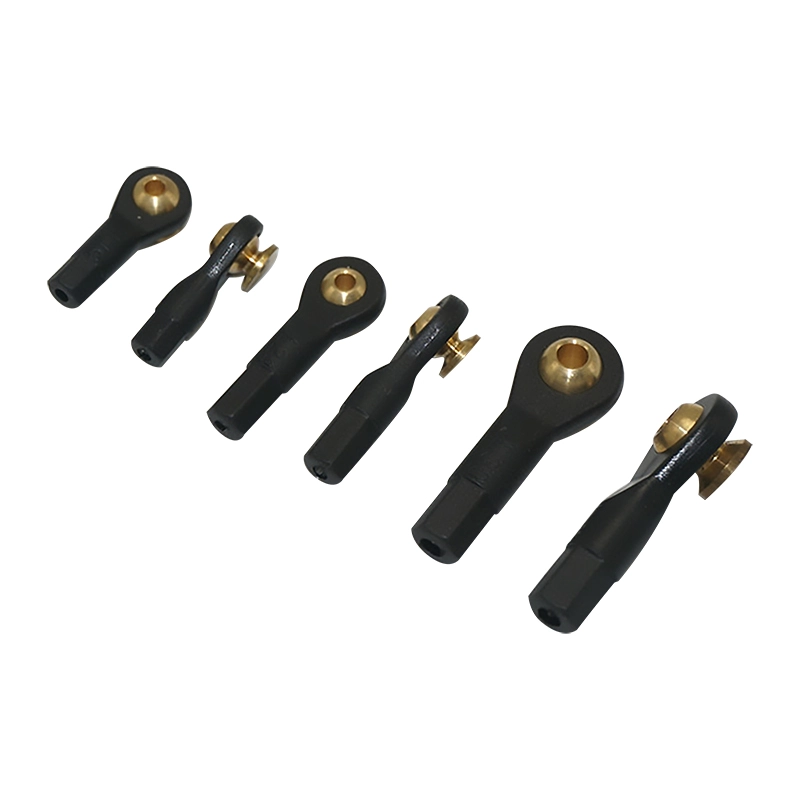
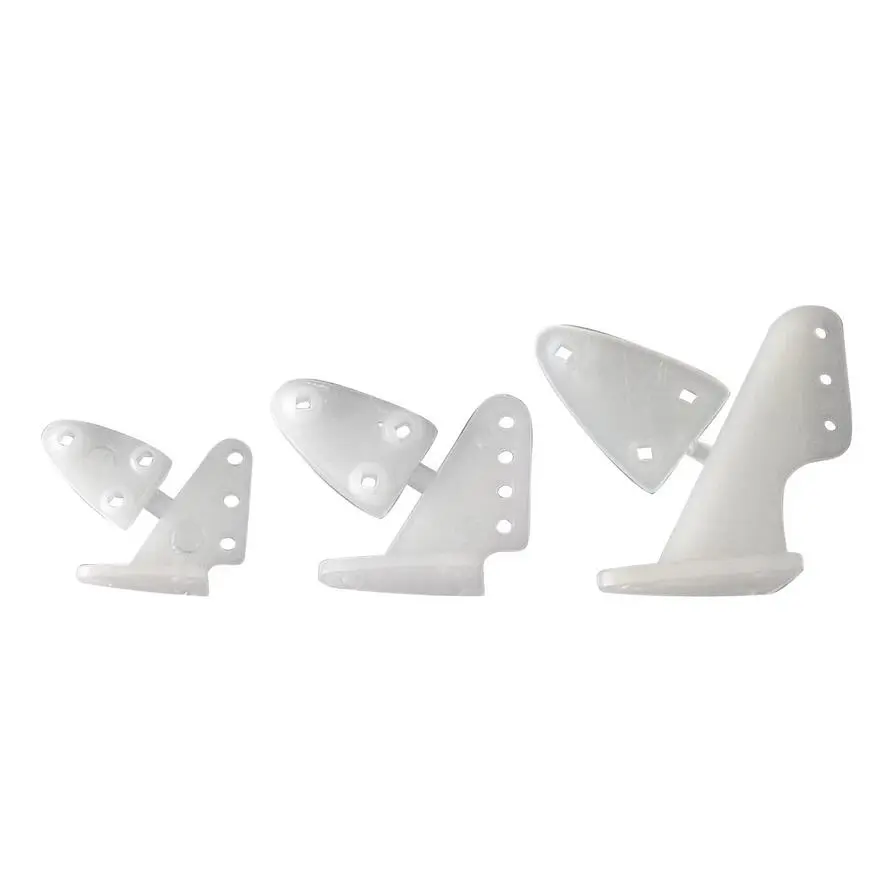
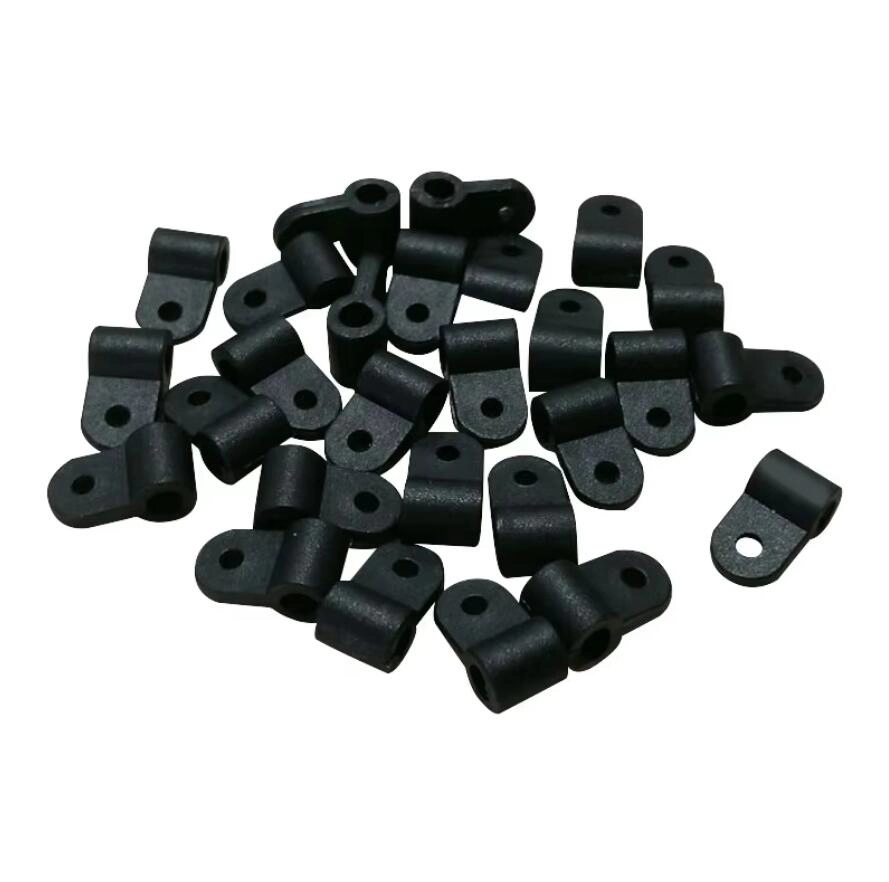
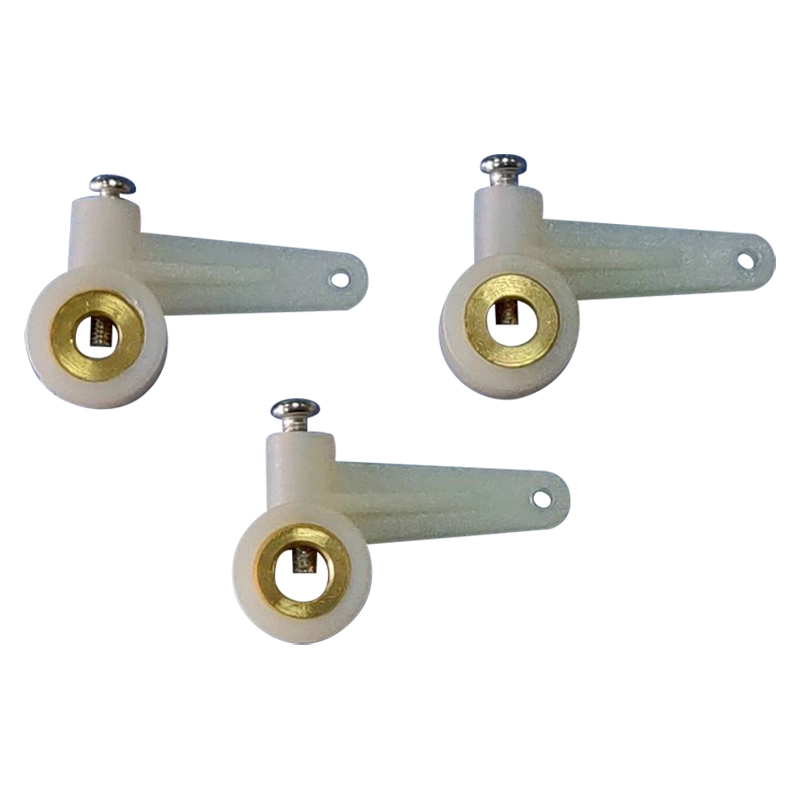
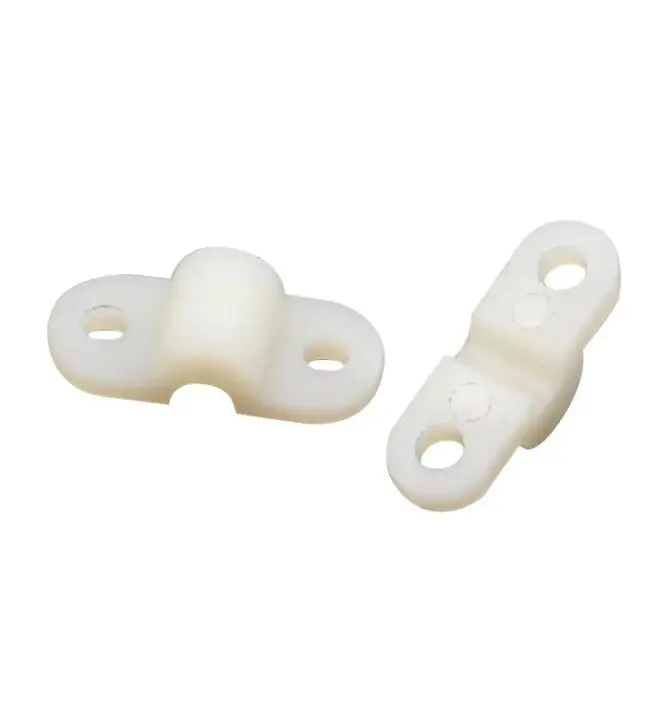
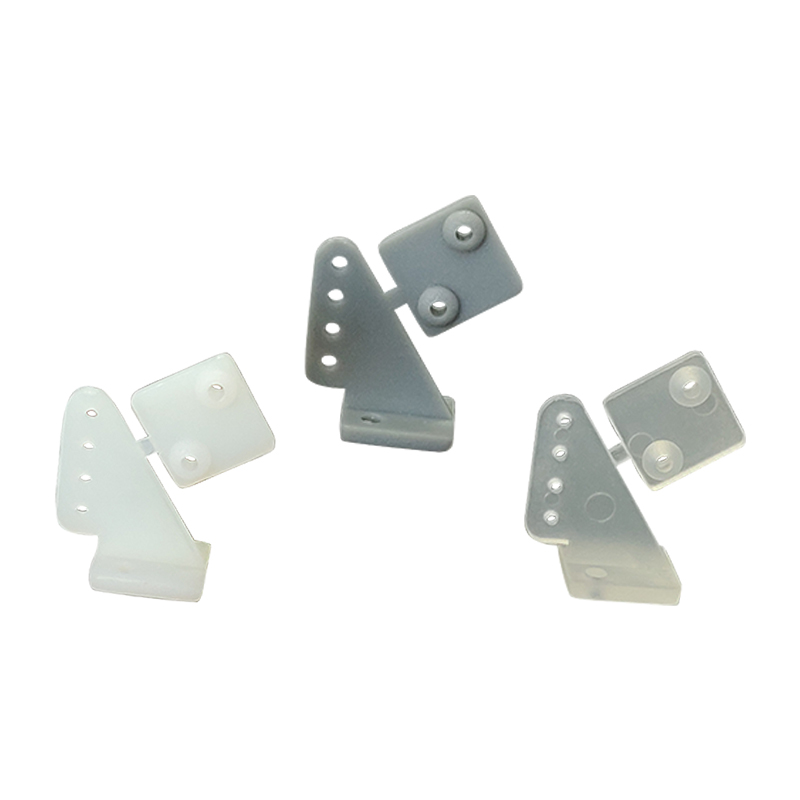
Compo RC’s nylon zip horn / pin horn listing is a useful example of scenario wording in use because the visible product facts place the item inside the RC airplane, electric plane, and foam model aircraft area. The part is described as a nylon control horn, with 4-hole wording, without screws, and with aircraft-related replacement accessory wording. Specification clues include 16mm length, 20mm height, 0.7g single-piece weight, and color options such as grey, transparent, and white. These details make the application context more concrete than a generic “control horn” label would. Those facts also show why careful reading is necessary. Nylon control horns can be sensible to discuss around lightweight electric and foam aircraft because the material and 0.7g weight align with small RC airplane accessory use. The 4-hole wording tells the reader that the horn has multiple connection or mounting-related holes, but it does not provide every missing measurement, such as hole diameter, hole spacing, total thickness, pin dimensions, or linkage compatibility. The “without screws” wording is also a visible feature of the listing, but it should not be stretched into a complete installation method. Without a detailed installation diagram or aircraft-specific instructions, it remains a product description clue rather than proof of how every builder should mount it. The same careful reading applies to broad suitability phrases. If a listing refers to a wide range of models or various model types, that language can help the reader understand intended breadth, but it should still be read conservatively. A foam model aircraft hobbyist can reasonably recognize the product as being discussed for RC airplanes, electric planes, and foam model aircraft replacement contexts. That same reader should still compare the horn’s length, height, weight, material, surface location, and linkage needs against the actual aircraft. In other words, the Compo RC example supports the article’s use-scenario point: application wording helps identify the relevant hobby environment, but it does not become an all-model compatibility statement. For readers building category understanding, this is enough to make the product information useful without turning it into a hard sales claim. The aircraft words define the scenario. The nylon, 4-hole structure, 16mm by 20mm size, and 0.7g weight give the scenario more shape. The dimensions and model-specific hardware details not shown on the page define the boundary. That is the right level of interpretation for RC control horns in electric and foam model aircraft discussions.
RC control horns are commonly discussed for electric planes and foam model aircraft because those models often use small mechanical parts to connect servo-driven linkages with lightweight control surfaces. The useful interpretation is scenario-based: aircraft wording can show that a product belongs in the RC airplane control-surface environment, while exact fit still depends on the model, surface, and linkage hardware. Compo RC’s nylon control horn listing provides concrete application clues through its RC airplane, electric plane, foam model aircraft, nylon, 4-hole, size, and weight details. Read those clues as context, then confirm the specific match before treating any horn as suitable for a particular aircraft.
Q:Are RC control horns commonly discussed for electric planes and foam model aircraft?
A:Yes. RC control horns are commonly discussed in electric plane and foam model aircraft contexts because these models use control surfaces that need a mechanical connection to servo-driven linkages. The aircraft type gives useful application context, especially for lightweight replacement parts, but it does not identify every required dimension or linkage detail by itself.
Q:Does foam model aircraft wording mean a control horn fits every foam RC plane?
A:No. Foam model aircraft wording means the control horn is being discussed in a foam RC aircraft use context, not that it fits every foam model. Foam aircraft differ in size, control surface layout, material thickness, linkage hardware, and installation style, so the specific model and connection details still need to be checked.
Q:What product facts help readers understand the intended use context for these RC control horns?
A:Helpful facts include the aircraft wording, nylon material, 4-hole description, without-screws wording, 16mm length, 20mm height, 0.7g weight, and available colors. Together, these details support an electric plane and foam model aircraft scenario, while exact model compatibility and linkage fit still need separate confirmation.
RC Airplane Controls Explained - RC Airplane World
Recreational Flyers & Community-Based Organizations
Compo RC Nylon Zip Horns / Pin Horn Without Screws 4Hole RC Airplanes Parts
Copyright © 2005-2026 MySite Ltd. All Rights Reserved. POWERED BY UEESHOP