Introduction
A quick preflight check is the easiest way to avoid crashes and keep your RC plane flying reliably. Whether you are gearing up for a maiden flight or just a regular weekend sortie, running through this simple checklist on the ground will catch most issues before they turn into problems in the air.
Control Surfaces & Linkage Hardware
Start with the most critical flight controls.
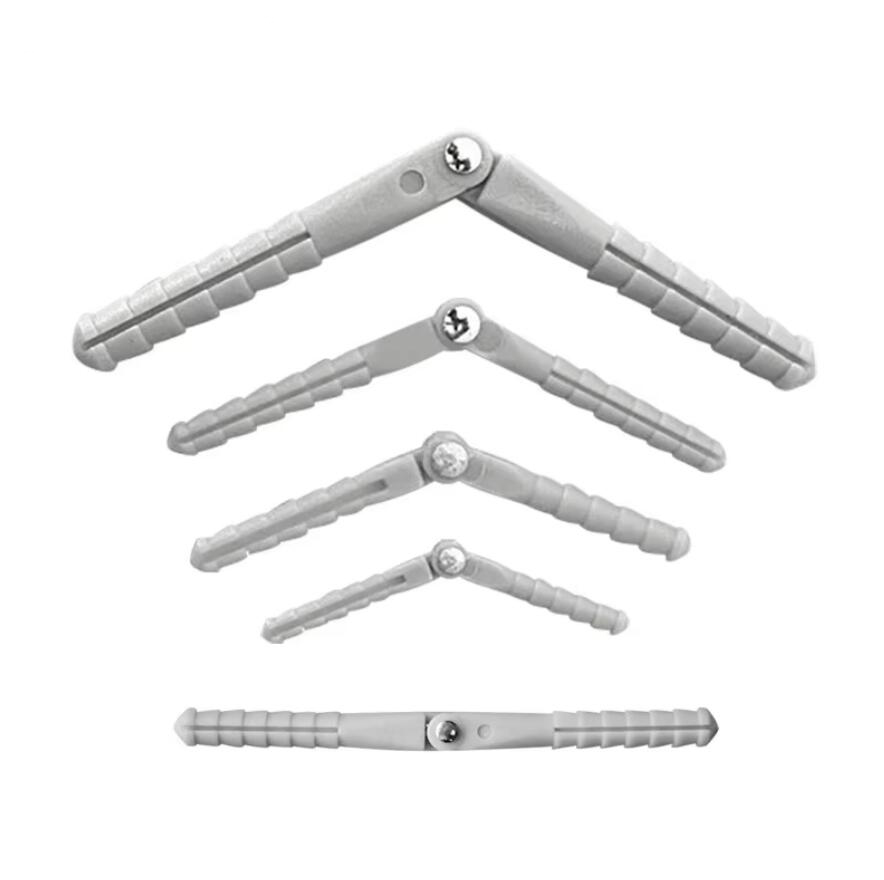
- Check all hinges for cracks, tears, or looseness. Foam hinges wear out over time. Reinforce weak spots with hinge tape, or replace worn hinges before you fly.
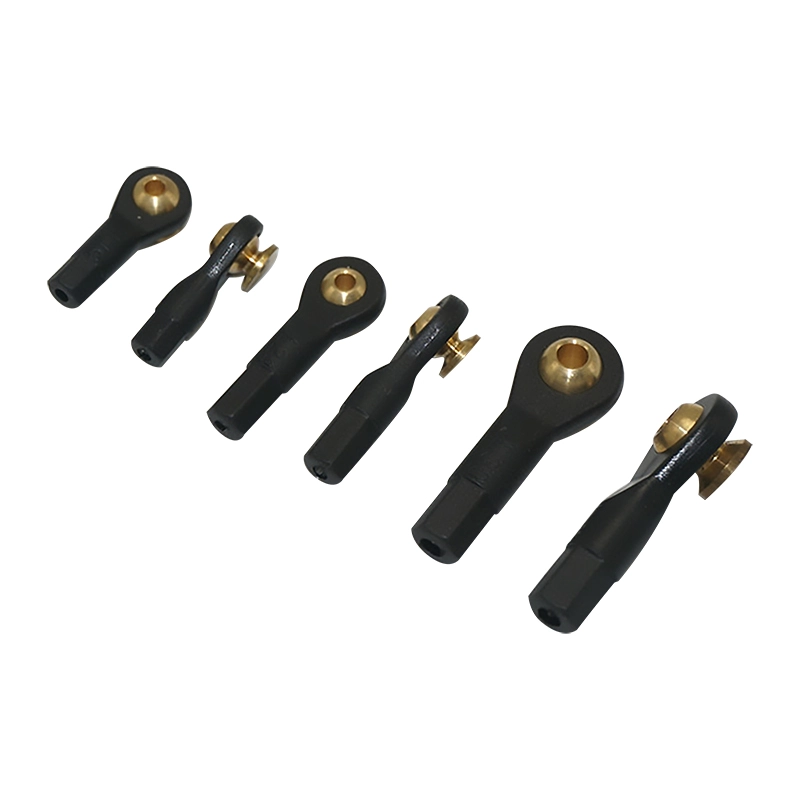
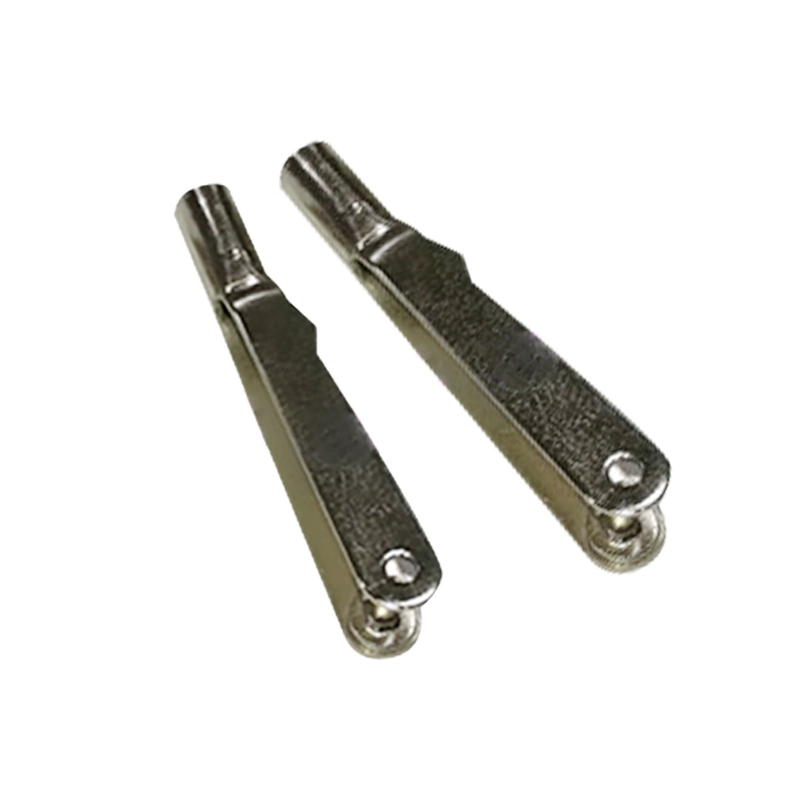
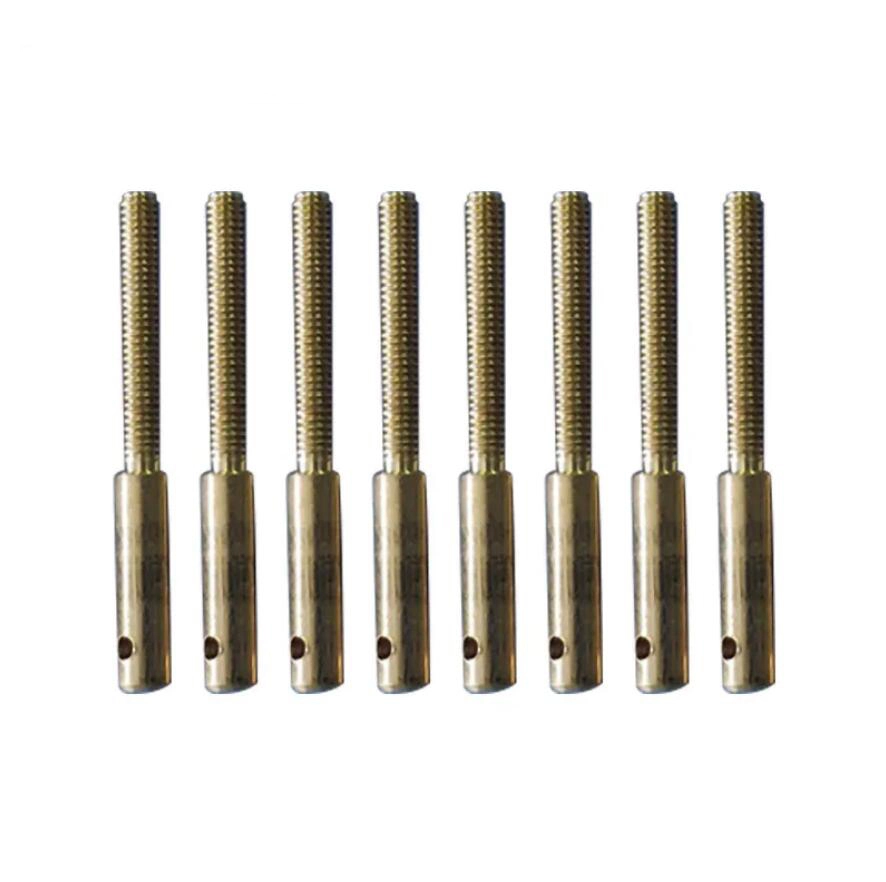
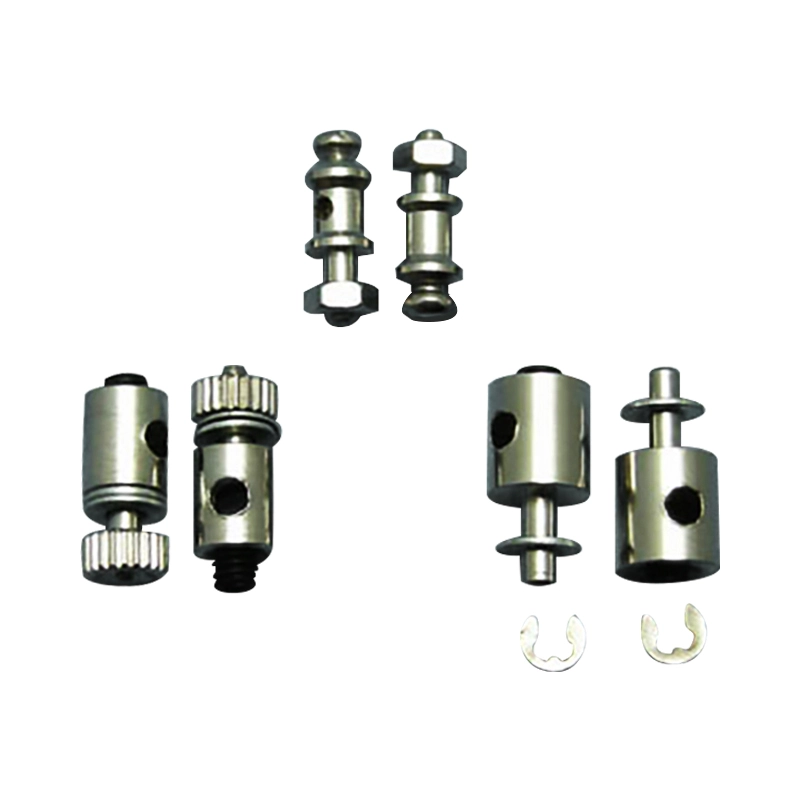
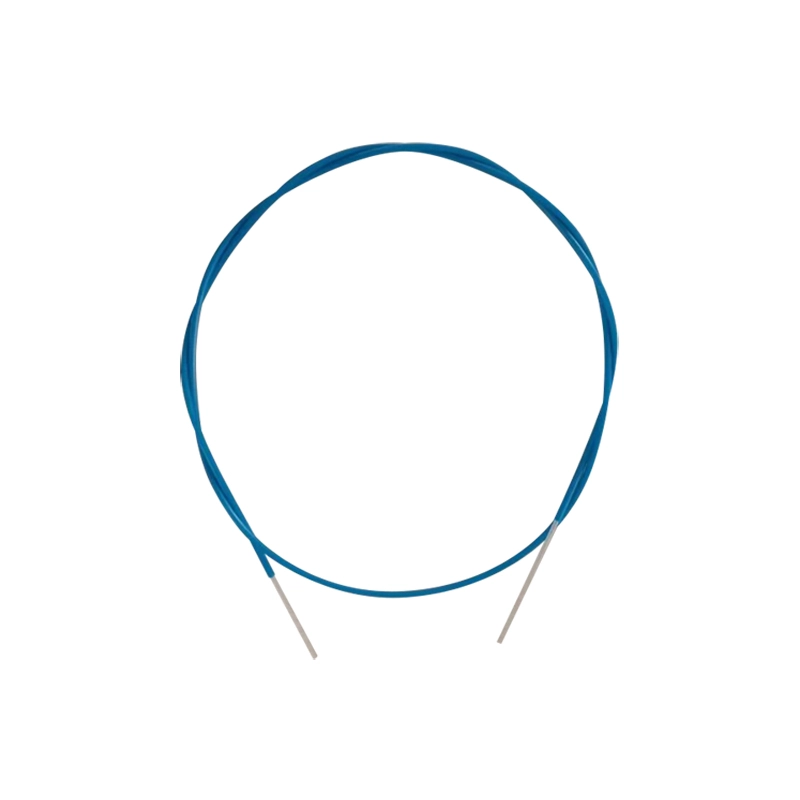
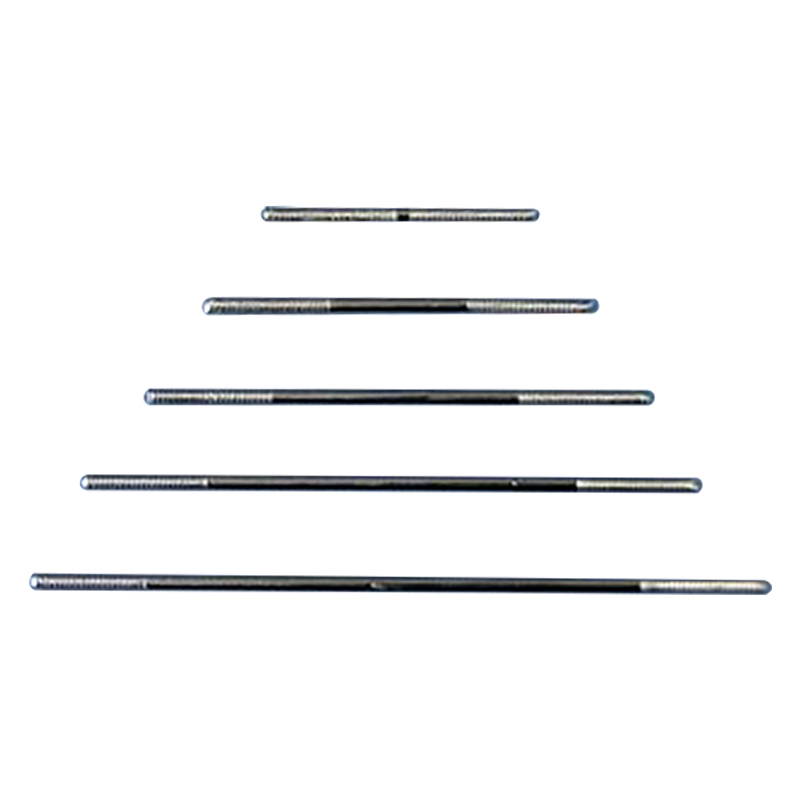
- Make sure push rods are the right length, with solid thread engagement inside each clevis. Double check that aileron and flap rods were not swapped during build.
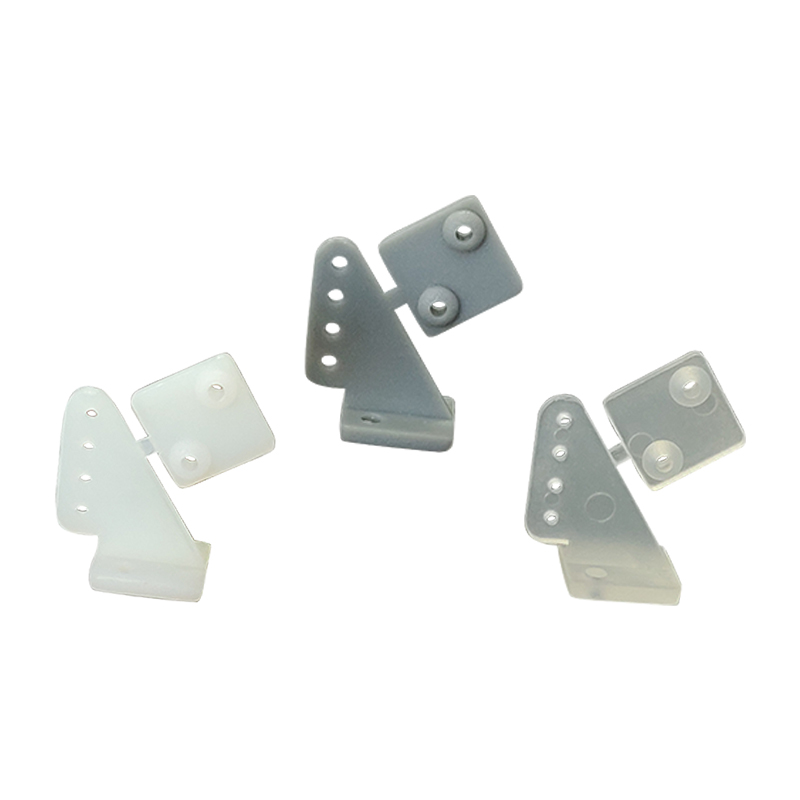
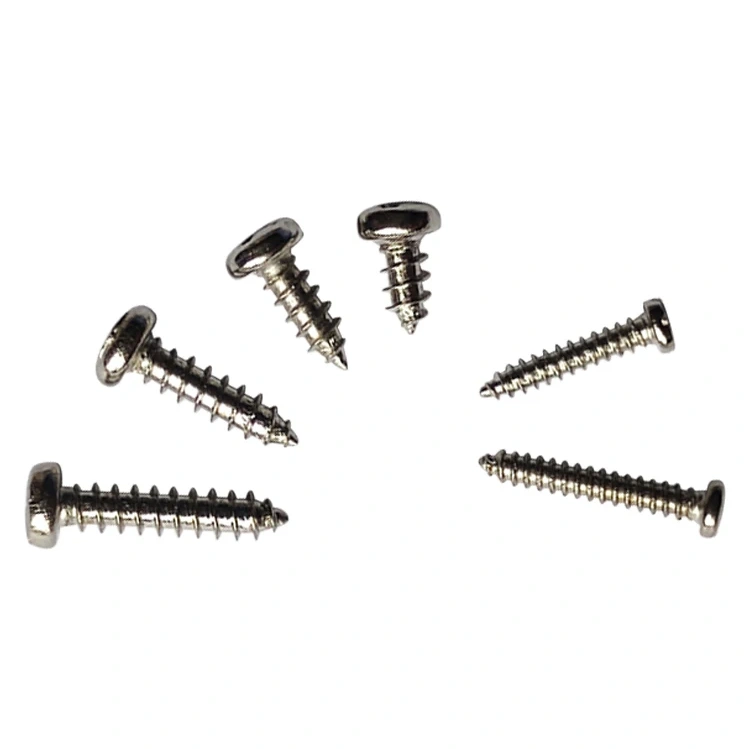
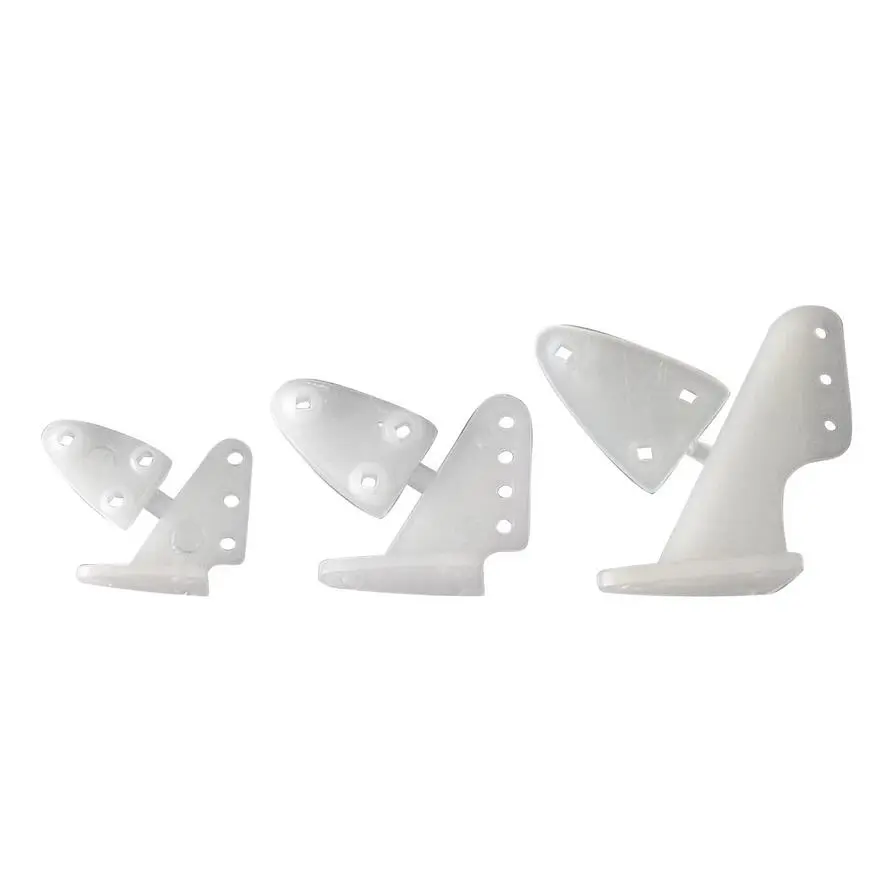
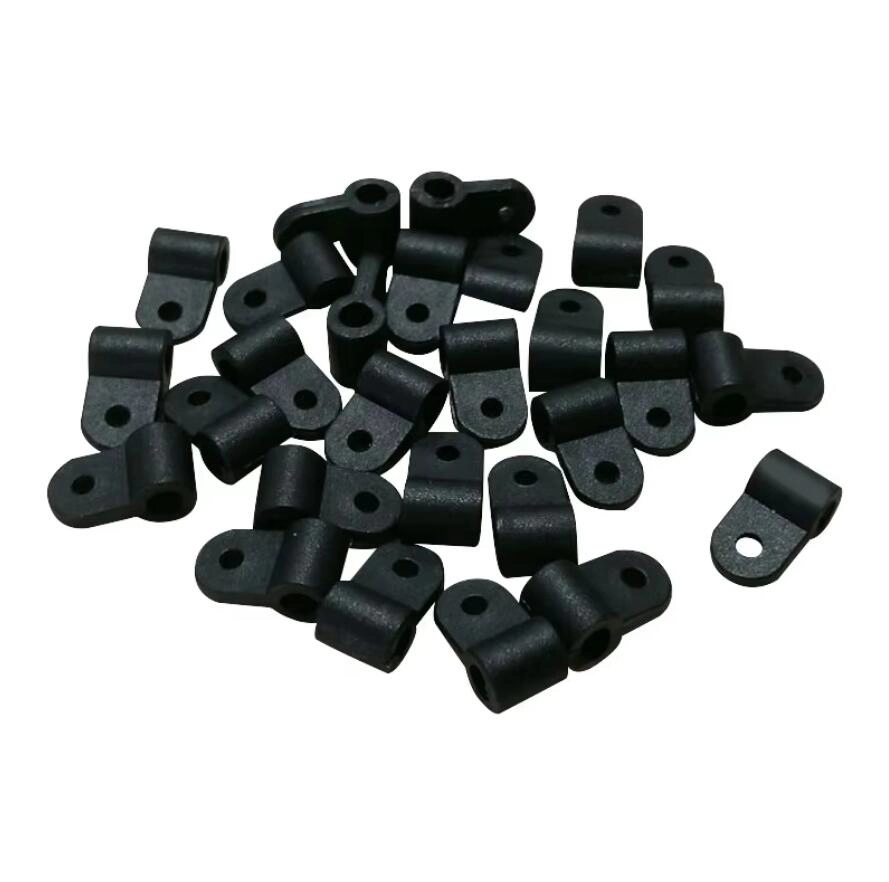
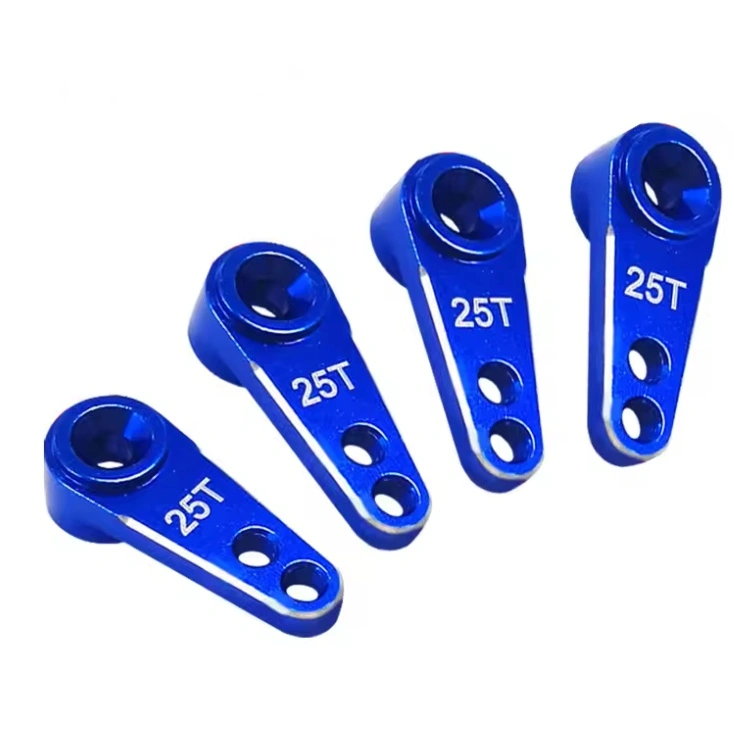
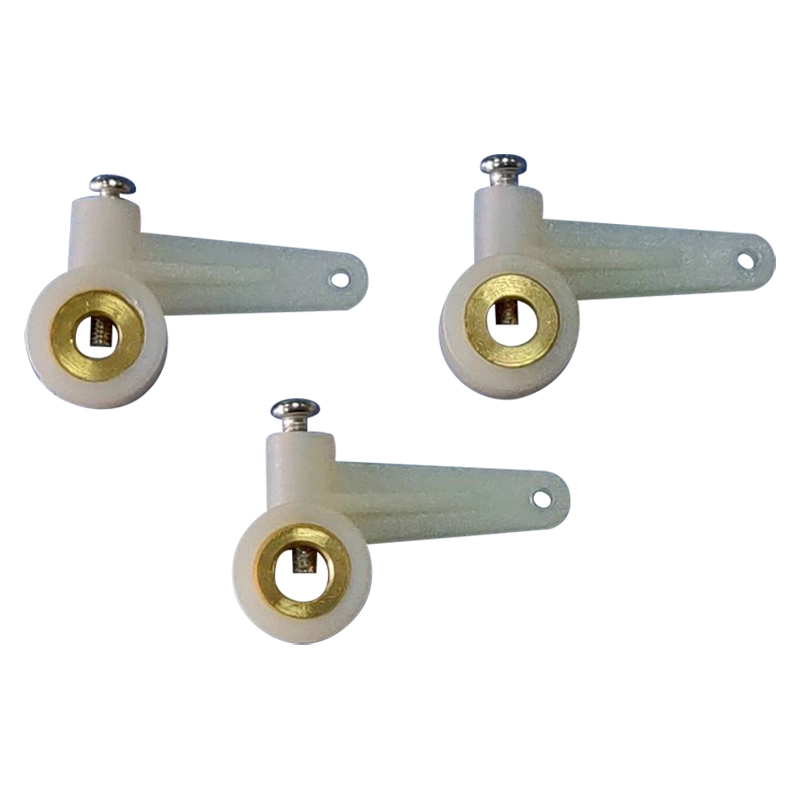
- Inspect every screw, nut, control horn, and servo arm connection for slop or looseness. A loose control horn or clevis mid-flight almost always leads to loss of control.
Control Direction Check
Stand directly behind your aircraft and test each surface with your transmitter.
- Right stick right → right aileron up, left aileron down (right bank)
- Right stick back → elevator up (pitch up)
- Left stick right → rudder moves right (right yaw)
Reversed control surfaces are one of the top causes of maiden flight crashes. If any surface moves the wrong way, reverse the servo channel in your radio settings.
Propeller & Spinner
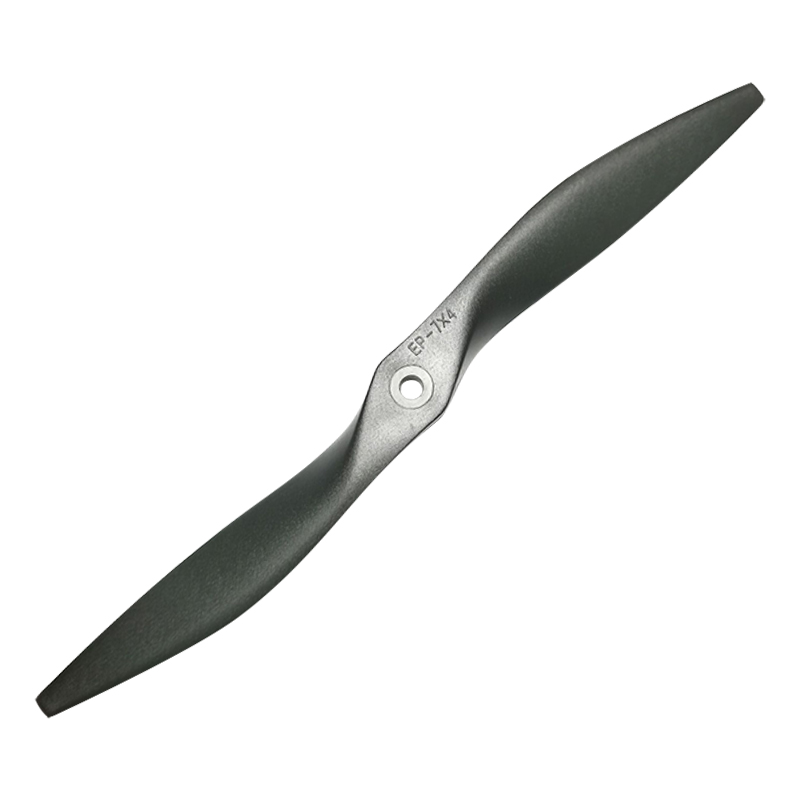
- Check the prop for chips, cracks, or play on the motor shaft.
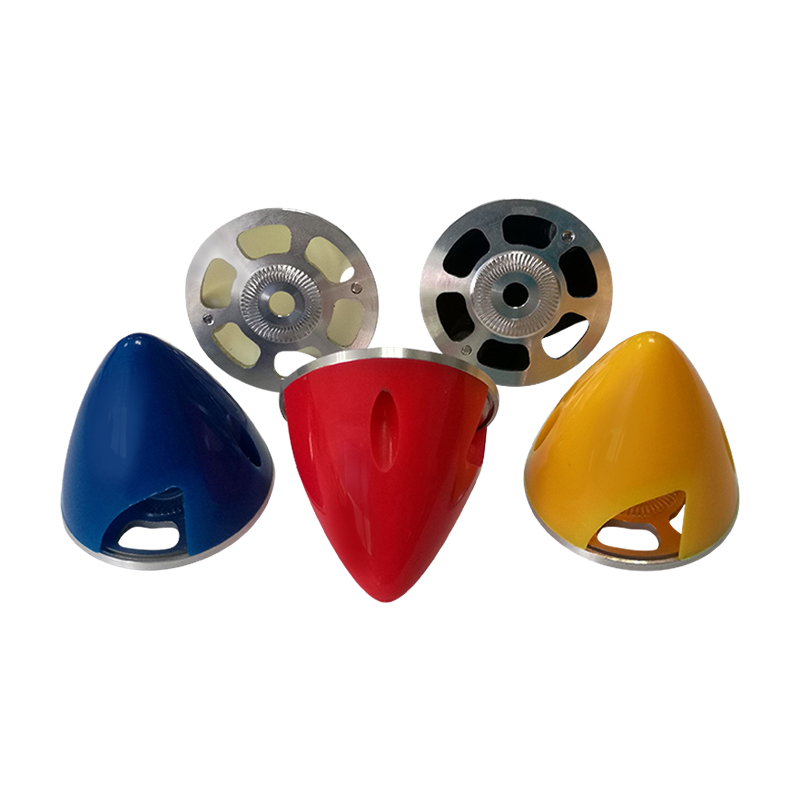
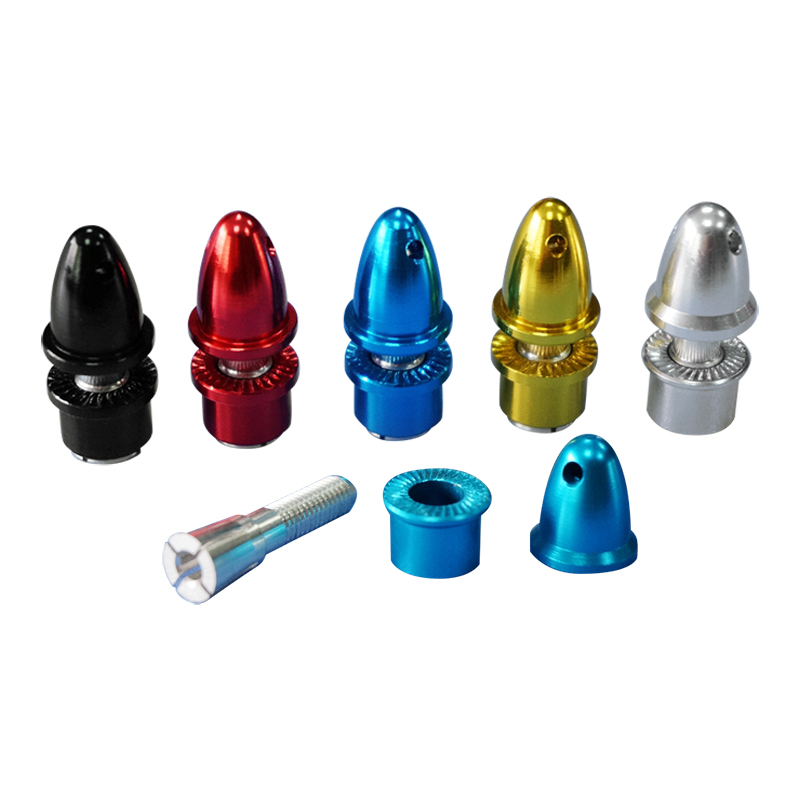
- Confirm the spinner is tight and properly seated.
- An unbalanced prop causes extra vibration that shakes loose screws and wears out hardware over time. Run a quick ground throttle test. Some vibration is normal, but rough, uneven shaking usually means an unbalanced prop or loose motor mount.
EDF Unit (for jet models)
If you fly an EDF jet, add these checks:
- Make sure the fan unit is mounted securely with all screws tight.
- Clear dirt, rocks, and debris from the intake and fan area. Even a small rock sucked in on takeoff can destroy a fan blade.
- Keep servo wires and power leads clear of the intake path.
Servos
Give your servos a quick test before flight. If you have a servo tester, run each servo through full cycles for a minute or two. This helps catch weak or faulty servos before they fail in the air. Check that servo arms are tight and there is no unwanted slop in the linkage.
Radio & Range Check
- Power on your transmitter first, then the aircraft. Test every function — ailerons, elevator, rudder, throttle, flaps, and retracts if fitted.
- Always do a range check before a maiden flight. Walk away from the model and confirm you still have solid control at distance.
Never fly if any function is not working correctly.
Ground Power Test
Have a helper hold the aircraft clear of the prop or EDF thrust path. If you are alone, brace the tail and slowly advance throttle to full power for a brief moment.
- Confirm the motor, ESC, and battery run smoothly.
- Excessive or uneven vibration usually points to an unbalanced prop or loose motor mount. Stop and fix the issue before flight.
Safety note: Never turn off your transmitter while the flight battery is still connected. Always set up throttle fail-safe in your radio first, with the propeller removed for safety.
Center of Gravity (CG)
A wrong CG will make your plane fly poorly or even crash.
- Check your manual for the recommended CG location.
- For low-wing models, balance the plane upside down. For high-wing or mid-wing models, balance it upright.
- When in doubt, a slightly nose-heavy CG is always safer than a tail-heavy one.
For your maiden flight, start at the forward end of the recommended CG range. Adjust back in small 1–2 mm steps on later flights if you want snappier handling.
Flying Field & Safety
- Look around for people, animals, trees, and obstacles.
- Have a basic flight plan, especially for a maiden flight.
- A spotter is highly recommended. They can watch for hazards and help you make safe decisions if something goes wrong, so you can stay focused on flying.
Conclusion
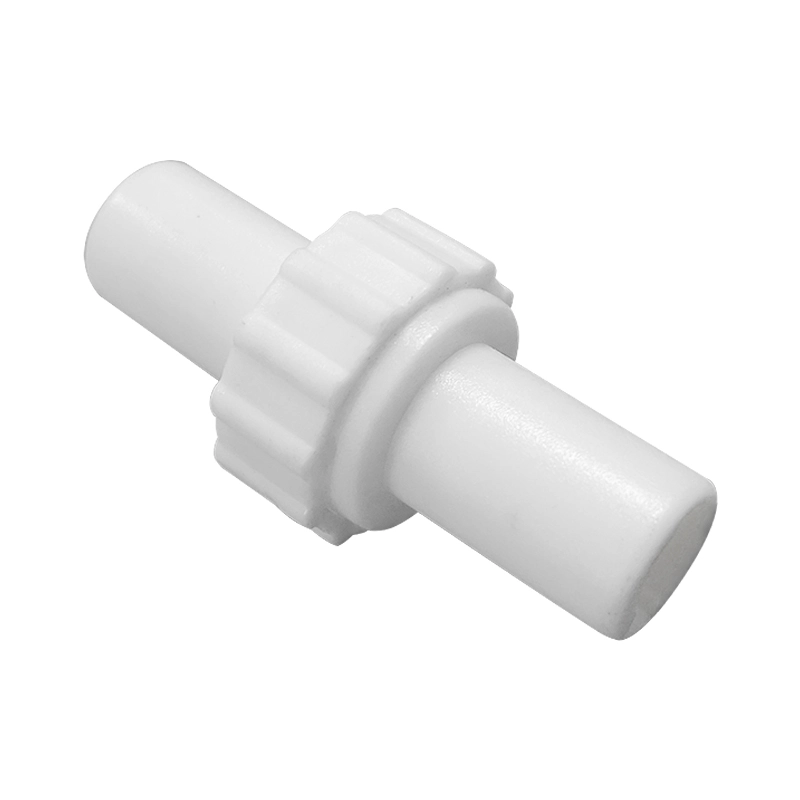
This whole checklist only takes a few minutes, and it will save you from most common crash causes. Worn hinges, loose clevises, and sloppy control horn hardware are easy to miss on a quick glance, but they can ruin a whole flight. If you need replacement hinges, control horns, clevises, push rods, or other airframe hardware to get your model flight-ready, browse our full range of RC model parts across different series.