EN

Introduction: Repeated flexing, vibration, and landing shocks gradually wear plastic RC airplane hinges long before a visible crack appears.
Many pilots judge an RC airplane hinge by whether it still moves. A hinge that swings freely can still be loose, off-center, or close to failure. Plastic hinge pins do not last forever, because every control input bends and releases the material. Understanding how flex fatigue develops in molded plastic hinge pins, why vibration and landing impacts speed up wear, and when replacement is safer than reuse helps pilots make better maintenance decisions.
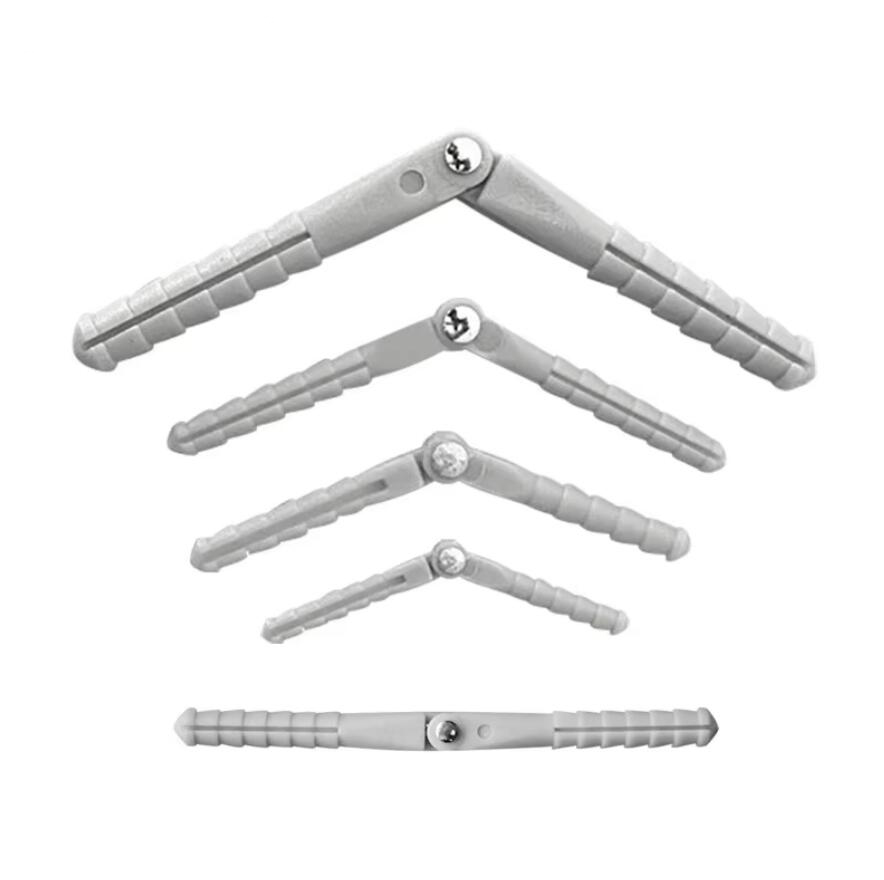
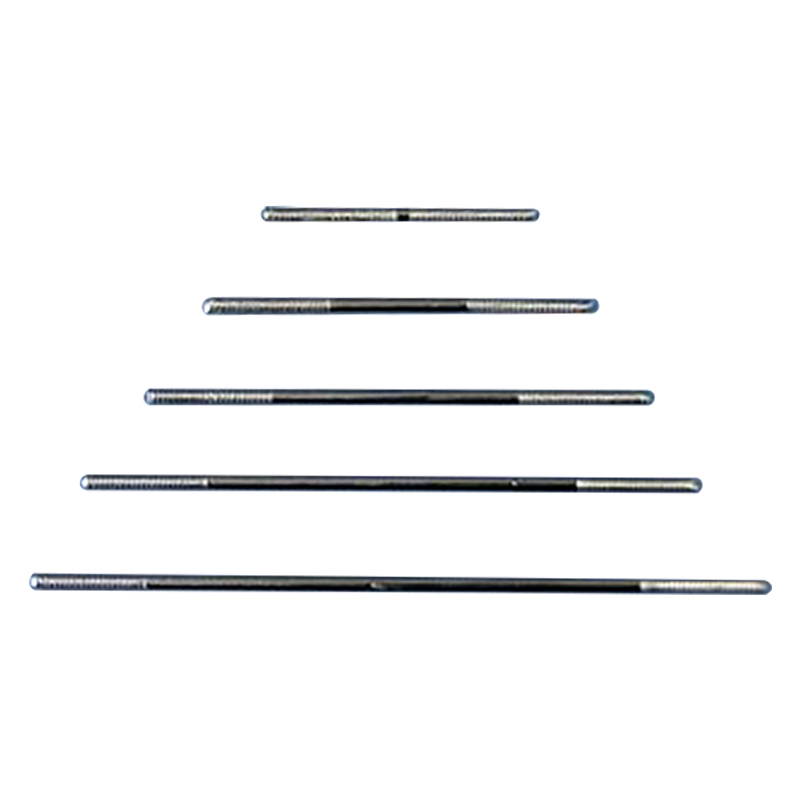
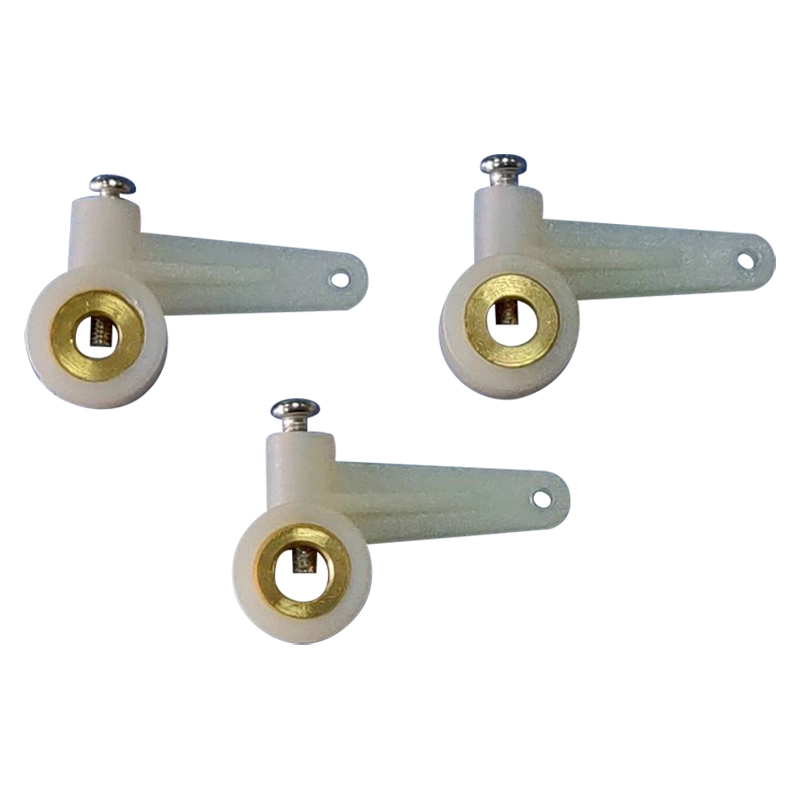
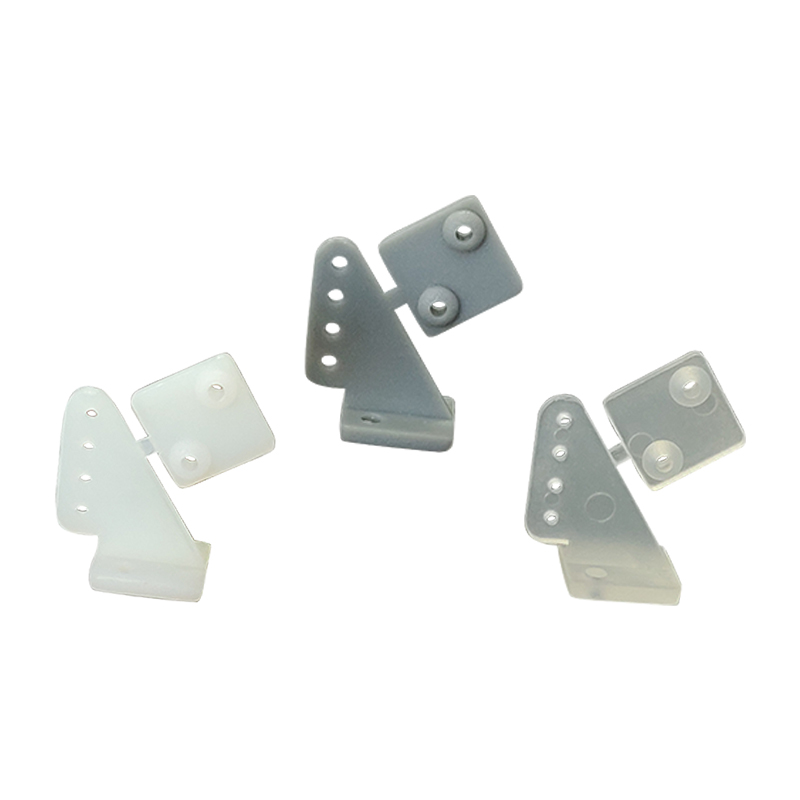
Every time an aileron, elevator, or rudder moves, the hinge pin inside the cylindrical pivot is loaded in bending. The load is small in a model airplane, but it repeats thousands of times across a flying season. Molded plastic does not respond like a spring that always returns to the same shape. It is viscoelastic: it has elastic stiffness, and it also creeps and relaxes under sustained or repeated stress. Over many cycles, polymer chains slide past one another, tiny voids and micro-cracks can form, and the pin can lose some of its original fit. This is flex fatigue, and it can begin while the hinge still feels smooth. Fatigue is not a single event. It is a slow accumulation of small changes. The pivot area may first feel slightly freer, then develop a little side play, and later refuse to hold the control surface at center. In a set of plastic needle hinges sold in 20-piece lots, the D2.0x33 mm, D2.5x43 mm, D2.5x48 mm, and D4.5x67 mm variants all face the same basic process, although airframe size, flying style, and installation quality change how quickly it appears. A large control surface on a fast model loads its hinges differently from a small indoor plane, but the material still has a limited fatigue life.
Vibration and impact are the two load sources that turn ordinary flexing into faster fatigue. A control surface is never perfectly still in flight. Airflow, servo chatter, engine vibration, and small aerodynamic imbalances keep the hinge line moving in tiny amounts. Each of those tiny movements adds cycles to the plastic, even when the pilot is not moving the stick. Landing shocks add a different kind of load: a short, sharp event that can bend the pin, deform the hole, or shift the hinge line. Together, vibration and impact explain why a plastic hinge can wear out even if the pilot never sees a dramatic mid-air failure.
Vibration is a low-amplitude, high-cycle load. The pin and the surrounding plastic rub against each other, and that micro-motion wears the contact surfaces. The fit becomes looser, so the control surface can wobble instead of moving on a tight pivot axis. A loose hinge then creates impact loads each time the surface changes direction, which accelerates the wear. The familiar sign is a hinge that still swings but no longer holds center, or one that makes a faint clicking sound when the surface is moved by hand. At this stage, the plastic body may look fine from the outside, yet the fatigue process is already well advanced.
A hard landing, a cartwheel, or a bump during transport can load the hinge in a direction it was not designed to take. Plastic can absorb some of that energy, but a sharp shock can bend the pin, ovalize the hole, or push the hinge line out of alignment. If the pivot axis shifts, the control surface may bind, sit off-center, or move with uneven resistance. A small crack can also start at a stress concentration near the pivot. The model may still fly, but the hinge is no longer in the same condition it was before the impact, and repeated flexing will continue from a worse starting point.
When a plastic hinge becomes loose, the first instinct is often to tighten something. On a molded plastic hinge pin, there is usually nothing to tighten. The wear has occurred in the plastic itself: the pivot surface has worn, the surrounding material has crept, or the hole has enlarged. Adding glue or squeezing the parts may hold for a short time, but it cannot restore the original fit or the original material strength. A hinge that has lost its center, has visible white stress marks, or moves with a rattling free play has already crossed from normal service into fatigue replacement territory. The right moment to replace an RC airplane hinge is not only when it breaks. It is when the hinge can no longer do its job reliably: holding the control surface on a stable pivot axis with minimal play. Pre-flight checks should include flexing each control surface by hand and comparing left and right sides. A hinge that feels noticeably looser than its opposite, or one that has changed after a hard landing, deserves attention. The AMA safety guidance for model aircraft supports checking structural integrity before flight, and the control link is part of that structure. Plastic hinges are consumable rc airplane parts, so keeping spare hinges in common sizes is practical.
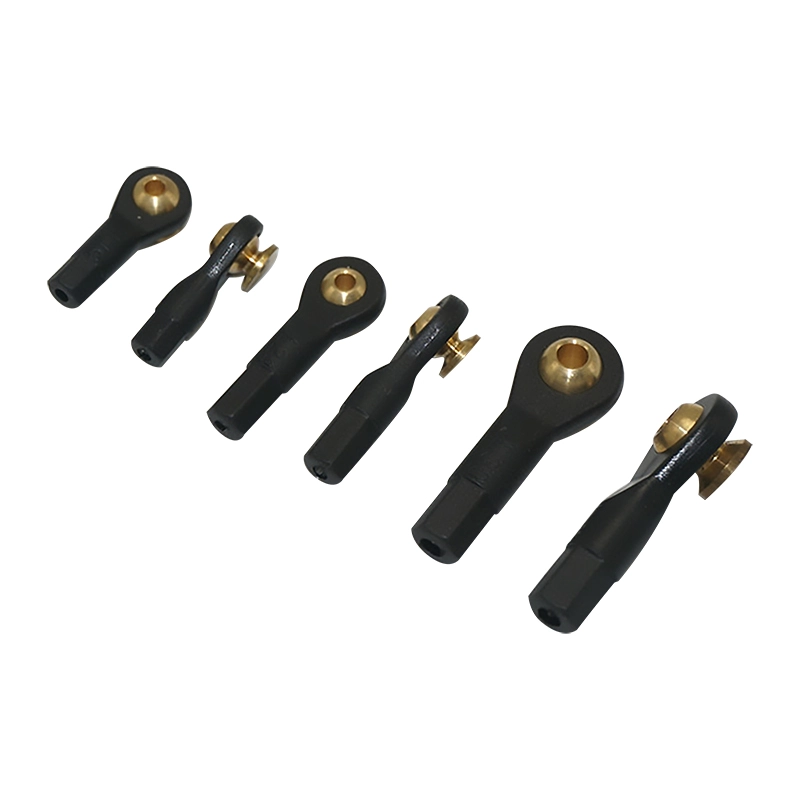
Plastic hinge flex fatigue is a normal part of RC aircraft life. Every flight adds bending cycles, vibration, and occasional impact loads. The plastic pivot can lose its fit, develop internal damage, and change alignment long before a visible break appears. Checking for looseness, off-center movement, and post-impact changes helps pilots decide when a hinge has reached the end of its useful service. Replacement, not tightening, is the practical answer once fatigue has changed the fit. Readers who want to compare common hinge sizes can look at the 20-piece plastic needle hinge set from Compo RC, available in D2.0x33 mm, D2.5x43 mm, D2.5x48 mm, and D4.5x67 mm variants for balsa and PVC foam.
A:Repeated flights add many small bending cycles to the hinge pin. Molded plastic is viscoelastic, so it can gradually creep, relax, and develop micro-cracks even when the movement looks minor. Vibration and control surface flutter add more cycles, and a hard landing can add a sudden overload. The hinge often weakens internally before it breaks, which is why a smooth-looking hinge can fail after enough flights.
A:No. A hinge can still swing smoothly while the fit has already loosened. The plastic around the pivot may have worn or crept, creating side play that is hard to see during a quick check. If the control surface no longer holds center, feels loose compared with the opposite side, or clicks during hand movement, the hinge deserves closer inspection even when the pivot action feels smooth.
A:Replace an RC airplane hinge when it has noticeable free play, will not hold the control surface at center, shows white stress marks or small cracks, or has changed after a hard landing. Tightening or adding glue cannot restore worn plastic. If a hinge feels looser than its opposite side or no longer keeps a stable pivot axis, it has reached the end of its reliable service and should be treated as a consumable part.
Plastics explained • Plastics Europe
CompOrc Technology Solutions product listing (20 Pcs Plastic Needle Hinges)
Copyright © 2005-2026 MySite Ltd. All Rights Reserved. POWERED BY UEESHOP